Sources for this article
Terrier group · United States
Rat Terrier
Also called Rattie, American Rat Terrier
A compact American farm terrier that comes in two sizes and handles barn work and sofa duty equally well.
Rat Terriers were bred on American farms to keep barns free of rats, and they come in miniature and standard sizes. They are clever, playful and affectionate, with a wash-and-go coat and a little less stubbornness than many terriers.
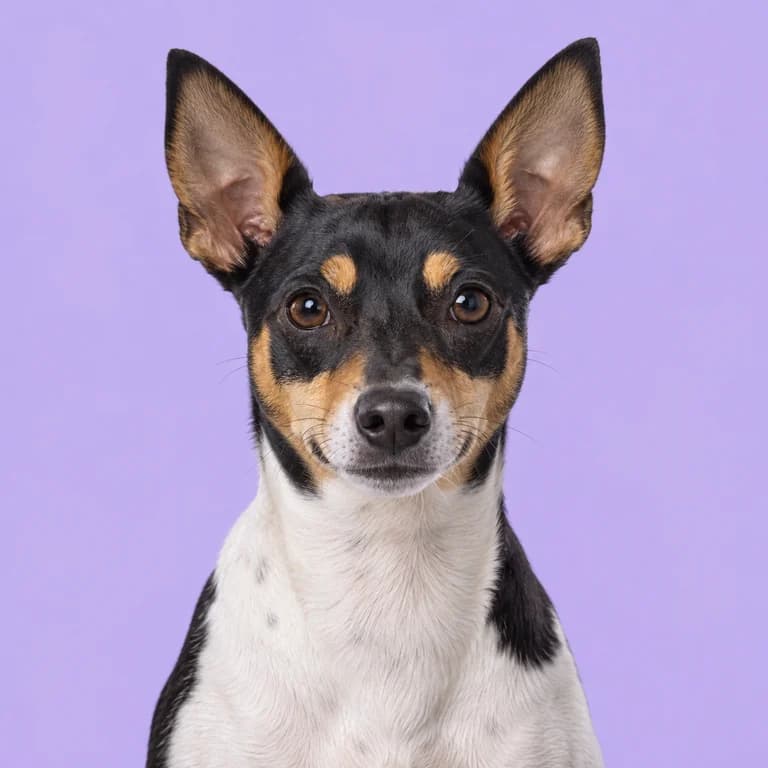
Original AI-generated breed illustration
Weight
4 to 11 kg
9 to 24 lb
Height
25 to 46 cm
at the shoulder
Life expectancy
12 to 18 yrs
Activity estimate
90 to 120 min
editorial daily planning range
Adult-size estimate
12 months
approximate model input
Life with a Rat Terrier
Size is the first decision you make with a Rat Terrier, because the breed comes in two. Miniatures stand 25 to 33 cm (10 to 13 in) and often weigh 4.5 to 7 kg (10 to 15 lb); standards stand over 33 cm up to 46 cm (18 in) and usually weigh 7 to 11 kg (15 to 25 lb). Personality is much the same in both, but a miniature fits a flat and a lap more easily, while a standard makes the better running and hiking partner.
The breed took shape on farms in the American Midwest and South in the late 1800s and early 1900s, when working terriers brought over by British immigrants, especially Smooth Fox Terriers and Manchester Terriers, were crossed with local feists. Farmers in different regions added Whippet or Italian Greyhound for speed and Beagle for scenting ability. The result was a versatile farm dog that could clear a barn of rats, hunt squirrels and keep watch over the yard.
Rat Terriers are often linked to President Theodore Roosevelt, whose terriers were said to have dealt with rats in the White House, although historians disagree about exactly what type of dogs they were. Numbers fell in the mid-20th century as poisons replaced farm dogs, and enthusiasts kept the breed going until kennel club recognition followed decades later.
In the home, Ratties are playful, affectionate and a little clownish, with a terrier's alertness and prey drive but more willingness to cooperate than many of their cousins. Plenty of them are as happy burrowing under a blanket on the sofa as running across a field.
What stands out
Puppy growth
Rat Terrier puppies reach adult size at around 10 to 12 months, with miniatures finishing slightly earlier than standards. Adult size is not always predictable from the parents, especially when miniature and standard lines have been mixed, so ask the breeder what range to expect and see the adult dogs if you can.
Read the full puppy growth guideIllustrative model, not observed breed data or a healthy-weight standard. Use actual measurements and veterinary advice to assess growth.
A great match for
- active families
- flats and small homes, especially for miniatures
- owners who want a trainable terrier
- dog sports such as agility and barn hunt
- farm and rural homes
Think twice if
- strong prey drive toward small pets
- feels the cold quickly
- can be an escape artist
- alert barking at noises
- needs daily mental stimulation
Personality and needs at a glance
Living together
Good with children
Good with other dogs
Open with strangers
Apartment friendly
Copes with alone time
Energy and character
Energy level
Playfulness
Easy to train
Barking
5 means very vocal
Care and climate
Grooming needs
Shedding
Drooling
Handles cold
Handles heat
How much a Rat Terrier eats
Illustrative calculations for neutered adults at midpoint breed weights, with food at 370 kcal per 100 g and 100 g per cup. These are not measured breed requirements. Use actual weight, the food label and veterinary body-condition advice.
| Dog | Weight | Calories | Dry food |
|---|---|---|---|
| Female, relaxed lifestyle | 7 kg | 420 kcal | 115 g (1.3 cups) |
| Female, typical pet | 7 kg | 480 kcal | 130 g (1.3 cups) |
| Male, typical pet | 8 kg | 530 kcal | 145 g (1.5 cups) |
| Male, very active | 8 kg | 670 kcal | 180 g (1.8 cups) |
Care guides for the Rat Terrier
Things owners are often surprised by
- 1Two recognized sizes: miniature at 25 to 33 cm (10 to 13 in) and standard at over 33 up to 46 cm (13 to 18 in).
- 2Farmers blended Smooth Fox Terrier and Manchester Terrier with Whippet, Italian Greyhound and Beagle.
- 3A hairless line that appeared in the 1970s became a separate breed, the American Hairless Terrier.
- 4The AKC admitted the Rat Terrier to its Terrier Group in 2013.
- 5Lifespans of 15 years or more are common, with some dogs reaching 18.
Rat Terrier questions
What is the difference between a Rat Terrier and a Jack Russell Terrier?
Both are small, energetic working terriers, but they come from different countries and jobs. The Rat Terrier is an American farm dog with a smooth coat, often upright or tipped ears, and sighthound blood that gives it a sleeker build. The Jack Russell is English, bred to work foxes, and can have a rough or broken coat. Ratties are generally a little more biddable.
Are Rat Terriers good apartment dogs?
Miniatures in particular can do very well in apartments if they get daily exercise and mental work. They are clean, compact and usually not heavy barkers once settled, though they will alert to noises in the corridor. Standards cope too, but need more outdoor time. Either size struggles if left alone for long workdays without company or a midday break.
What is a Decker Rat Terrier?
A Decker is a larger, heavier line of Rat Terrier developed by breeder Milton Decker for hunting bigger game, often with upright ears and more substance than a standard. Deckers are usually at the top of the standard size range or above it. Some registries record them, but major kennel clubs do not recognize them as a separate breed.
Do Rat Terriers get cold easily?
Yes. The short, single-layered feel of their coat and their lean build mean Rat Terriers lose heat quickly, and many shiver on cold, damp days. A well-fitting jumper or waterproof coat, shorter walks in freezing weather and a warm bed away from drafts make a big difference. Most love burrowing under blankets, which is a helpful clue about their comfort level.
Do Rat Terriers shed?
They do, more than their short coat suggests. Expect a steady scattering of short hairs all year and heavier shedding in spring and autumn. The hairs are fine and can weave into fabric, so a rubber glove works well for removing them from furniture. A weekly brush outdoors cuts the amount inside noticeably. They are not a good choice for people seeking a low-shedding dog.
Popular answers for owners
- How much to feedHow should I adjust portions for a working dog through the seasons?
- Exercise and playHow do I teach my dog to settle down after an exciting play session?
- Puppy feeding and growthWhy is my puppy gaining weight faster than its littermates?
- How much to feedHow do I weigh my dog accurately at home?
- How much to feedHow much should I feed a medium sized dog?
- Grooming and coatWhen does a puppy's coat change to an adult coat?
Breeds you might compare
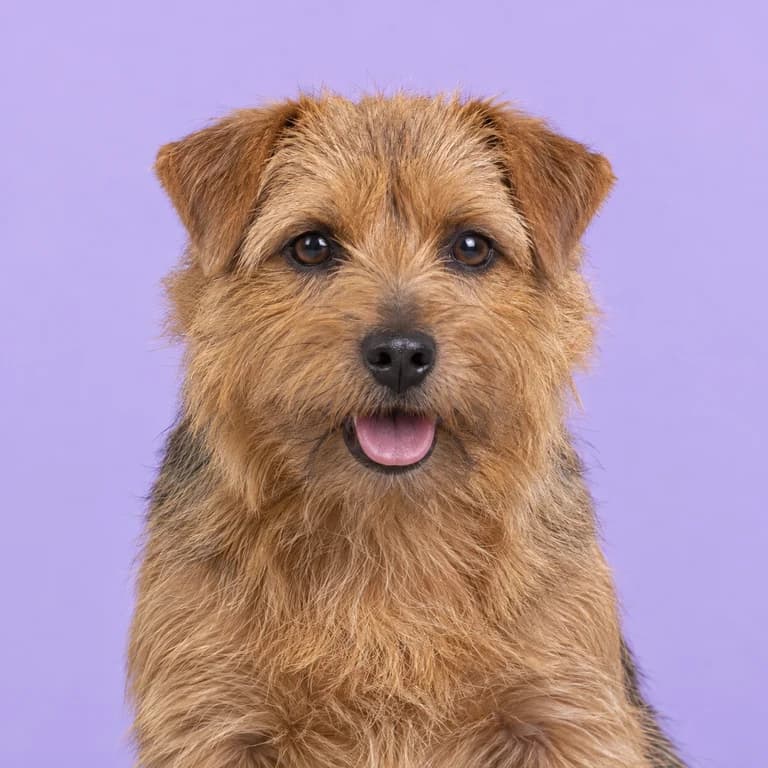
Terrier group
Norfolk Terrier
5 to 6 kg · 12 to 15 years
One of the smallest working terriers, low and sturdy, with folded ears and a notably sociable nature.
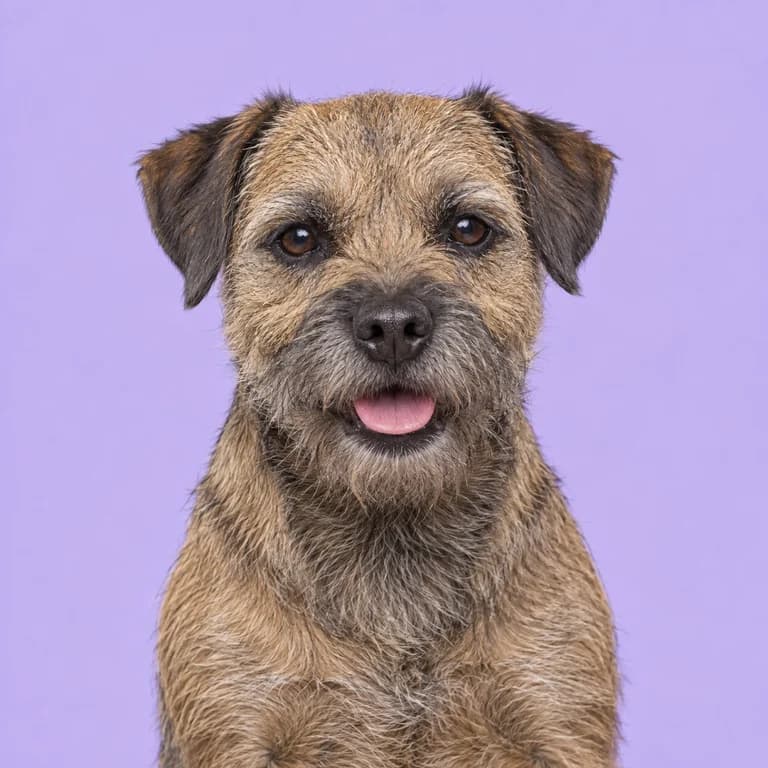
Terrier group
Border Terrier
5 to 7 kg · 12 to 15 years
A terrier with legs long enough to keep up with a hunt on horseback and stamina to spare afterwards.
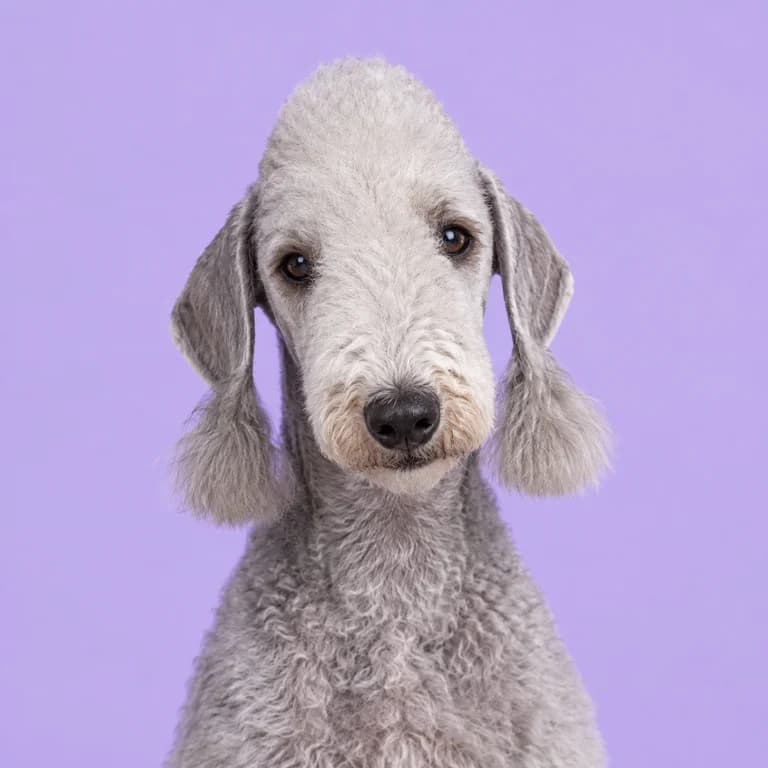
Terrier group
Bedlington Terrier
8 to 10 kg · 12 to 16 years
A terrier that looks like a lamb, runs like a whippet and needs a scissor-shaped trim every few weeks.
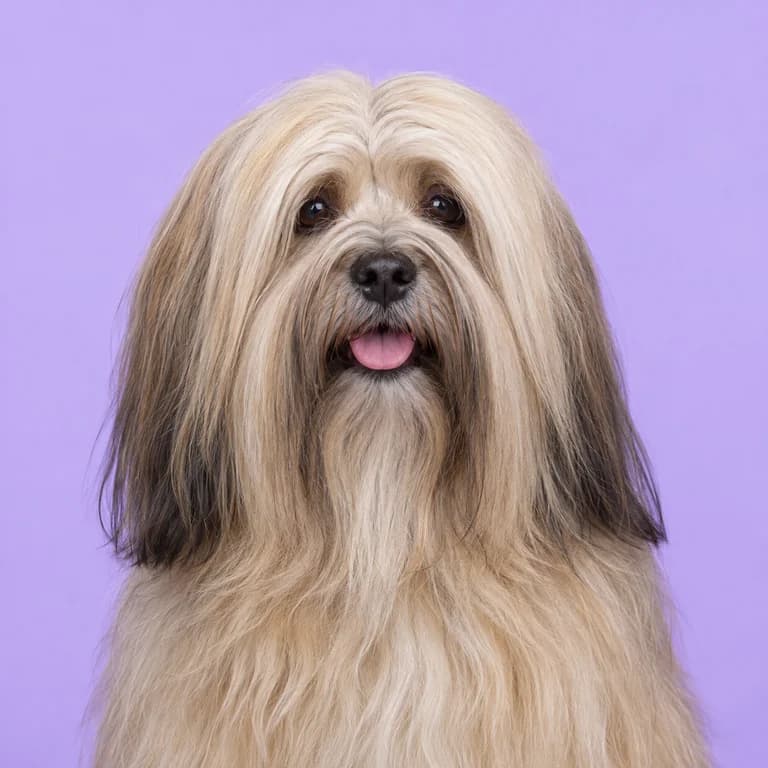
Non-sporting group
Lhasa Apso
5 to 8 kg · 12 to 16 years
A small Tibetan sentinel with a floor-length coat and a surprisingly serious sense of its own importance.
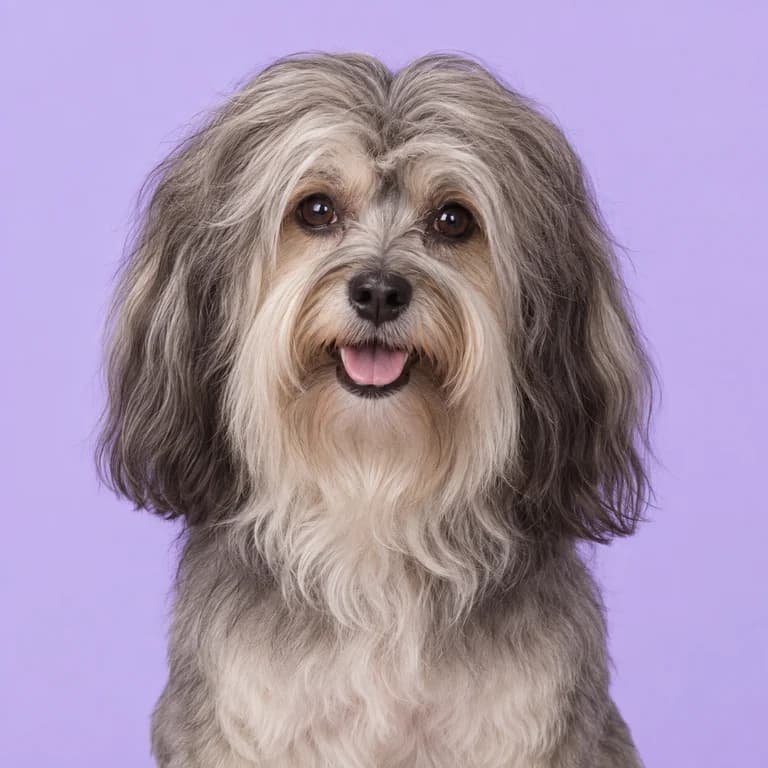
Non-sporting group
Löwchen
4 to 8 kg · 13 to 15 years
A small, sturdy companion with a lion haircut, a lively mind and a history of nearly vanishing.

Toy group
Shih Tzu
4 to 7 kg · 10 to 16 years
A palace lapdog with a lion's name, a topknot and a coat that grows much like human hair.