Working group · England
Bullmastiff
Also called Gamekeeper's Night Dog
Bred to silently pin poachers in the dark, today a gentle, heavy guardian that prefers the sofa.
The Bullmastiff was developed in 19th-century England to help gamekeepers catch poachers on large estates. It is calm, loyal and often surprisingly soft with its family, but it is also very heavy, strong-willed and wary of strangers, which calls for early training and an owner who can handle its size.
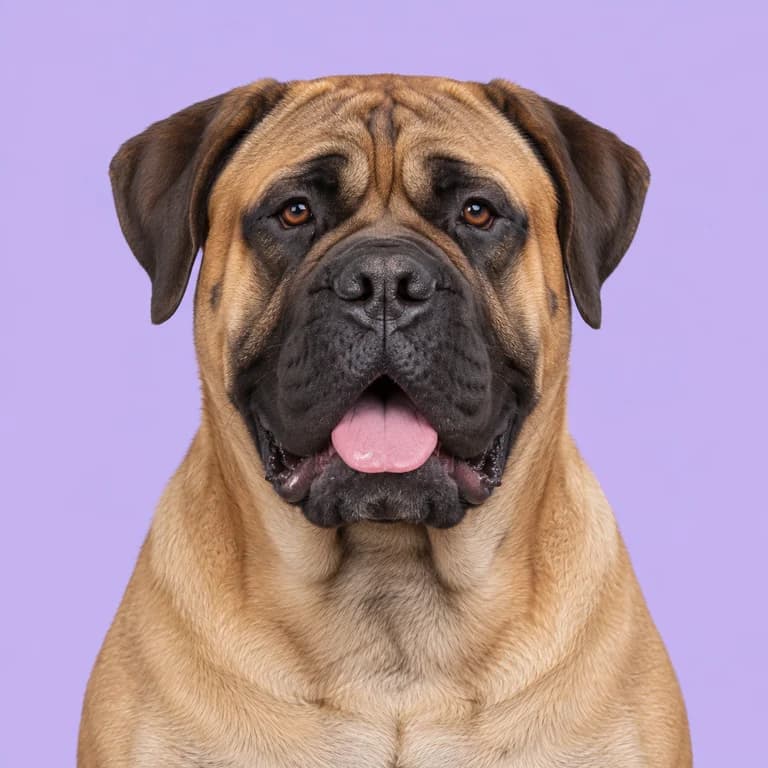
Original AI-generated breed illustration
Weight
45 to 59 kg
99 to 130 lb
Height
61 to 69 cm
at the shoulder
Life expectancy
7 to 9 yrs
Activity estimate
30 to 60 min
editorial daily planning range
Adult-size estimate
30 months
approximate model input
Life with a Bullmastiff
In the 1800s, English estates lost large numbers of deer and pheasants to poachers, and the penalties for poaching were harsh enough that some intruders fought back. Gamekeepers wanted a dog that could lie silent, cover a short distance at speed, and knock a man down and hold him without mauling. Crossing the powerful Mastiff with the faster, more tenacious Bulldog of the day gave them exactly that, and the dog became known as the gamekeeper's night dog.
Those roots still show. Bullmastiffs tend to be quiet, watchful and slow to bark, preferring to place themselves calmly between their family and anything suspicious. They do not go looking for trouble, but they take guarding seriously and will not simply welcome everyone who walks through the gate.
With their own people, most are affectionate, clownish in short bursts, and determined to lean on or sit on you. They are often patient with the family's children, although one swing of that tail can knock a toddler flat. Same-sex dog aggression appears in some individuals, so careful introductions and good early socialization matter.
Daily life with an adult is calmer than you might expect from a working breed. A grown Bullmastiff sleeps much of the day and is content with moderate walks. The real commitments are managing sheer weight, drool, heat sensitivity and a lifespan that is shorter than most families would like.
A great match for
- experienced owners with calm households
- homes wanting a quiet, watchful guardian
- families with older children
- people who prefer moderate walks to long runs
Think twice if
- short lifespan of around 7 to 9 years
- poor heat tolerance
- drool and sheer weight to manage
- can be wary of strangers and other dogs
Personality and needs at a glance
Living together
Good with children
Good with other dogs
Open with strangers
Apartment friendly
Copes with alone time
Energy and character
Energy level
Playfulness
Easy to train
Barking
5 means very vocal
Care and climate
Grooming needs
Shedding
Drooling
Handles cold
Handles heat
How much a Bullmastiff eats
Illustrative calculations for neutered adults at midpoint breed weights, with food at 370 kcal per 100 g and 100 g per cup. These are not measured breed requirements. Use actual weight, the food label and veterinary body-condition advice.
| Dog | Weight | Calories | Dry food |
|---|---|---|---|
| Female, relaxed lifestyle | 50 kg | 1830 kcal | 495 g (5 cups) |
| Female, typical pet | 50 kg | 2090 kcal | 565 g (5.8 cups) |
| Male, typical pet | 55 kg | 2250 kcal | 605 g (6 cups) |
| Male, very active | 55 kg | 2810 kcal | 760 g (7.5 cups) |
Care guides for the Bullmastiff
Things owners are often surprised by
- 1Usually described as roughly 60% Mastiff and 40% Bulldog in origin
- 2Bred to knock down and hold intruders rather than bite hard
- 3Dark brindle coats were favored historically because they vanished into the night
- 4Chest width and muscle often keep developing until about 2.5 to 3 years
- 5Typical lifespan is short, at around 7 to 9 years
Bullmastiff questions
Is a Bullmastiff a good guard dog?
It was designed for exactly that job. Most Bullmastiffs are naturally protective and will position themselves between their family and a stranger, relying on presence rather than barking. That instinct needs shaping with socialization and training, so the dog learns to accept invited guests and to settle when you signal that everything is fine.
Do Bullmastiffs drool a lot?
They drool moderately: more than many breeds, less than some giants with very loose lips. Expect strings of saliva after drinking, eating, excitement or hot weather. Keeping a cloth handy, wiping the mouth after meals and putting a washable mat under the water bowl keeps it under control for most households.
Why do Bullmastiffs have such short lives?
Very large breeds tend to age faster than small ones, and the Bullmastiff also carries risks such as bloat and some cancers. The typical lifespan of about 7 to 9 years reflects that. A puppy from health-tested parents, a lean body throughout life and regular vet checks give the best chance of a long, comfortable life.
Can a Bullmastiff live in an apartment?
Surprisingly often, as long as there is a lift or only a few stairs and walks happen every day. Adults are calm indoors and do not need much space to run. Stairs are the main issue for a growing puppy and for an older, stiff dog, and carrying a 50 kg dog down several floors is not realistic.
What is the difference between a Bullmastiff and a Mastiff?
The English Mastiff is bigger, often 70 kg or more, with a longer body and a slower pace. The Bullmastiff is shorter, more compact and more agile, reflecting the Bulldog in its ancestry. Both are calm and protective, but Bullmastiffs tend to be a touch more active and more reserved with strangers.
Popular answers for owners
- How much to feedShould I adjust my dog's food as it moves from young adult to middle age?
- How much to feedHow much should I feed a dog with a very slow metabolism?
- Grooming and coatWhy is my puppy's coat changing color?
- Puppy feeding and growthWhy has my puppy's growth slowed down?
- Grooming and coatHow do I clean and care for my dog grooming tools?
- Bowls and feeding gearDoes bowl placement affect how fast a dog eats?
Breeds you might compare
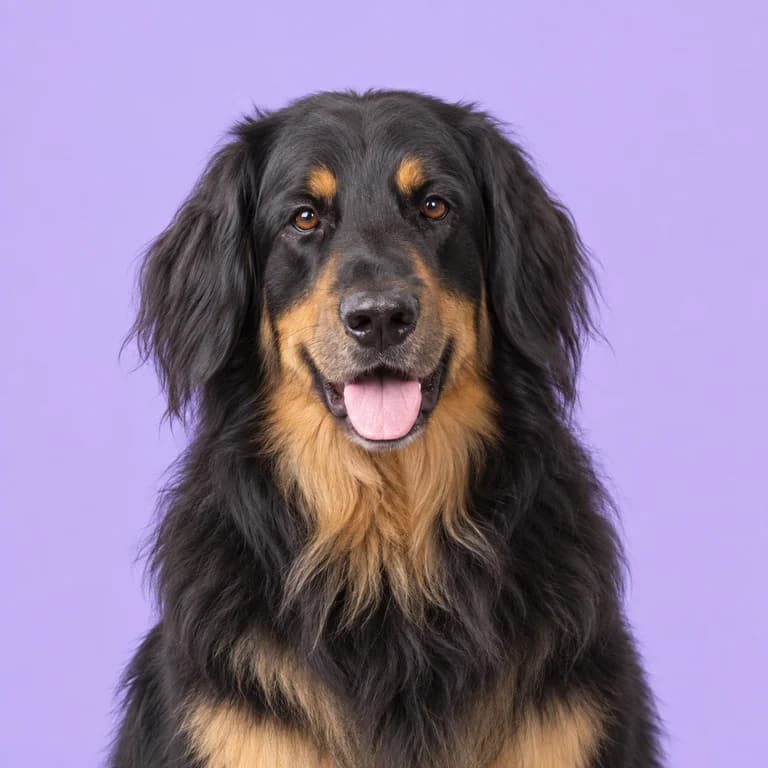
Working group
Hovawart
25 to 40 kg · 10 to 14 years
A medieval farm guardian rebuilt in the 20th century, loyal to its household and slow to hand out trust.
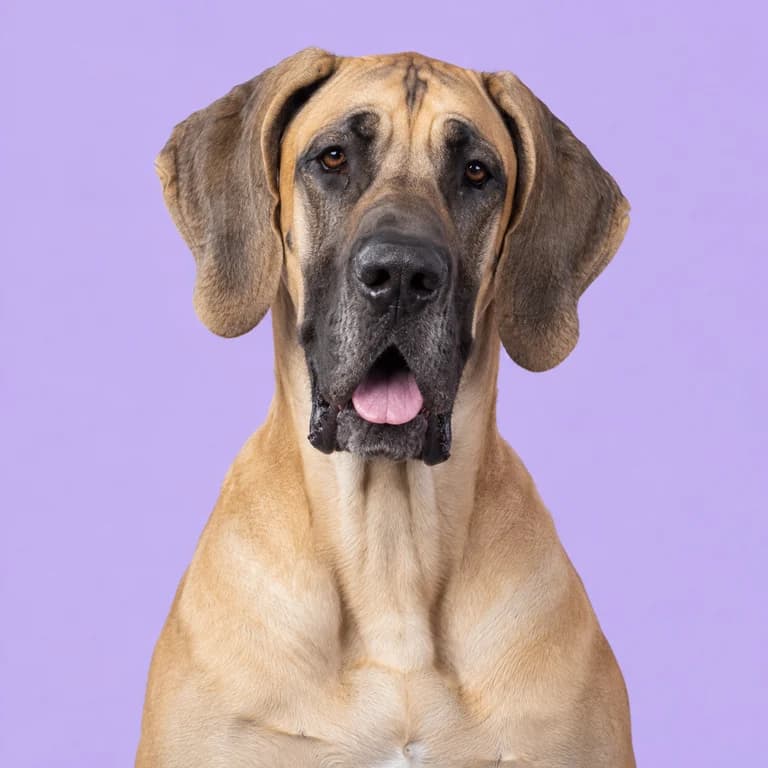
Working group
Great Dane
50 to 79 kg · 7 to 10 years
A dog the height of a small pony that would rather lean on you than guard anything.
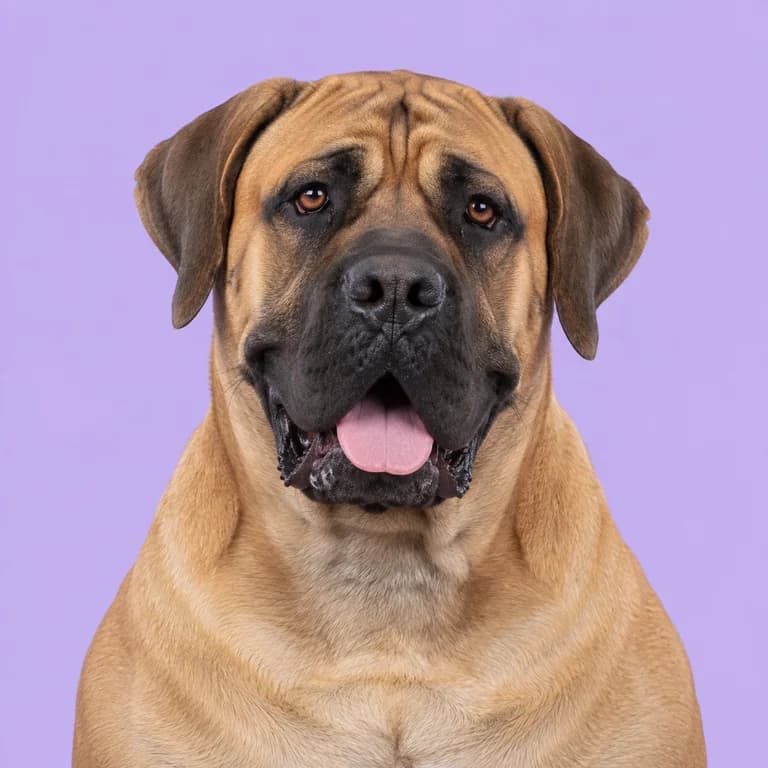
Working group
Boerboel
55 to 90 kg · 9 to 11 years
A South African farm guardian built to face down leopards, calm at home but serious about its territory.
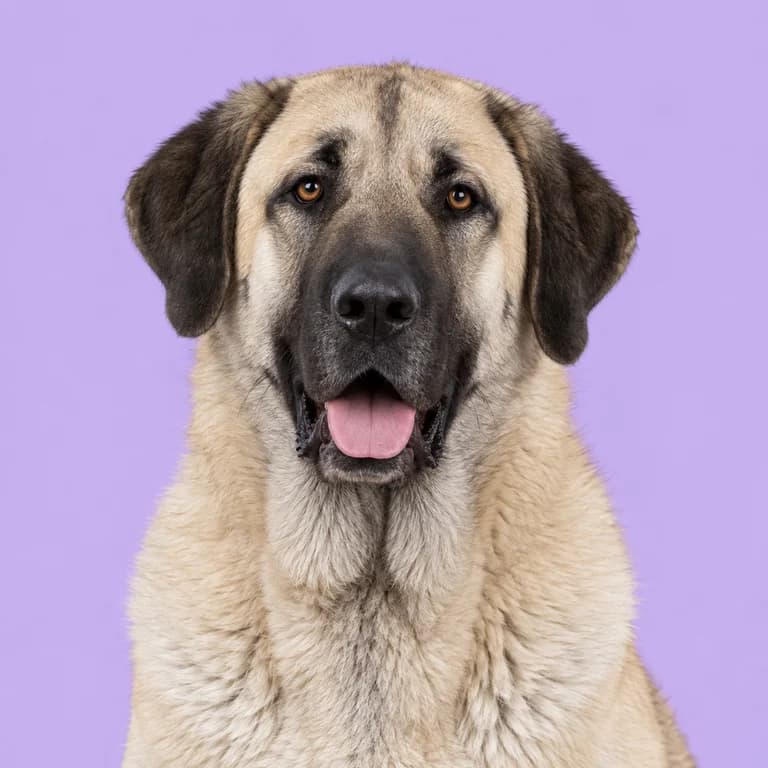
Working group
Anatolian Shepherd
40 to 65 kg · 11 to 13 years
An ancient Turkish flock guardian built for heat, distance and decisions, and quite happy to make them without you.
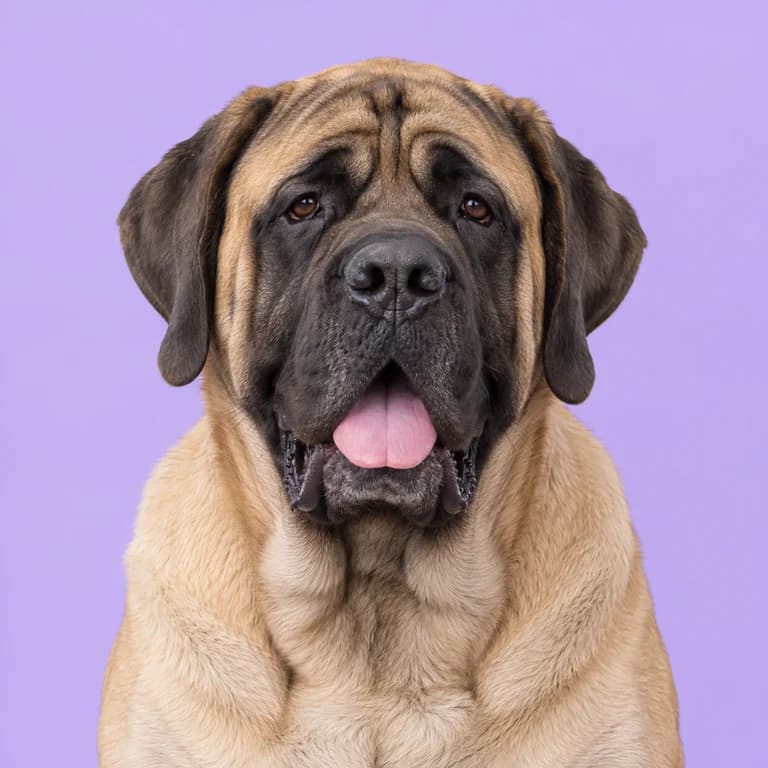
Working group
English Mastiff
54 to 100 kg · 6 to 10 years
Among the heaviest dogs in the world, the Mastiff is a gentle guard whose size shapes every decision you make.
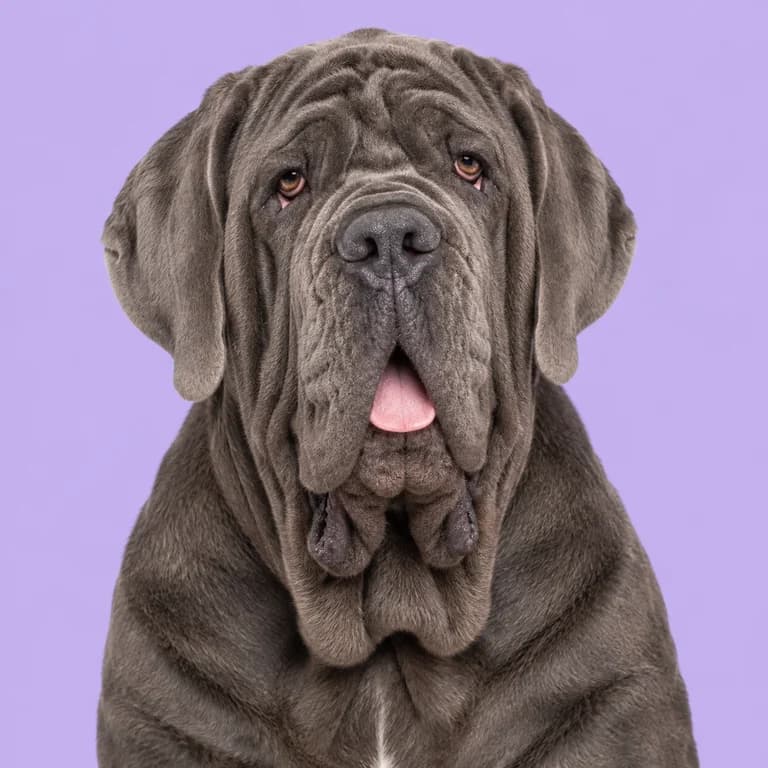
Working group
Neapolitan Mastiff
50 to 70 kg · 7 to 9 years
A slow-moving mountain of wrinkles from southern Italy whose sheer bulk is its main line of defense.