Sources for this article
Herding group · Poland
Polish Lowland Sheepdog
Also called PON, Polski Owczarek Nizinny
A shaggy Polish herder with a sharp memory, strong opinions and a watchful eye under its fringe.
The Polish Lowland Sheepdog is a medium-sized herding dog from the plains of Poland, covered in thick shaggy hair. It is loyal, observant and used to making its own decisions, which makes it a fine watchdog and a dog that needs a confident, consistent owner.
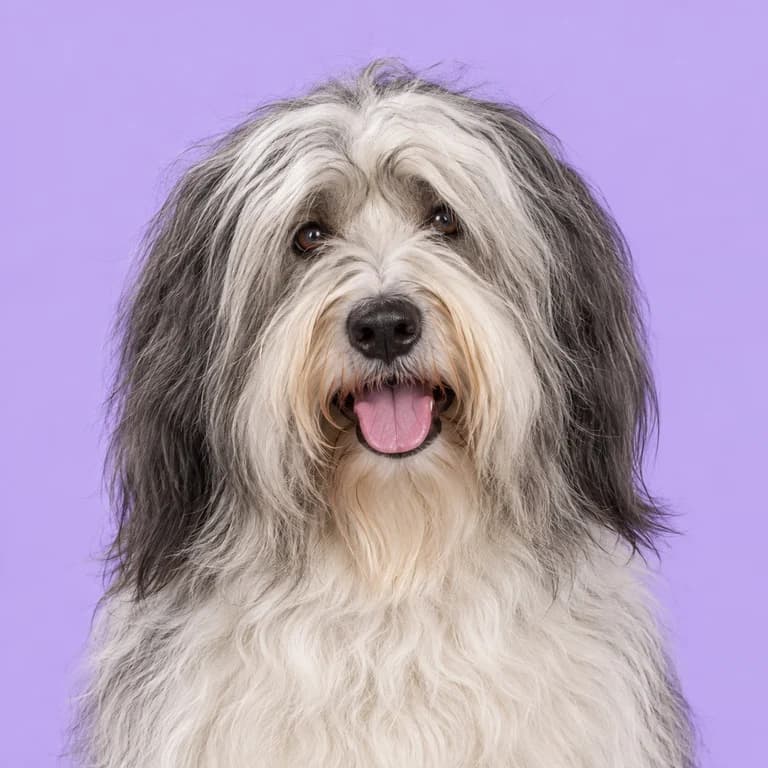
Original AI-generated breed illustration
Weight
14 to 23 kg
31 to 51 lb
Height
42 to 52 cm
at the shoulder
Life expectancy
12 to 14 yrs
Activity estimate
90 to 120 min
editorial daily planning range
Adult-size estimate
18 months
approximate model input
Life with a Polish Lowland Sheepdog
Ask a PON owner to describe the breed and the word thinker comes up again and again. These dogs moved and guarded flocks on the Polish lowlands with little direction from the shepherd, and they learned to weigh a situation and act on their own judgment. They watch everything, remember people and routines for years, and work out quickly which house rules are enforced and which can be quietly ignored.
The breed is old, but its modern history is short. The Second World War nearly wiped it out, and afterward veterinarian Danuta Hryniewicz gathered the dogs she could find. Her male Smok became the model on which the first standard was written in the late 1950s. The breed reached western Europe and North America over the following decades, yet it remains fairly uncommon outside Poland.
With family a PON is affectionate, playful and loyal, often choosing one favorite person. With strangers it tends to be reserved and alert, and sometimes vocal about it, which is ideal on a farm but needs managing in a busy suburb. It is sturdy, happy in cold weather and sized to fit easily into a house or car. This is a dog for someone who enjoys a partner with ideas of its own.
What stands out
Training
PONs learn quickly but decide for themselves whether a request makes sense. Consistency is everything: if one family member allows the dog on the sofa, the dog will remember it. Reward-based training with short, varied sessions works best, delivered with patience and calm confidence.
Read the full training guideEasy to train
Open with strangers
Good with other dogs
A great match for
- owners who enjoy ongoing training
- families wanting an alert watchdog
- cold climates and outdoor lifestyles
- herding, obedience and agility
Think twice if
- suspicious of strangers without early socialization
- tests rules and remembers every exception
- heavy grooming to prevent mats
- herding habits such as nipping at heels
Personality and needs at a glance
Living together
Good with children
Good with other dogs
Open with strangers
Apartment friendly
Copes with alone time
Energy and character
Energy level
Playfulness
Easy to train
Barking
5 means very vocal
Care and climate
Grooming needs
Shedding
Drooling
Handles cold
Handles heat
How much a Polish Lowland Sheepdog eats
Illustrative calculations for neutered adults at midpoint breed weights, with food at 370 kcal per 100 g and 100 g per cup. These are not measured breed requirements. Use actual weight, the food label and veterinary body-condition advice.
| Dog | Weight | Calories | Dry food |
|---|---|---|---|
| Female, relaxed lifestyle | 16 kg | 780 kcal | 210 g (2 cups) |
| Female, typical pet | 16 kg | 900 kcal | 240 g (2.5 cups) |
| Male, typical pet | 20 kg | 1040 kcal | 280 g (2.8 cups) |
| Male, very active | 20 kg | 1300 kcal | 350 g (3.5 cups) |
Care guides for the Polish Lowland Sheepdog
Things owners are often surprised by
- 1The Polish name, Polski Owczarek Nizinny, gives the breed its common nickname: PON.
- 2A dog named Smok, owned by veterinarian Danuta Hryniewicz, became the model for the breed standard after the Second World War.
- 3A popular story says a Polish merchant traded PONs to a Scottish shepherd in 1514, possibly influencing the Bearded Collie.
- 4Puppies are often born darker and fade to a lighter gray or white as adults.
- 5Some are born with a naturally short tail.
Polish Lowland Sheepdog questions
Is the Polish Lowland Sheepdog related to the Bearded Collie?
Possibly. A well-known story says a Polish merchant named Kazimierz Grabski traded several PONs to a Scottish shepherd in 1514 and that those dogs contributed to the Bearded Collie. It is hard to prove, but the two breeds look alike and share a herding background, and many European herding breeds are related, so some shared ancestry is plausible.
Is a PON a good first dog?
It can be for a committed owner who is willing to attend training classes and learn about herding breeds. Intelligence, independence and wariness of strangers make the PON more demanding than a typical family breed. First-time owners do best with close support from the breeder and a good trainer from the start. If you want an easy, always-eager dog, another breed may suit you better.
Do PONs bark a lot?
They are watchdogs by nature and usually bark at unusual sounds, visitors and anything that seems out of place. Most are not nuisance barkers when they are well exercised and trained, but they will voice an opinion. Teach a quiet cue early, reward calm behavior at the window, and avoid long periods alone, which tend to increase barking.
Can a PON see through all that hair?
Yes, although a heavy fringe does limit vision, especially to the sides. Shepherds left the hair long to shield the eyes from weather and dust. Many pet owners trim the fringe or tie it up with a small band so the dog sees clearly, which often helps with confidence around strangers. Trim it if the hair rubs the eyes and causes tearing.
Popular answers for owners
- Exercise and playHow do I teach my dog to drop the ball during fetch?
- How much to feedHow many calories does my dog need per day?
- Puppy feeding and growthDoes spaying change how much I should feed my puppy?
- Bowls and feeding gearWhy do vets recommend stainless steel bowls?
- Grooming and coatWhy does my dog's coat matt so fast after a groom?
- How much to feedWhy does the feeding chart on the bag seem like too little food?
Breeds you might compare
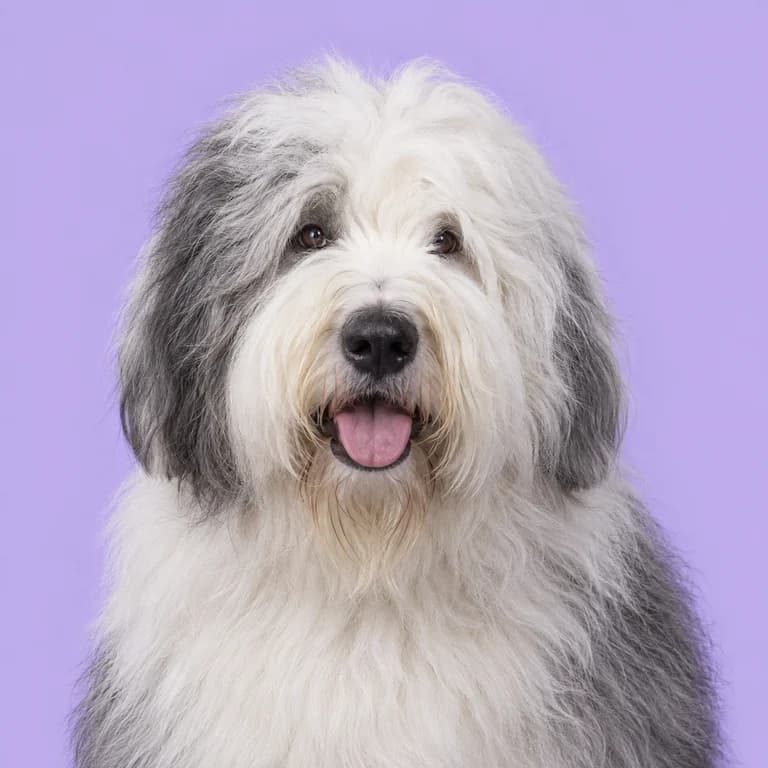
Herding group
Old English Sheepdog
27 to 45 kg · 10 to 12 years
A shaggy English drover with a rolling bear-like walk and a coat that asks for hours of your week.
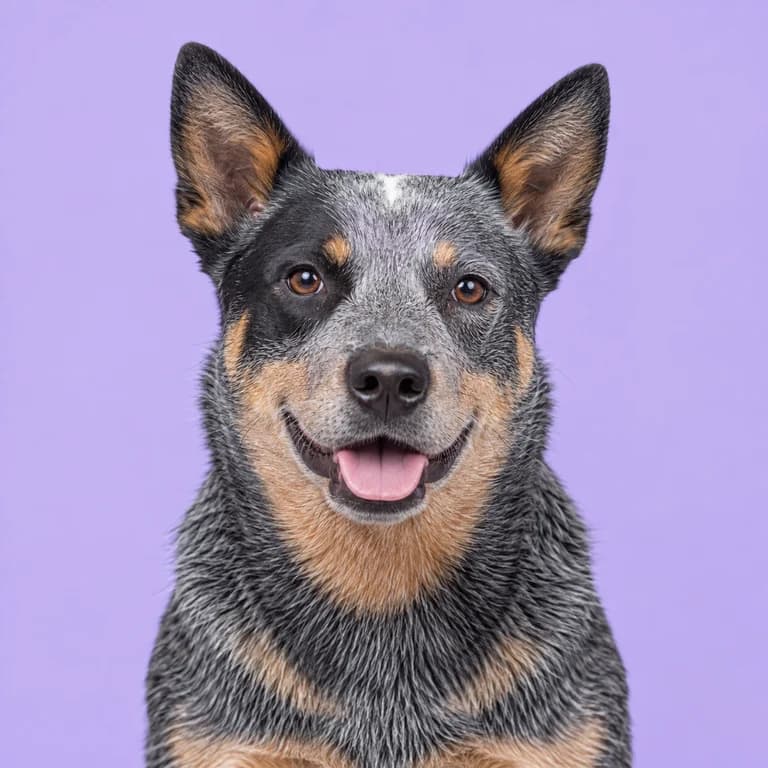
Herding group
Australian Cattle Dog
14 to 22 kg · 12 to 16 years
A compact drover with seemingly endless stamina, built to move stubborn cattle across hot Australian country.
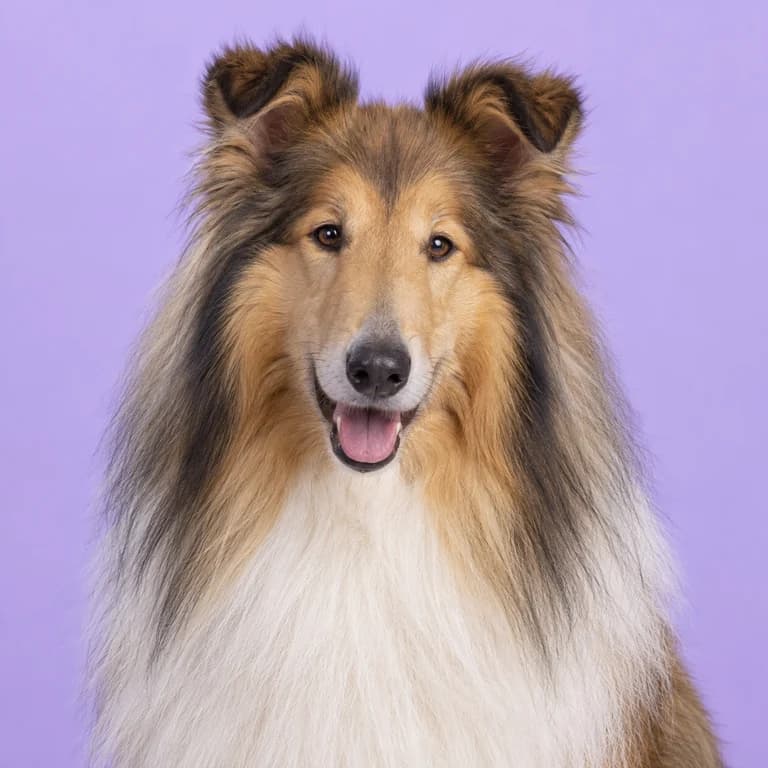
Herding group
Rough Collie
21 to 34 kg · 12 to 14 years
A Scottish sheepdog turned Victorian favorite and film star, still gentle, watchful and very vocal.
Working group
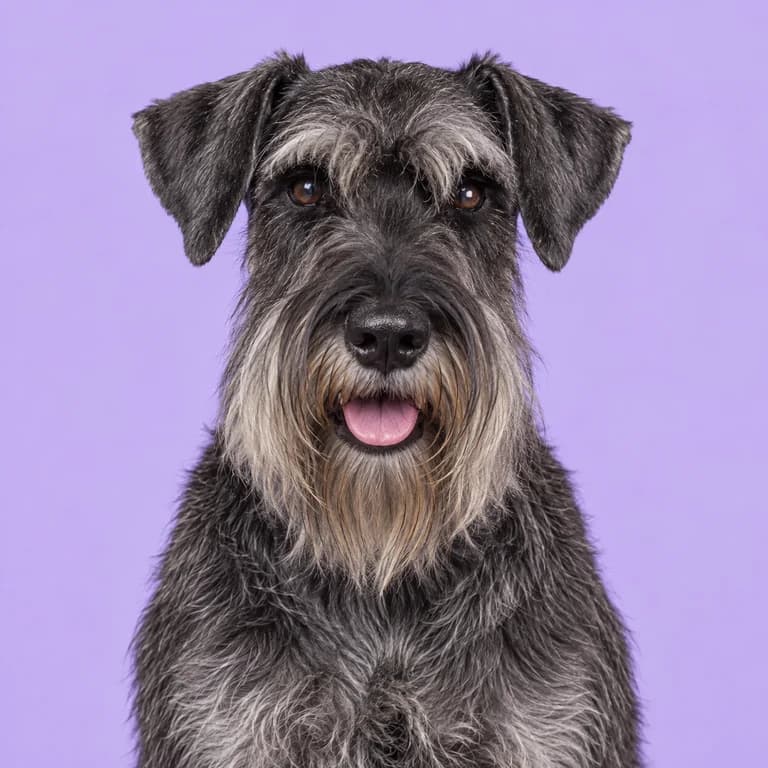
Standard Schnauzer
14 to 20 kg · 13 to 16 years
The original Schnauzer, a bearded German farm dog whose wiry coat looks its best when it is plucked by hand.
Herding group
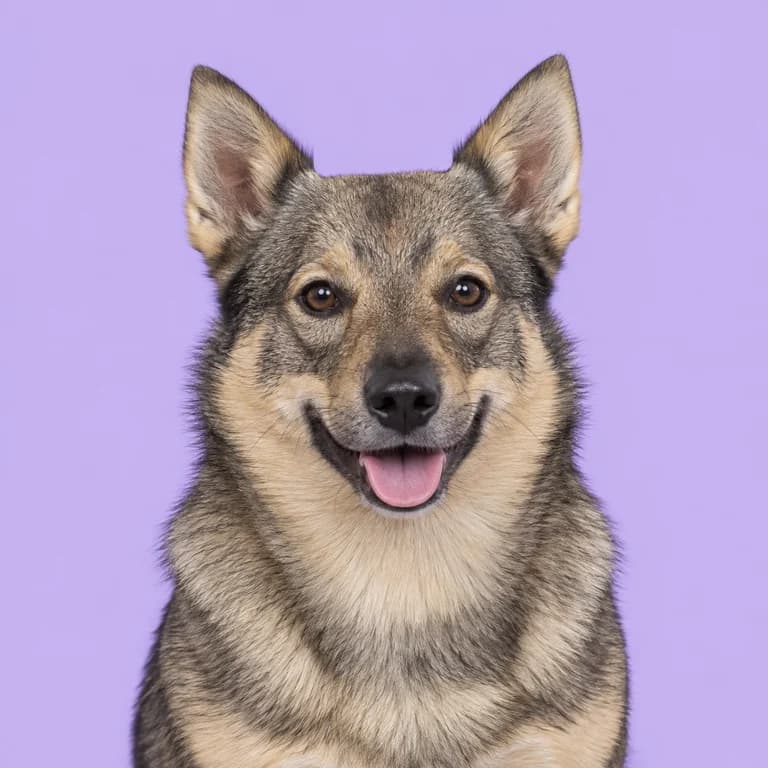
Swedish Vallhund
9 to 16 kg · 12 to 15 years
A low-slung Viking-age cattle dog with the drive of a much larger herder packed into 33 cm.
Herding group
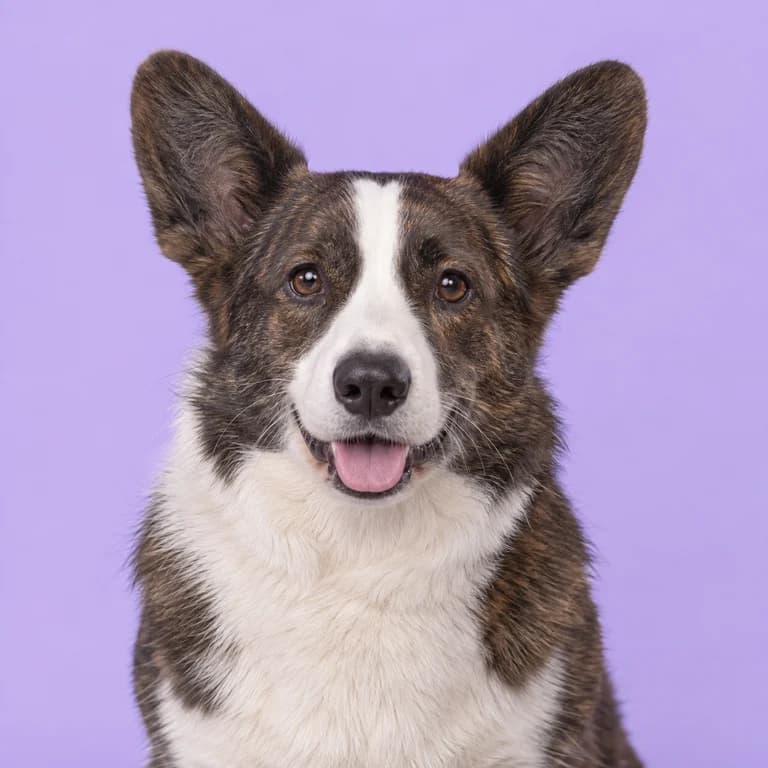
Cardigan Welsh Corgi
12 to 17 kg · 12 to 15 years
The older, long-tailed corgi from the Welsh hills, built low to drive cattle and still thinking like a farmhand.