Sources for this article
Non-sporting group · Tibet
Tibetan Spaniel
Also called Tibbie, Simkhyi
Part watchdog, part cat: a small Himalayan dog that loves high perches and decides for itself who is a friend.
The Tibetan Spaniel is a small, confident companion of about 4 to 7 kg (9 to 15 lb), kept for centuries in Tibetan monasteries and homes. It is devoted to its family, reserved with strangers and independent in a way that often reminds owners of a cat. It is not a spaniel in any sporting sense.
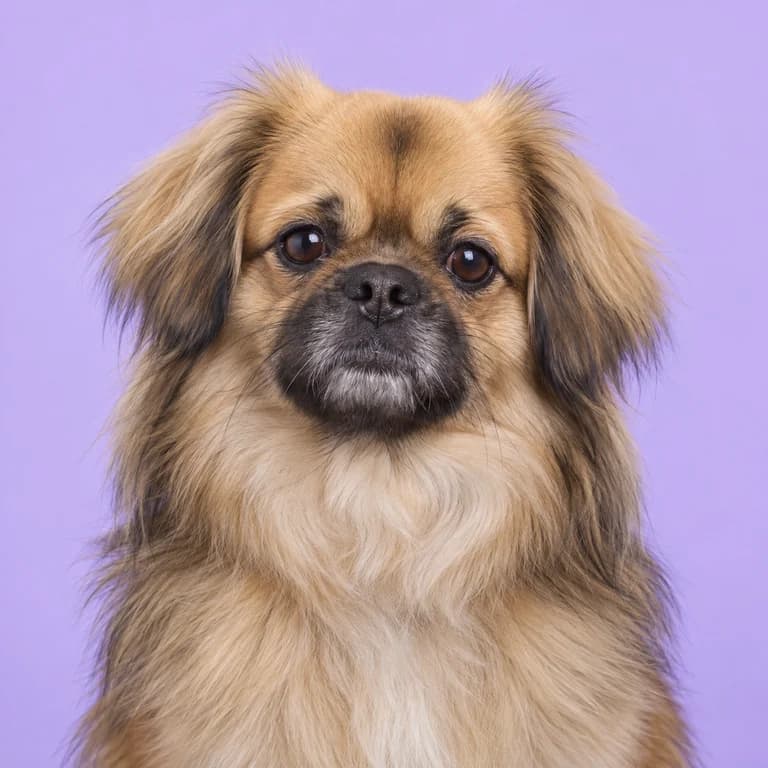
Original AI-generated breed illustration
Weight
4 to 7 kg
9 to 15 lb
Height
22 to 27 cm
at the shoulder
Life expectancy
12 to 15 yrs
Activity estimate
30 to 60 min
editorial daily planning range
Adult-size estimate
12 months
approximate model input
Life with a Tibetan Spaniel
Watch a Tibetan Spaniel settle into a new home and you will see it inspect every room, then pick the best lookout: the back of a sofa, a windowsill or the top step of the stairs. That habit has a long history. In Tibet these small dogs lived in monasteries and villages, where they are said to have sat on walls watching the valley and alerting the larger mastiffs below when anyone approached.
They were valued companions rather than trade goods, and were usually given as gifts. A well-loved legend says they turned prayer wheels for the monks, though there is little evidence for it. The first dogs reached Britain in the late 1800s, but the breed was only firmly established after the Second World War. Despite the name, it has no link to hunting spaniels and is more closely related to the Pekingese, Japanese Chin and Lhasa Apso.
At home, a Tibbie is affectionate, playful in short bursts and closely tuned to its family's routine. With strangers it is polite but distant, and it prefers to decide when to be friendly. It will bark to announce arrivals, then usually settle once it has assessed the visitor. People who like a dog with opinions tend to fall hard for the breed.
What stands out
Training
Tibbies are bright but independent. They learn quickly when they see a reason and lose interest if asked to repeat the same exercise many times. Short sessions, varied tasks and food or play rewards work well.
Read the full training guideEasy to train
Open with strangers
Good with other dogs
A great match for
- flats and quiet homes
- owners who want an alert but not yappy watchdog
- people who prefer a dog with some independence
- retired owners who enjoy moderate walks
Think twice if
- aloofness with strangers
- selective hearing on recall
- discomfort in hot weather
- a talent for climbing onto furniture and windowsills
Personality and needs at a glance
Living together
Good with children
Good with other dogs
Open with strangers
Apartment friendly
Copes with alone time
Energy and character
Energy level
Playfulness
Easy to train
Barking
5 means very vocal
Care and climate
Grooming needs
Shedding
Drooling
Handles cold
Handles heat
How much a Tibetan Spaniel eats
Illustrative calculations for neutered adults at midpoint breed weights, with food at 370 kcal per 100 g and 100 g per cup. These are not measured breed requirements. Use actual weight, the food label and veterinary body-condition advice.
| Dog | Weight | Calories | Dry food |
|---|---|---|---|
| Female, relaxed lifestyle | 5 kg | 330 kcal | 90 g (1 cups) |
| Female, typical pet | 5 kg | 370 kcal | 100 g (1 cups) |
| Male, typical pet | 6 kg | 430 kcal | 115 g (1.3 cups) |
| Male, very active | 6 kg | 540 kcal | 145 g (1.5 cups) |
Care guides for the Tibetan Spaniel
Things owners are often surprised by
- 1Not related to hunting spaniels; the name was given by Western breeders
- 2Traditionally given as gifts, not sold, in Tibet
- 3Males grow a mane that can take 2 to 3 years to reach full length
- 4Often chooses the highest spot in the room, such as the back of the sofa
- 5A DNA test exists for one inherited form of progressive retinal atrophy seen in the breed
Tibetan Spaniel questions
Is a Tibetan Spaniel actually a spaniel?
No. It was named by Western breeders who saw a small dog with feathered ears, but it has no hunting background and no connection to sporting spaniels. Its closest relatives are other Asian companion breeds, such as the Pekingese, Japanese Chin and Lhasa Apso. In temperament it is more watchdog than gun dog.
Why does my Tibetan Spaniel sit on the back of the sofa?
Tibbies love high vantage points, a habit linked to their history as lookouts on monastery walls. From the back of a sofa or a windowsill they can watch the room and the street at once. It is normal breed behavior. Just make sure the perch is stable and that jumping down is not too far for your dog's joints.
Are Tibetan Spaniels good with strangers?
They are usually polite but reserved. Most will bark when someone arrives, study the newcomer, and warm up in their own time. Pushing a Tibbie to accept strangers often backfires. Let visitors ignore the dog and toss a treat, and it will usually come over once it decides the person is acceptable.
What is the difference between a Tibetan Spaniel and a Lhasa Apso?
Both come from Tibet, but the Lhasa has a long floor-length coat that needs heavy grooming, while the Tibbie has a moderate coat that needs brushing once or twice a week. Lhasas are a little heavier and more serious as guard dogs. Tibbies are generally lighter on their feet and more cat-like.
Do Tibetan Spaniels bark a lot?
They bark to alert, not constantly. Expect a few barks when the doorbell rings or someone walks past the window. A Tibbie that barks excessively is often bored or has a perfect view of the street all day. Blocking the lower part of the window or rewarding quiet usually helps.
Popular answers for owners
- Grooming and coatWhat is a coat blow and how long does it last?
- Puppy feeding and growthHow accurate are puppy weight calculators?
- Exercise and playCan two dogs safely play tug together?
- Bowls and feeding gearWhat is a feeding mat for and do I need one?
- Bowls and feeding gearHow often should you wash your dog's bowl?
- Grooming and coatWhy does brushing sometimes irritate my dog's skin?
Breeds you might compare
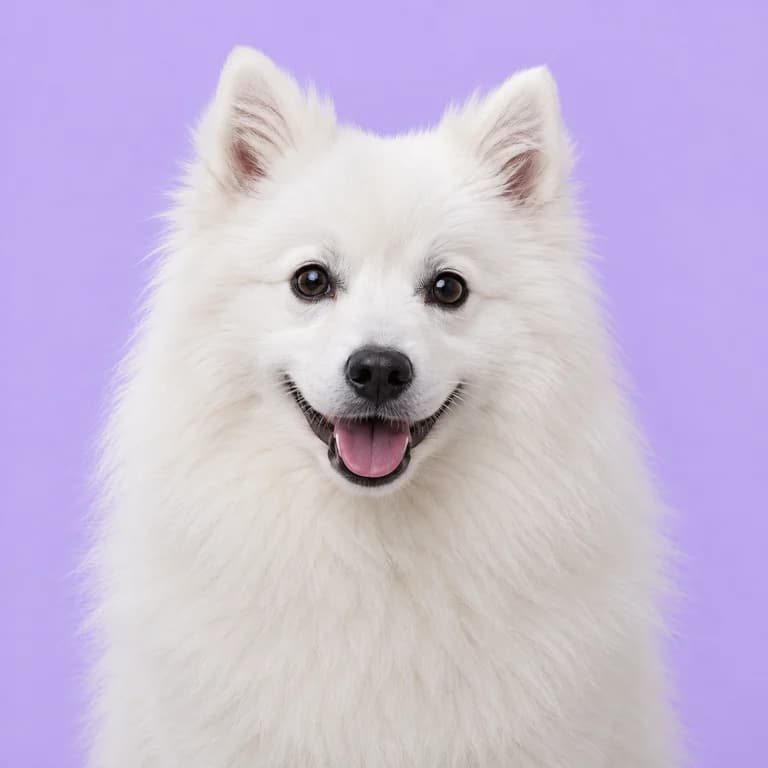
Non-sporting group
Japanese Spitz
5 to 10 kg · 12 to 16 years
A snow-white spitz with a cheerful, people-centered nature and a coat that sheds dirt better than you would expect.
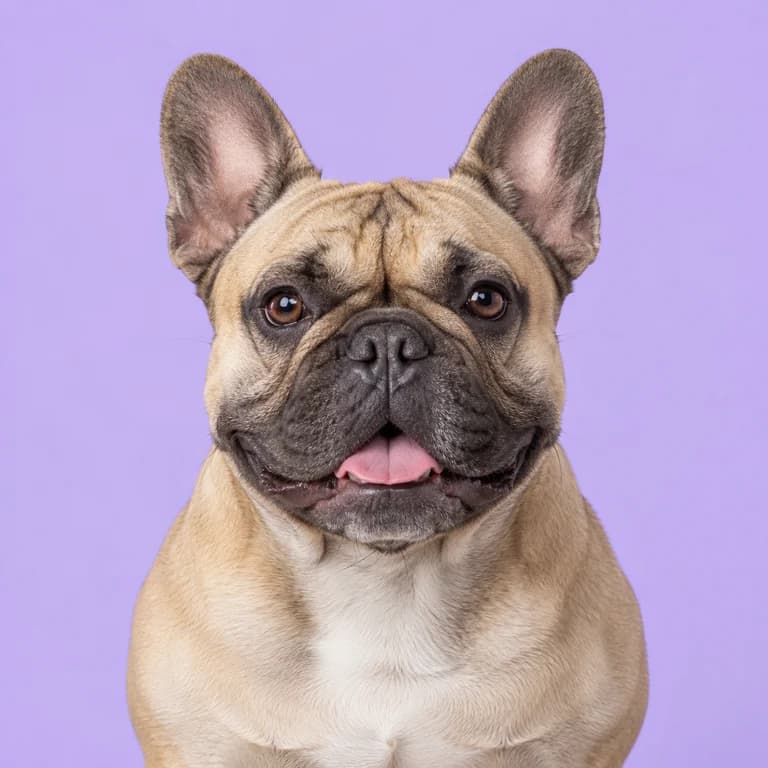
Non-sporting group
French Bulldog
8 to 14 kg · 10 to 12 years
A compact clown with bat ears whose flat face shapes nearly every decision about exercise, heat and feeding.
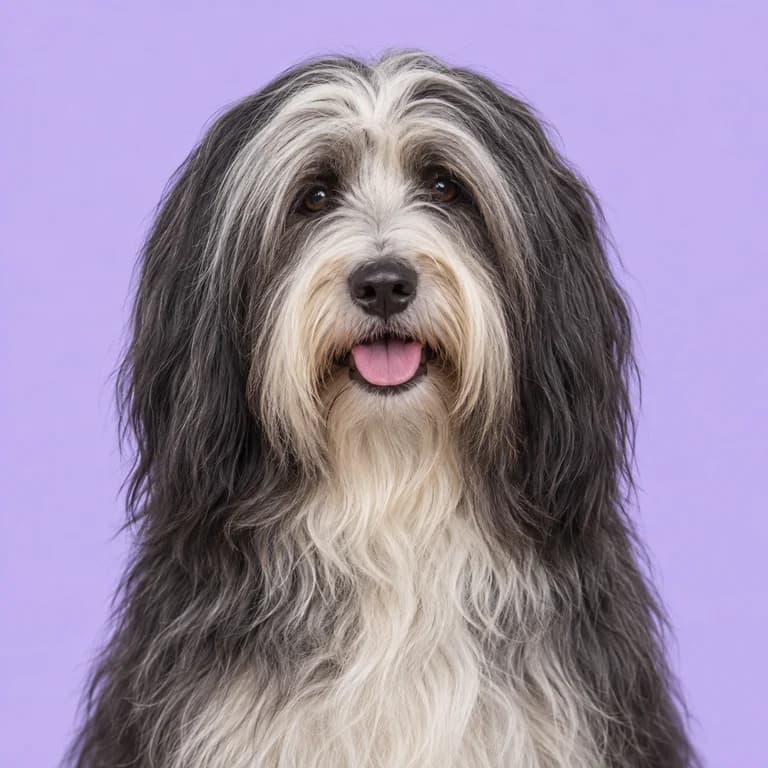
Non-sporting group
Tibetan Terrier
8 to 14 kg · 12 to 15 years
Not a terrier at all, but a shaggy mountain companion once given away as a living good-luck charm.
Crossbreed
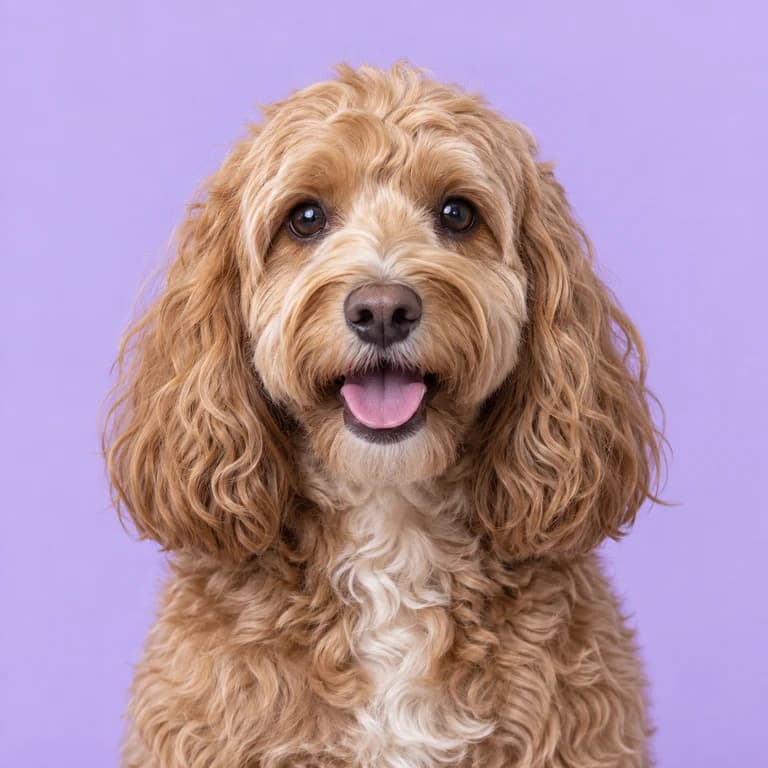
Cockapoo
5 to 11 kg · 12 to 15 years
Part spaniel, part poodle, the Cockapoo is a sociable, playful companion with a coat that never lets you skip grooming.
Toy group
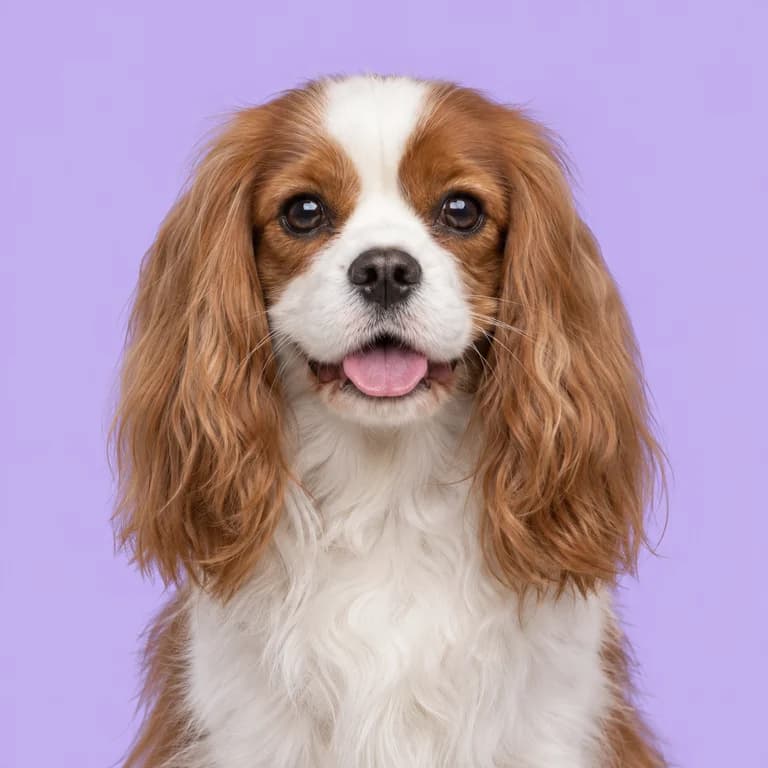
Cavalier King Charles Spaniel
6 to 8 kg · 9 to 14 years
A gentle lap spaniel with royal portraits in its past and a heart that deserves careful watching.
Terrier group
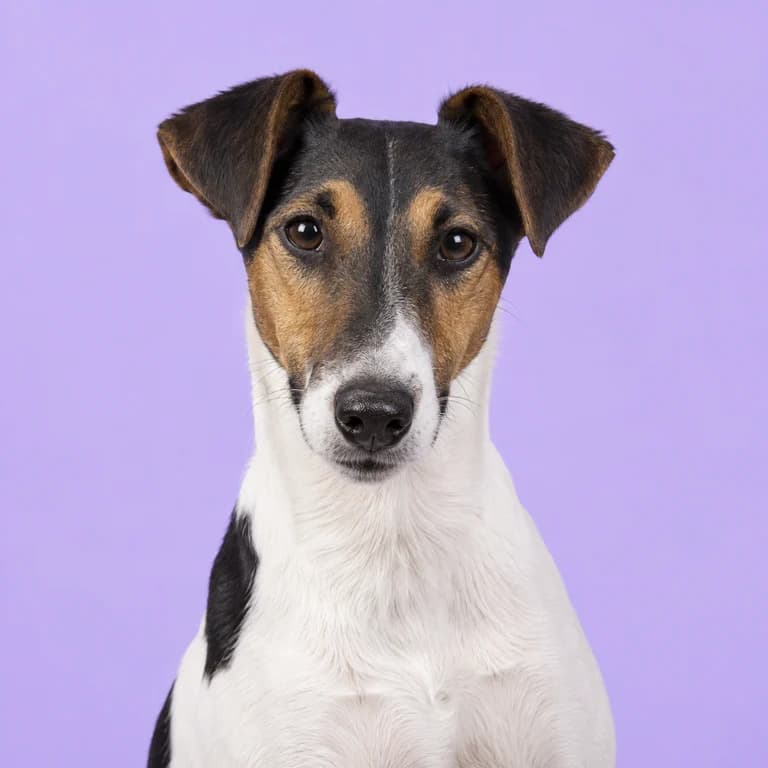
Smooth Fox Terrier
6 to 9 kg · 12 to 15 years
A lively white terrier bred to bolt foxes, still wired for chasing, digging and running rings around you.