Sources for this article
Non-sporting group · Tibet
Tibetan Terrier
Also called Tsang Apso, Dhokhi Apso
Not a terrier at all, but a shaggy mountain companion once given away as a living good-luck charm.
The Tibetan Terrier is an agile, medium-sized dog with a long coat and wide, flat feet made for snow. It was kept by families and monasteries in Tibet as a companion and herding helper, and the 'terrier' name is a Western misunderstanding. Expect a loyal, sensitive dog that loves its own people and takes its time with strangers.
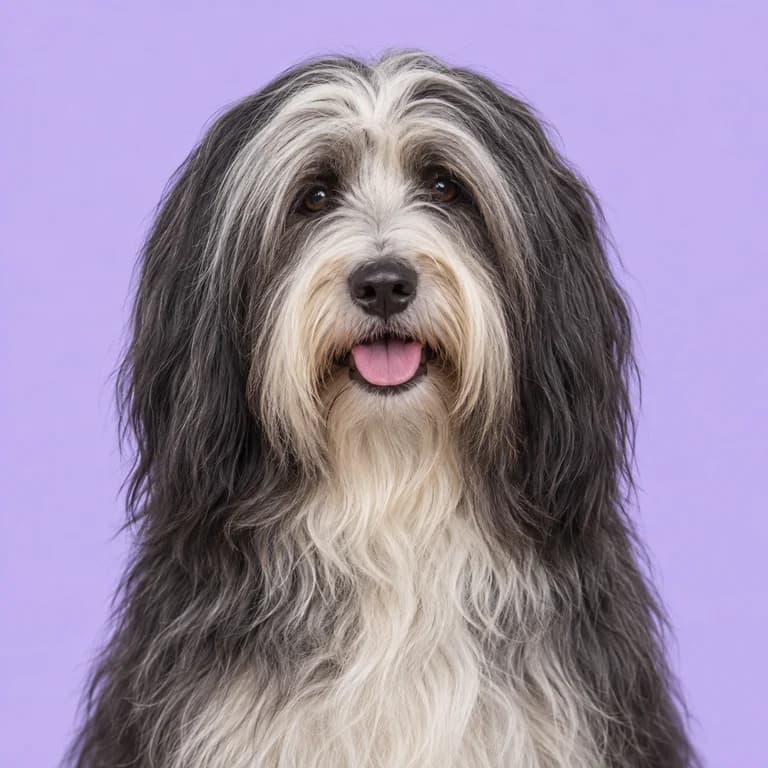
Original AI-generated breed illustration
Weight
8 to 14 kg
18 to 31 lb
Height
35 to 41 cm
at the shoulder
Life expectancy
12 to 15 yrs
Activity estimate
60 to 90 min
editorial daily planning range
Adult-size estimate
15 months
approximate model input
Life with a Tibetan Terrier
For centuries in the high valleys of Tibet, these dogs lived with herders and in monasteries, where they helped move livestock, kept watch and shared the family's living space. They were called 'holy dogs' by some, and parting with one by sale was considered unlucky. Instead, a dog might be offered as a gift of gratitude, which is exactly how the breed reached the West.
In the early 1920s, Dr. Agnes Greig, working in India, received a dog after treating a patient. She later obtained more and started a breeding line in England, and the breed was recognized there in the 1930s. The name stuck because the dogs were roughly terrier-sized, but they have no terrier ancestry and none of the terrier's urge to dig after prey.
The modern Tibetan Terrier is gentle, lively and closely bonded to its household. Many are watchful rather than friendly with newcomers, preferring to observe from a distance before accepting a pat. They are playful at home, surprisingly athletic, and known for a leaping, bouncy gait that reflects their mountain origin.
A great match for
- cool climates
- owners who enjoy grooming
- families with gentle children
- homes with a secure garden
- people wanting a medium dog that fits indoors
Think twice if
- heavy grooming demands
- reserved or wary with strangers
- can be stubborn
- coat mats quickly during the puppy-to-adult change
Personality and needs at a glance
Living together
Good with children
Good with other dogs
Open with strangers
Apartment friendly
Copes with alone time
Energy and character
Energy level
Playfulness
Easy to train
Barking
5 means very vocal
Care and climate
Grooming needs
Shedding
Drooling
Handles cold
Handles heat
How much a Tibetan Terrier eats
Illustrative calculations for neutered adults at midpoint breed weights, with food at 370 kcal per 100 g and 100 g per cup. These are not measured breed requirements. Use actual weight, the food label and veterinary body-condition advice.
| Dog | Weight | Calories | Dry food |
|---|---|---|---|
| Female, relaxed lifestyle | 10 kg | 550 kcal | 150 g (1.5 cups) |
| Female, typical pet | 10 kg | 630 kcal | 170 g (1.8 cups) |
| Male, typical pet | 12 kg | 700 kcal | 190 g (2 cups) |
| Male, very active | 12 kg | 870 kcal | 235 g (2.3 cups) |
Care guides for the Tibetan Terrier
Things owners are often surprised by
- 1Large, round, flat feet act like snowshoes, spreading the dog's weight on snow and rough ground.
- 2An English doctor, Agnes Greig, brought the first well-documented dogs from India to Britain in the 1920s.
- 3Tibetan families traditionally never sold these dogs; they were given as gifts believed to bring luck.
- 4Its adult coat can take until about 18 months to come through fully.
- 5It stands 36 to 41 cm (14 to 16 in), noticeably taller than a Lhasa Apso or Shih Tzu.
Tibetan Terrier questions
Why is it called a terrier if it is not one?
European visitors in the early 20th century gave it that name because of its size, similar to many terriers of the time. The breed actually descends from Tibetan herding and companion dogs, not from the digging, ratting terriers of Britain. Some breed enthusiasts would happily rename it, but the historical label has stuck.
Do Tibetan Terriers shed?
They shed very little onto furniture, because loose hair tends to stay caught in the long coat. That is why regular brushing matters so much: the hair has to come out somehow, and if you do not remove it, it forms mats. Some people with mild allergies find them easier to live with, but no dog is allergy-proof.
Are Tibetan Terriers good with children?
Many are affectionate and playful with children they know, especially if raised with them. They can be wary of unfamiliar kids or overwhelmed by loud, rough play. Teach children to let the dog approach and to avoid grabbing the coat. Older, calm children are usually the best match.
How is a Tibetan Terrier different from a Lhasa Apso?
Both come from Tibet, but the Tibetan Terrier is larger, standing about 36 to 41 cm, with longer legs and a more square, athletic build. Lhasas are smaller, lower to the ground and more suspicious as watchdogs. Tibetan Terriers are also known for their distinctive flat, snowshoe-like feet.
Can a Tibetan Terrier cope with hot weather?
They manage in mild summers, but the dense double coat makes heat harder for them than for short-coated dogs. Walk early and late, provide shade and water, and consider a shorter trim for summer. Shaving to the skin is not recommended, as the coat also protects from sunburn.
Popular answers for owners
- Grooming and coatWhy is my puppy's coat changing color?
- How much to feedHow much should I feed a 100 lb dog?
- Exercise and playWhat is a safe warm up before intense dog exercise?
- How much to feedHow much should I feed a 50kg dog?
- How much to feedHow precise do I need to be when measuring my dog's food?
- Puppy feeding and growthHow many meals a day does a large breed puppy need?
Breeds you might compare
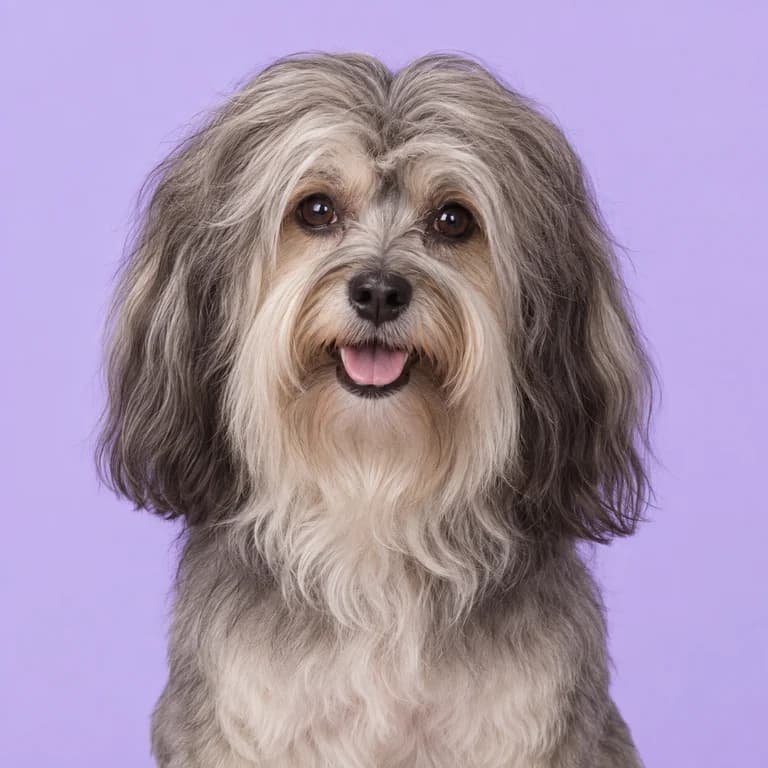
Non-sporting group
Löwchen
4 to 8 kg · 13 to 15 years
A small, sturdy companion with a lion haircut, a lively mind and a history of nearly vanishing.
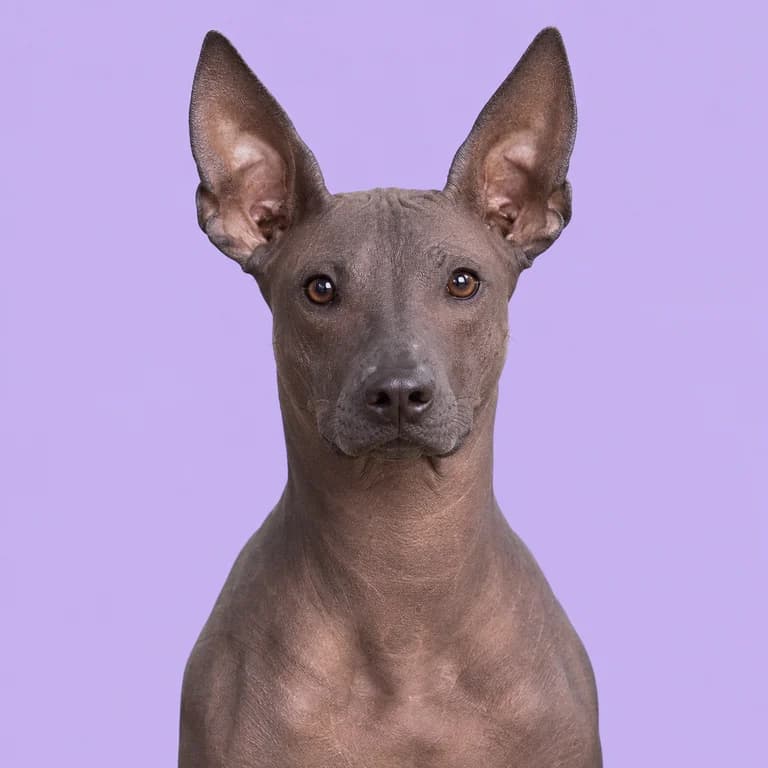
Non-sporting group
Xoloitzcuintli
11 to 25 kg · 13 to 18 years
An ancient Mexican breed, hairless by nature, calm indoors and deeply devoted to the few people it chooses.
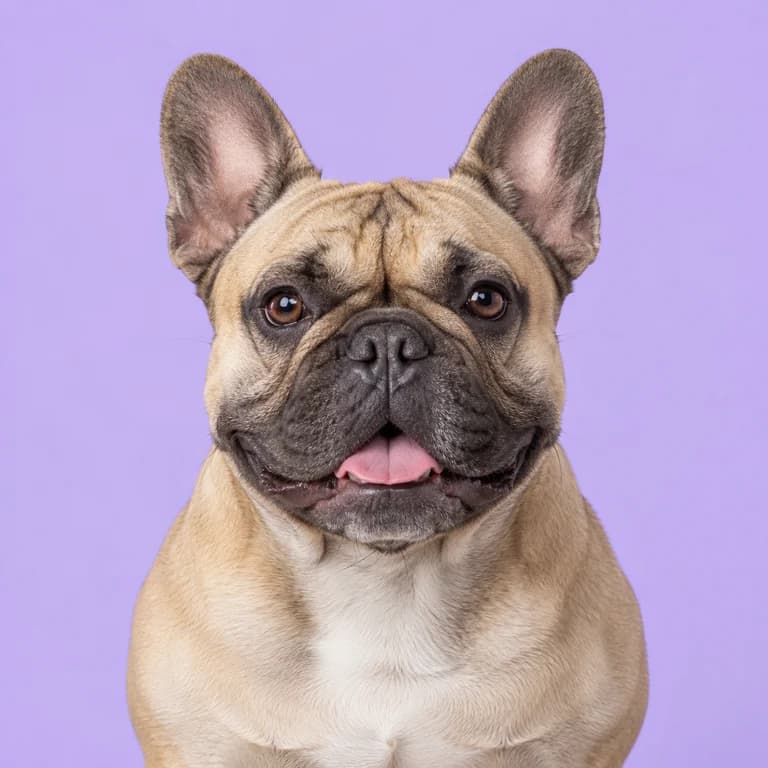
Non-sporting group
French Bulldog
8 to 14 kg · 10 to 12 years
A compact clown with bat ears whose flat face shapes nearly every decision about exercise, heat and feeding.
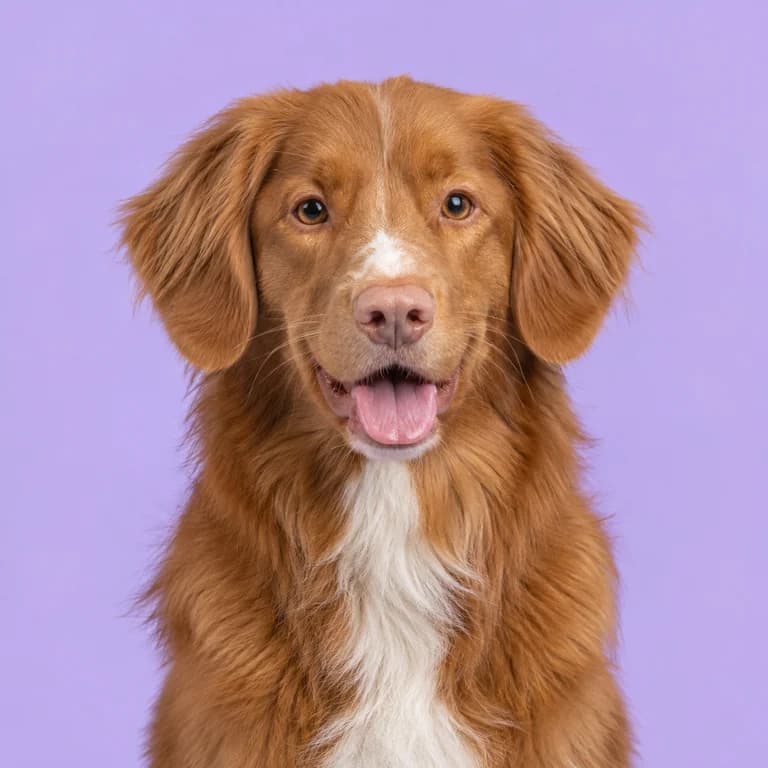
Sporting group
Nova Scotia Duck Tolling Retriever
17 to 23 kg · 12 to 14 years
The smallest retriever, bred to play along the shoreline until curious ducks swam close enough to shoot.
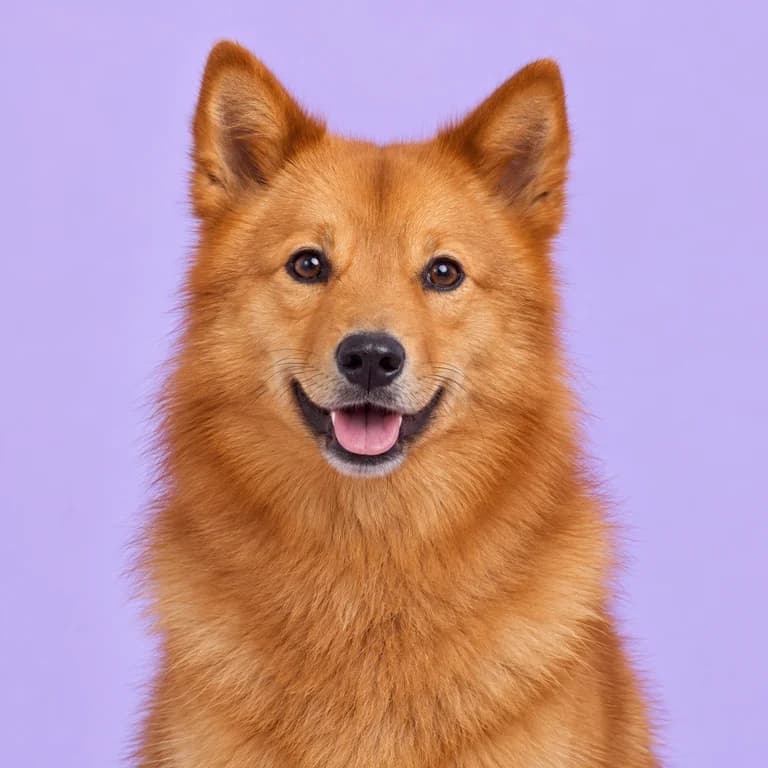
Non-sporting group
Finnish Spitz
9 to 15 kg · 13 to 15 years
Finland's fox-red bird dog, built to bark a treed capercaillie into staying put, and happy to narrate your day.
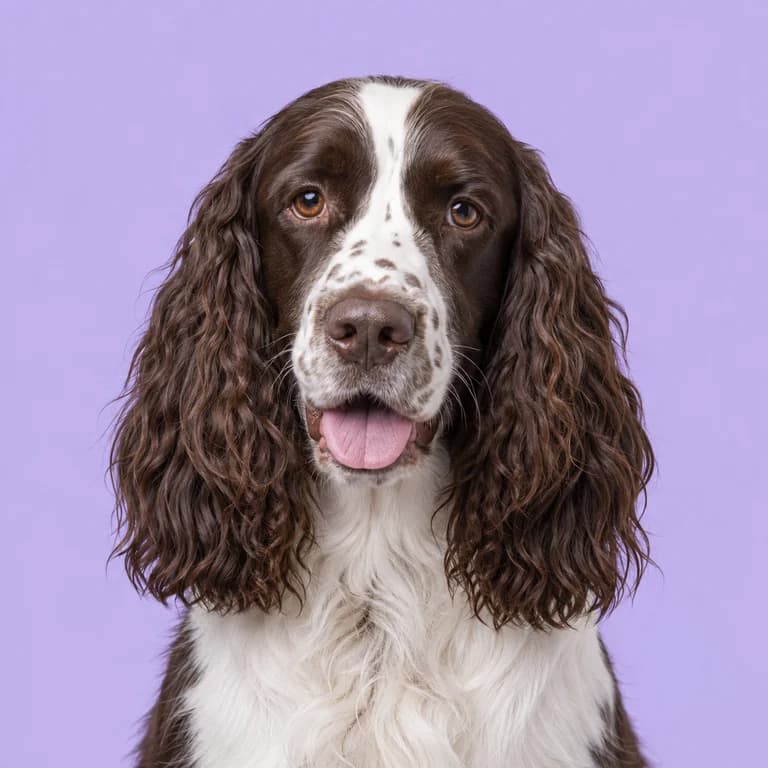
Sporting group
English Springer Spaniel
18 to 25 kg · 12 to 14 years
A tireless flushing spaniel that treats every hedge as a job and every walk as a hunt.