Sources for this article
Sporting group · United States (South Carolina)
Boykin Spaniel
Also called Boykin, Little Brown Dog
A compact brown spaniel sized to fit in a small boat, bred in South Carolina swamps for ducks and wild turkey.
The Boykin Spaniel is a medium-sized flushing and retrieving dog developed in the swamps of South Carolina. Hunters wanted a dog light enough to ride in small boats without tipping them, and the Boykin's size is the result. Friendly, eager and energetic, it has become a popular family dog as well as a working partner.
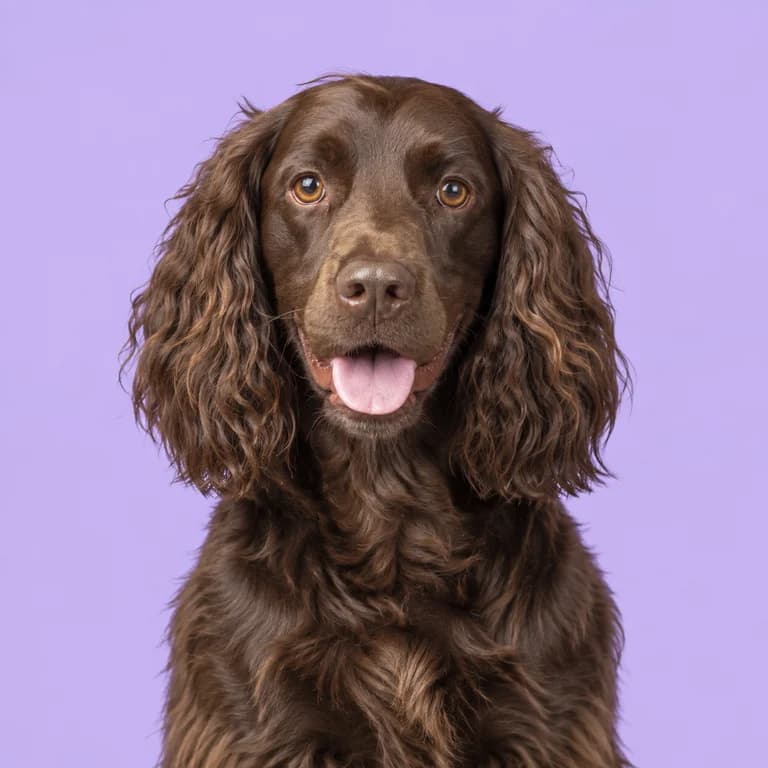
Original AI-generated breed illustration
Weight
11 to 18 kg
24 to 40 lb
Height
36 to 46 cm
at the shoulder
Life expectancy
12 to 15 yrs
Activity estimate
90 to 120 min
editorial daily planning range
Adult-size estimate
15 months
approximate model input
Life with a Boykin Spaniel
Size is the reason this breed exists. In the early 1900s, hunters on the Wateree River swamps of South Carolina shot ducks from small, narrow boats and wanted a dog that could retrieve from water yet was light enough to climb back in without swamping the boat. The Boykin, at 11 to 18 kg (25 to 40 lb), fits that brief neatly, and its standard still emphasizes a compact, medium-sized build rather than bulk.
The founding story is a local favorite. A small brown spaniel was found wandering near a church in Spartanburg, taken in by a man named Alexander White and passed to his hunting partner Whit Boykin, who discovered its talent for retrieving. Crosses with Chesapeake Bay Retrievers, Springer and Cocker Spaniels and American Water Spaniels are believed to have shaped the breed over the following decades, fixing the solid brown color.
Around the house, Boykins are friendly, eager and people-focused. Most enjoy children, get along with other dogs and greet visitors with a whole-body wag. Their size makes them easier to manage than a Labrador, yet they carry similar retrieving instincts, which in practice means a steady procession of shoes, socks and toys delivered proudly to whoever is nearest.
What stands out
Puppy growth
Boykin puppies grow quickly in their first six months and typically reach adult height by 12 months, then fill out until about 15 to 18 months. They are active and curious from the start, and many show a strong urge to carry things by eight weeks, which is a useful foundation for later retrieving work.
Read the full puppy growth guideIllustrative model, not observed breed data or a healthy-weight standard. Use actual measurements and veterinary advice to assess growth.
A great match for
- active families
- hunters needing a dog for waterfowl and upland game
- homes near lakes or rivers
- owners who enjoy training and outdoor time
Think twice if
- needs daily exercise and a job to do
- ear infections after swimming
- hip dysplasia is relatively common in the breed
- may chew or bark when bored
Personality and needs at a glance
Living together
Good with children
Good with other dogs
Open with strangers
Apartment friendly
Copes with alone time
Energy and character
Energy level
Playfulness
Easy to train
Barking
5 means very vocal
Care and climate
Grooming needs
Shedding
Drooling
Handles cold
Handles heat
How much a Boykin Spaniel eats
Illustrative calculations for neutered adults at midpoint breed weights, with food at 370 kcal per 100 g and 100 g per cup. These are not measured breed requirements. Use actual weight, the food label and veterinary body-condition advice.
| Dog | Weight | Calories | Dry food |
|---|---|---|---|
| Female, relaxed lifestyle | 13 kg | 650 kcal | 175 g (1.8 cups) |
| Female, typical pet | 13 kg | 740 kcal | 200 g (2 cups) |
| Male, typical pet | 16 kg | 900 kcal | 240 g (2.5 cups) |
| Male, very active | 16 kg | 1120 kcal | 305 g (3 cups) |
Care guides for the Boykin Spaniel
Things owners are often surprised by
- 1The breed began in the early 1900s with a small brown stray spaniel found near a church in Spartanburg, South Carolina.
- 2Named after Whit Boykin, who developed the line while hunting along the Wateree River.
- 3Named the official state dog of South Carolina in 1985.
- 4Recognized by the AKC in 2009.
- 5Eyes range from yellow to amber or brown, toning with the coat.
Boykin Spaniel questions
Why are Boykin Spaniels always brown?
The breed standard allows only solid liver, brown or dark chocolate, sometimes with a small white patch on the chest. Early breeders chose brown partly because it blends into the swamps and marshes where the dogs worked, making them less visible to ducks. Over time the color became fixed as a defining feature of the breed.
Are Boykin Spaniels good family dogs?
Yes, for active families. Boykins are affectionate, playful and usually very good with children and other dogs. They need daily exercise and some training to stay well-behaved, and they dislike being left alone for long periods. A family that enjoys outdoor time, especially near water, usually finds them a great fit.
What is the difference between a Boykin Spaniel and a Cocker Spaniel?
Boykins are larger and sportier, weighing about 11 to 18 kg (25 to 40 lb) compared with roughly 9 to 14 kg for most Cockers. Boykins were developed in South Carolina for retrieving from boats and flushing turkey, while Cockers were bred in Britain and later the US for flushing birds on land. Boykins are always brown and have a shorter, easier coat.
Can Boykin Spaniels live in hot climates?
They were developed in the humid heat of South Carolina, so they cope better than many breeds. Even so, heavy exercise in high temperatures can lead to overheating. Schedule activity for early morning or evening, offer water frequently, and let the dog swim to cool off where possible. Watch for heavy panting, weakness or unsteadiness.
How easy is it to find a Boykin Spaniel outside the US?
Not easy. The breed is still concentrated in the southeastern US, especially South Carolina, and only small numbers live in Europe, Canada or Australia. Importing a puppy means planning ahead for transport, travel paperwork and quarantine rules where they apply. A breed club can help you find reputable breeders and health-tested lines.
Popular answers for owners
- Bowls and feeding gearDo elevated bowls slow down fast eaters?
- Grooming and coatWhy does my dog's coat look dull?
- How much to feedHow many kilograms overweight counts as a real problem?
- How much to feedHow many calories does a one hour walk burn for a dog?
- Bowls and feeding gearShould I use a raised mat under an elevated bowl?
- Exercise and playHow long should a dog rest after intense play?
Breeds you might compare
Sporting group
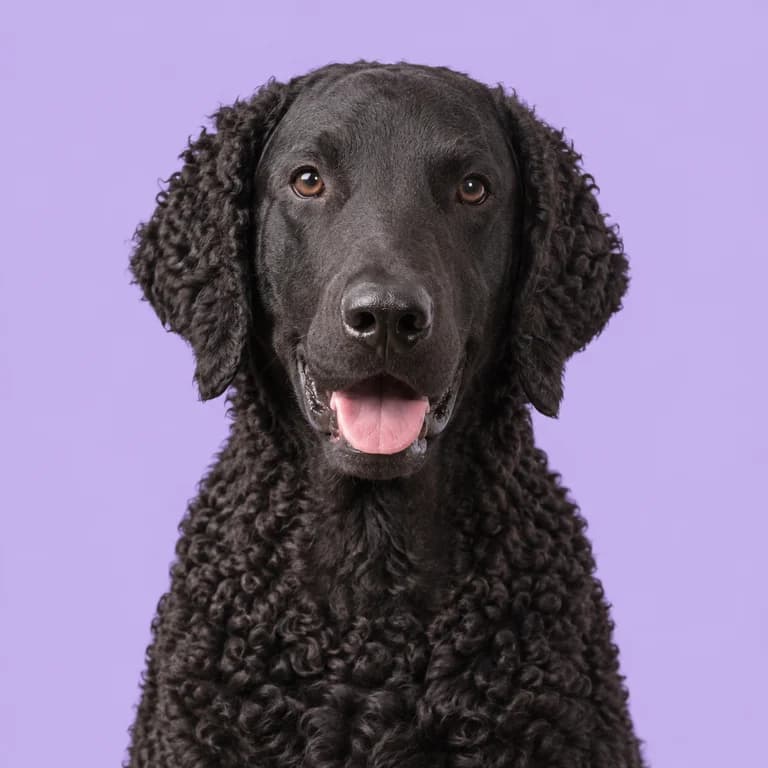
Curly-Coated Retriever
27 to 36 kg · 10 to 12 years
The tallest and perhaps most independent retriever, wrapped in a waterproof coat of tight curls you should never brush.
Sporting group
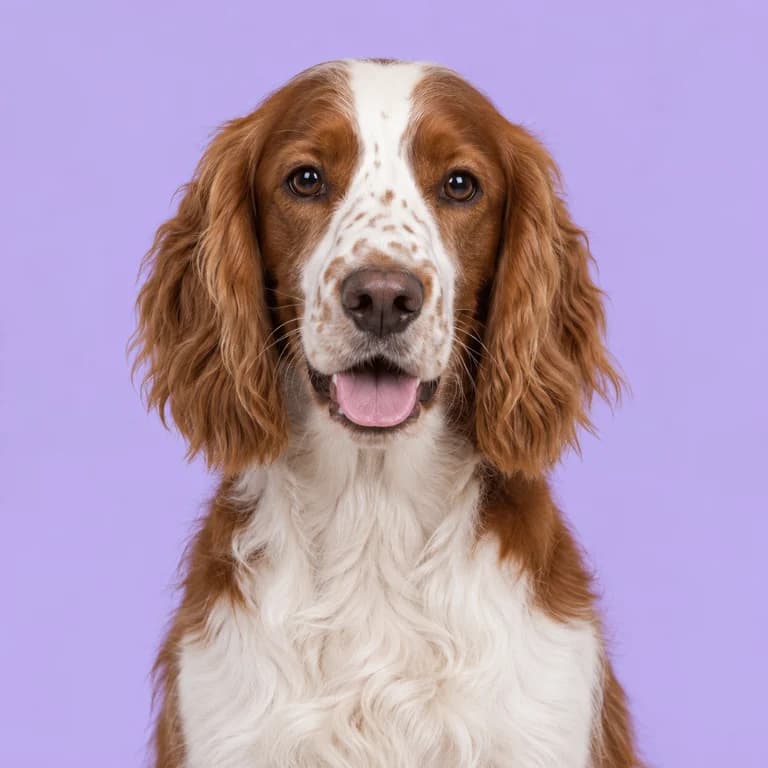
Welsh Springer Spaniel
16 to 25 kg · 12 to 15 years
A red-and-white Welsh gundog that learns best through partnership, patience and plenty of miles.
Sporting group
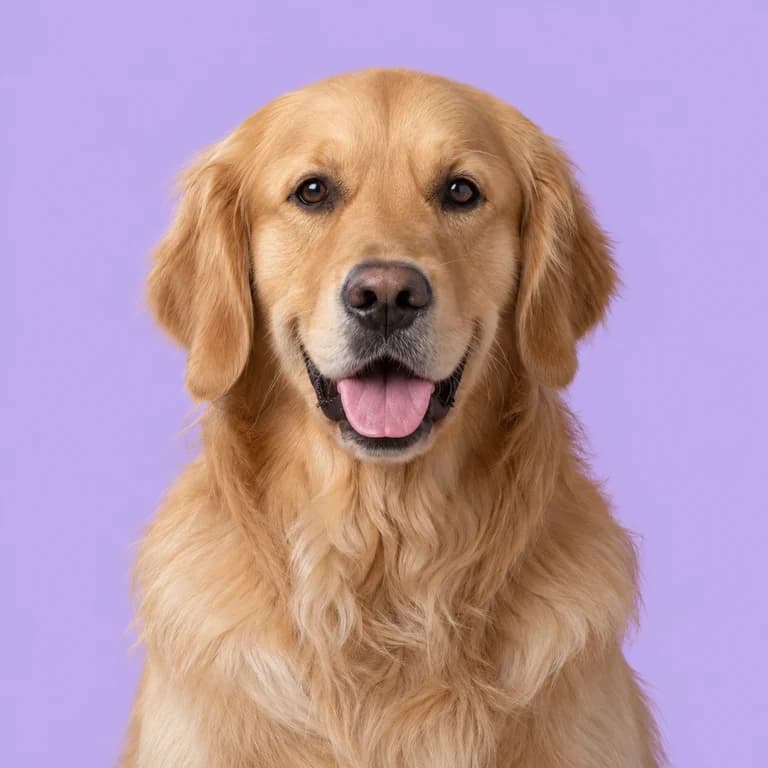
Golden Retriever
25 to 34 kg · 10 to 12 years
A soft-mouthed Scottish gundog that treats every visitor as a friend and every sock as a gift.
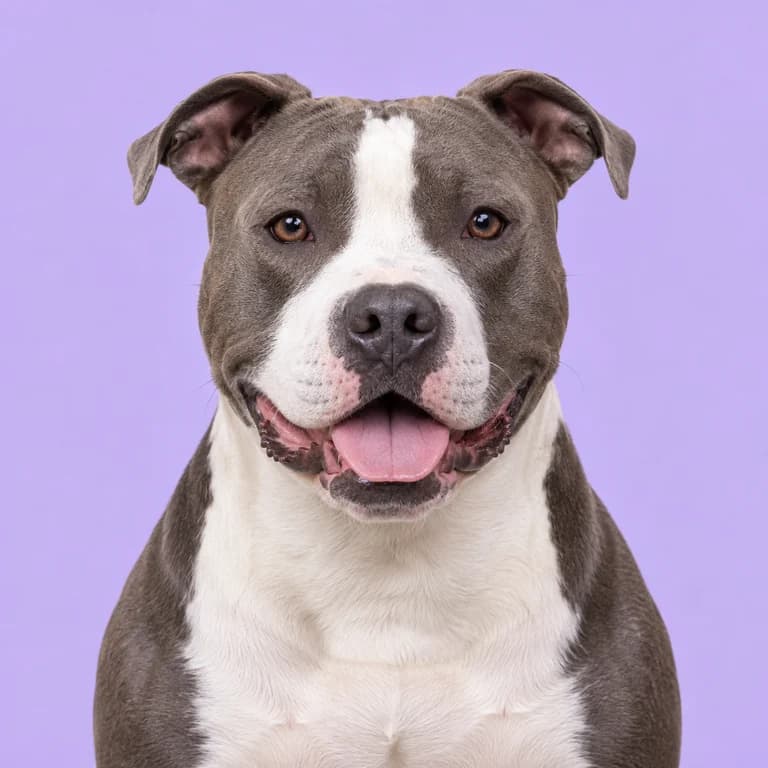
Terrier group
American Staffordshire Terrier
18 to 32 kg · 12 to 15 years
A muscular clown with a soft spot for people, happiest leaning on you or chewing something built to survive it.
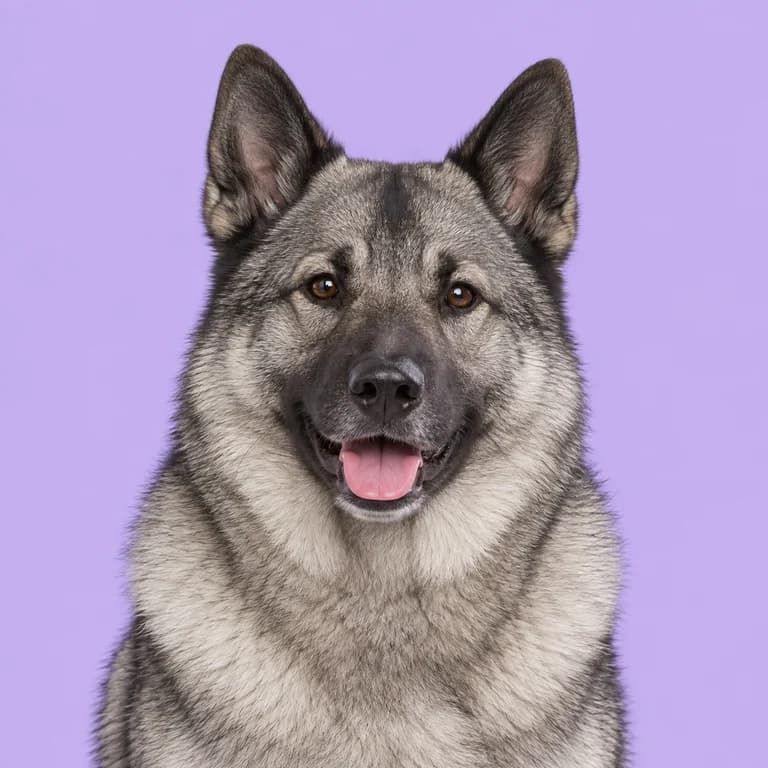
Hound group
Norwegian Elkhound
18 to 25 kg · 12 to 15 years
A silver-grey Nordic hunter bred to find moose and hold them in place with its voice.
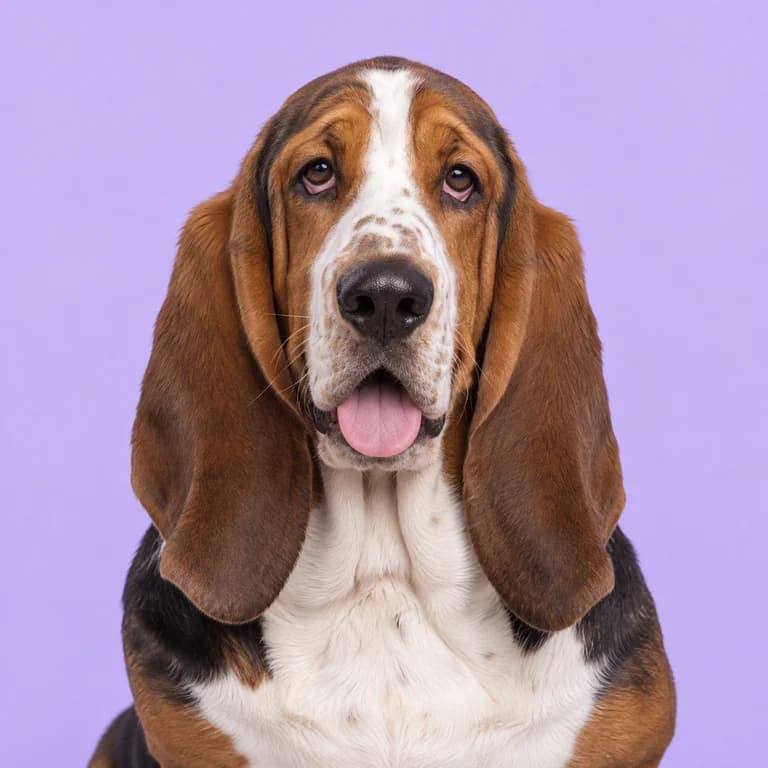
Hound group
Basset Hound
20 to 29 kg · 10 to 12 years
A scent hound nearly as heavy as a Labrador, built on legs barely 35 cm tall.