Sources for this article
Sporting group · Wales
Welsh Springer Spaniel
Also called Welshie, Welsh Springer
A red-and-white Welsh gundog that learns best through partnership, patience and plenty of miles.
The Welsh Springer is a hard-working flushing spaniel from Wales, a little smaller and much rarer than its English cousin and more reserved with strangers. It bonds closely with its people, learns willingly when training is gentle and consistent, and does not enjoy being left alone.
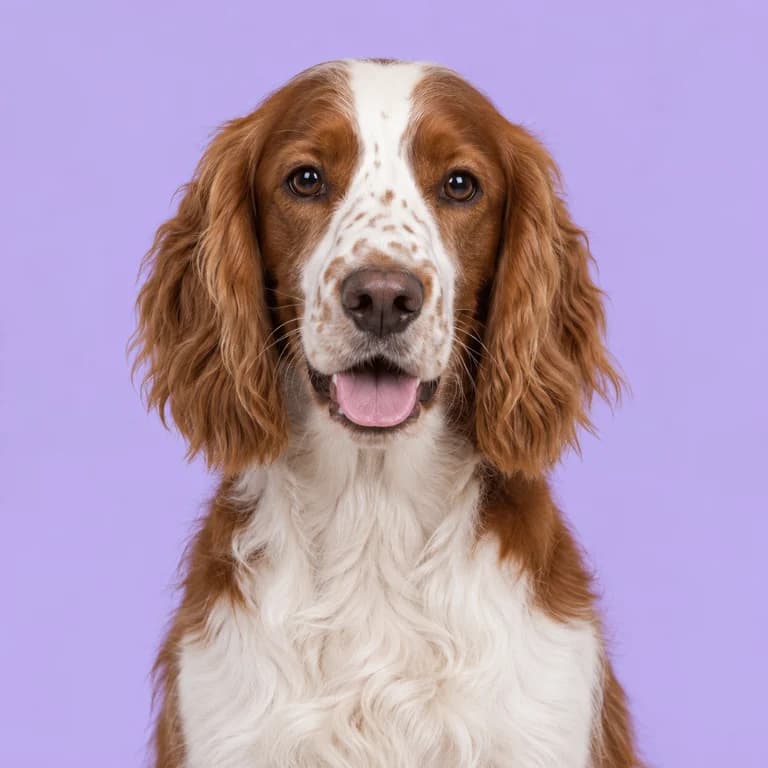
Original AI-generated breed illustration
Weight
16 to 25 kg
35 to 55 lb
Height
43 to 48 cm
at the shoulder
Life expectancy
12 to 15 yrs
Activity estimate
90 to 120 min
editorial daily planning range
Adult-size estimate
18 months
approximate model input
Life with a Welsh Springer Spaniel
Training a Welsh Springer is less about commands and more about building a working partnership. The breed was developed to hunt close to a person on foot, flushing birds from dense cover and bringing them back, and it still wants to know where you are and what you want next. Handled with patience, it becomes a responsive, affectionate companion. Pushed too hard, it can turn worried or quietly stubborn.
Red-and-white spaniels have worked in Wales for centuries, prized by local hunters for their stamina in rough, wet country. They were often called Welsh Starters for the way they 'started' game from cover. The Kennel Club recognized them as a separate breed in 1902. Through the 20th century they stayed a working dog first, and today they remain far less common than the English Springer.
At home, Welshies are classic shadow dogs, following family members from room to room. They are affectionate and playful but can be reserved or even aloof with strangers, which surprises people expecting a typical outgoing spaniel. Given enough exercise and company, they are gentle, steady and easy to live with.
What stands out
Training
Welsh Springers learn quickly but are sensitive, reading tone and body language closely. Rewards of food, toys and praise work far better than corrections, and short, varied sessions keep them engaged. A harshly handled Welshie tends to become anxious or simply switch off.
Read the full training guideEasy to train
Open with strangers
Good with other dogs
A great match for
- active owners who hike or run
- homes where someone is around most of the day
- gundog work and field training
- families with older children
- owners who enjoy regular training
Think twice if
- struggles with long periods alone
- reserved or shy with strangers
- strong nose can override recall
- ear infections under heavy ears
- slow to mature
Personality and needs at a glance
Living together
Good with children
Good with other dogs
Open with strangers
Apartment friendly
Copes with alone time
Energy and character
Energy level
Playfulness
Easy to train
Barking
5 means very vocal
Care and climate
Grooming needs
Shedding
Drooling
Handles cold
Handles heat
How much a Welsh Springer Spaniel eats
Illustrative calculations for neutered adults at midpoint breed weights, with food at 370 kcal per 100 g and 100 g per cup. These are not measured breed requirements. Use actual weight, the food label and veterinary body-condition advice.
| Dog | Weight | Calories | Dry food |
|---|---|---|---|
| Female, relaxed lifestyle | 20 kg | 910 kcal | 245 g (2.5 cups) |
| Female, typical pet | 20 kg | 1040 kcal | 280 g (2.8 cups) |
| Male, typical pet | 22 kg | 1120 kcal | 300 g (3 cups) |
| Male, very active | 22 kg | 1400 kcal | 380 g (3.8 cups) |
Care guides for the Welsh Springer Spaniel
Things owners are often surprised by
- 1Rich red and white is the only accepted color.
- 2The Kennel Club recognized the breed as a distinct spaniel in 1902.
- 3Local hunters once called them Welsh Starters, for their knack of starting game from cover.
- 4Males stand about 46 to 48 cm (18 to 19 in), smaller than the English Springer.
- 5The ears are shorter and shaped like a vine leaf, a quick way to tell the breed apart.
Welsh Springer Spaniel questions
What is the difference between a Welsh Springer and an English Springer Spaniel?
Welsh Springers are smaller, typically 43 to 48 cm (17 to 19 in), and always red and white, while English Springers stand up to about 51 cm (20 in) and are usually liver or black with white. The Welshie has shorter, vine-leaf-shaped ears. Temperament differs too: Welsh Springers tend to be more reserved with strangers and more intensely bonded to their own family.
Are Welsh Springer Spaniels good for first-time owners?
They can be, if the owner is active and at home for much of the day. Their sensitivity means they respond well to gentle, positive training, which suits beginners. Their exercise needs, dislike of being alone and reserve with strangers do take effort, though. Working with a trainer and joining gundog or obedience classes early makes the first two years much smoother.
Can Welsh Springer Spaniels be left alone?
Not for long. Many find separation hard and become vocal or destructive. Build alone time gradually from puppyhood, starting with a few minutes and extending slowly, and pair departures with a long-lasting chew. Most adults can manage three to four hours, but a dog walker, daycare or a family member at home is the answer for longer absences.
Are Welsh Springer Spaniels rare?
Yes, compared with English Springers. Far fewer puppies are registered each year in the UK, and the breed is uncommon in North America and much of Europe. That means you may wait a while for a puppy from a reputable breeder. Contact the national breed club, visit shows and working tests, and expect a waiting list.
Why is my Welsh Springer shy with strangers?
Reserve with unfamiliar people is a known trait of the breed, not a sign that something went wrong. Welshies often need time to warm up. Let your dog approach new people at its own pace, ask visitors to ignore it at first and toss treats rather than reach out, and never force contact. Steady, positive experiences usually build confidence over months.
Popular answers for owners
- Puppy feeding and growthHow do I stop one puppy in a litter from eating the other's food?
- Bowls and feeding gearAre silicone or fabric travel bowls better?
- How much to feedHow much should I feed a 30 lb dog?
- Bowls and feeding gearWhere should I put my dog's food bowl?
- Puppy feeding and growthHow many meals a day does a large breed puppy need?
- Puppy feeding and growthWhen can puppies start having chew treats?
Breeds you might compare
Sporting group
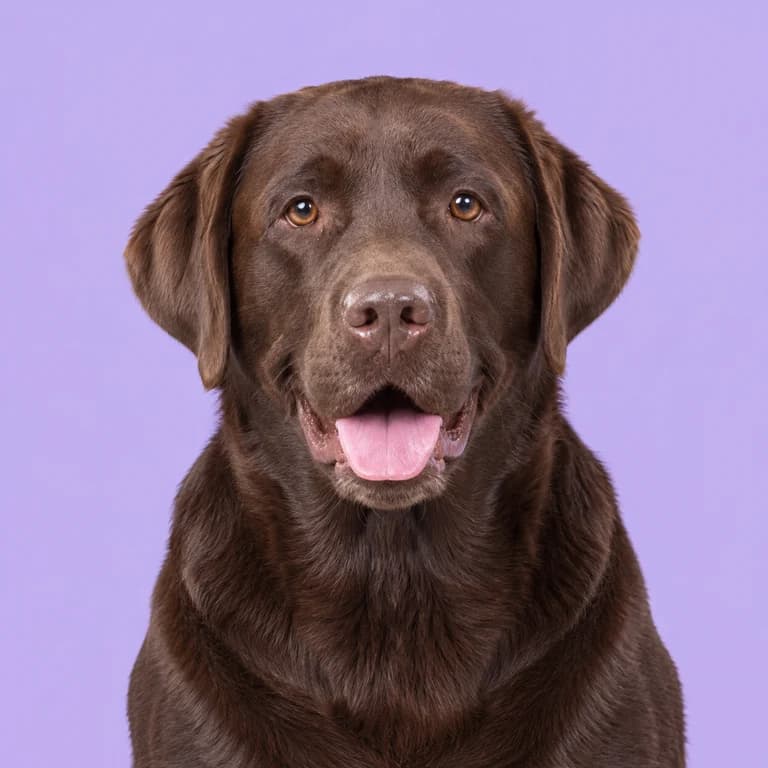
Labrador Retriever
25 to 36 kg · 11 to 13 years
Bred to haul nets in icy Atlantic water, now the family dog that never stops thinking about lunch.
Sporting group
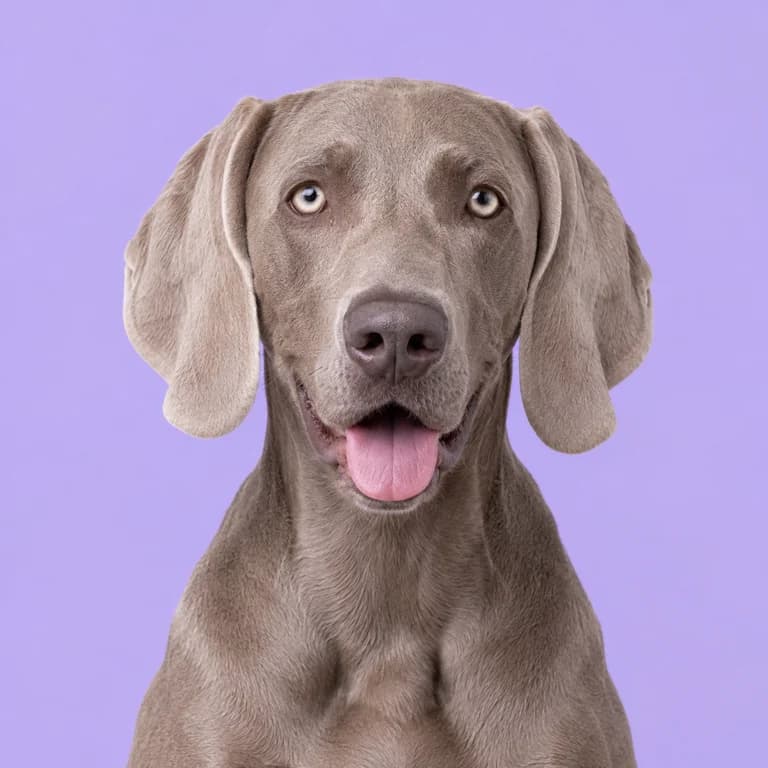
Weimaraner
25 to 41 kg · 10 to 13 years
A silver hunting dog with an athlete's stamina and a constant need to be right beside you.
Sporting group
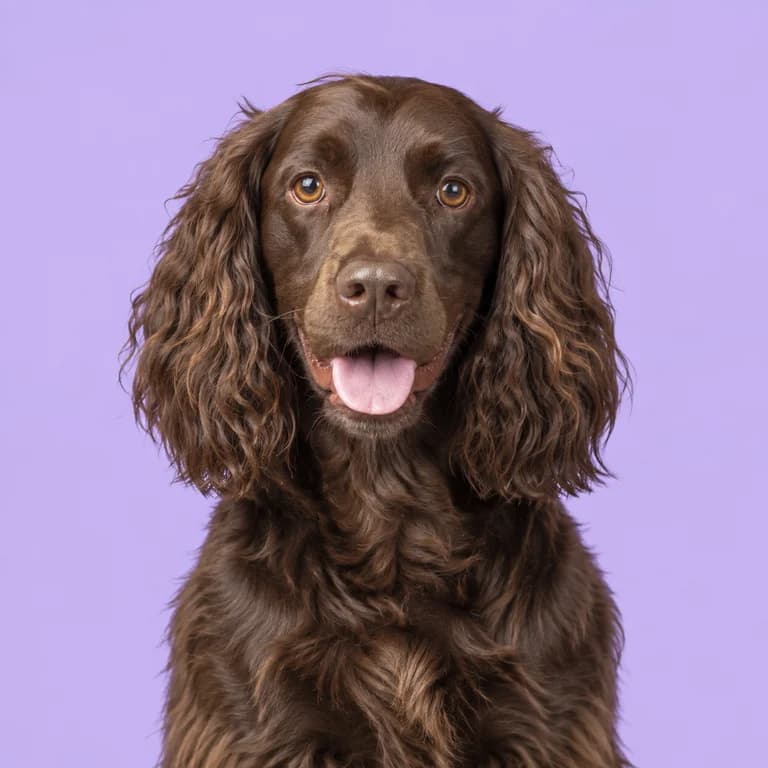
Boykin Spaniel
11 to 18 kg · 12 to 15 years
A compact brown spaniel sized to fit in a small boat, bred in South Carolina swamps for ducks and wild turkey.
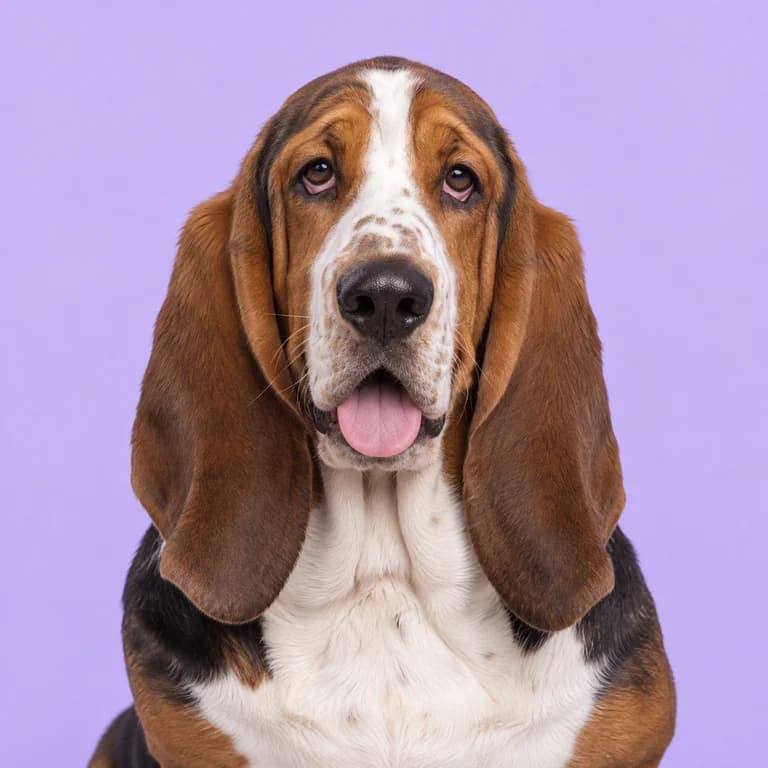
Hound group
Basset Hound
20 to 29 kg · 10 to 12 years
A scent hound nearly as heavy as a Labrador, built on legs barely 35 cm tall.
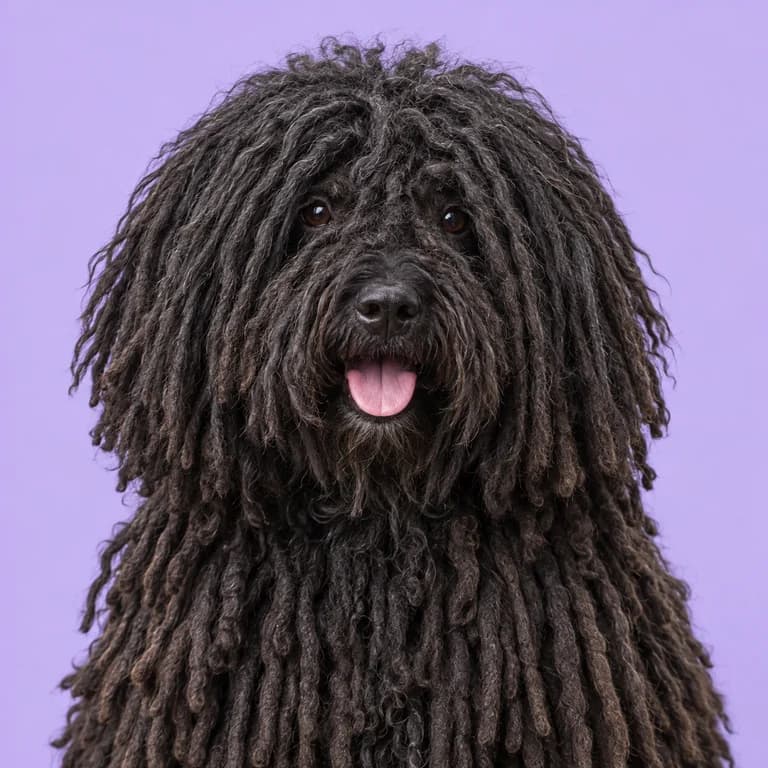
Herding group
Puli
10 to 15 kg · 12 to 16 years
A Hungarian sheepdog wearing its own dreadlocks, quick on its feet and quicker still to notice anything unusual.
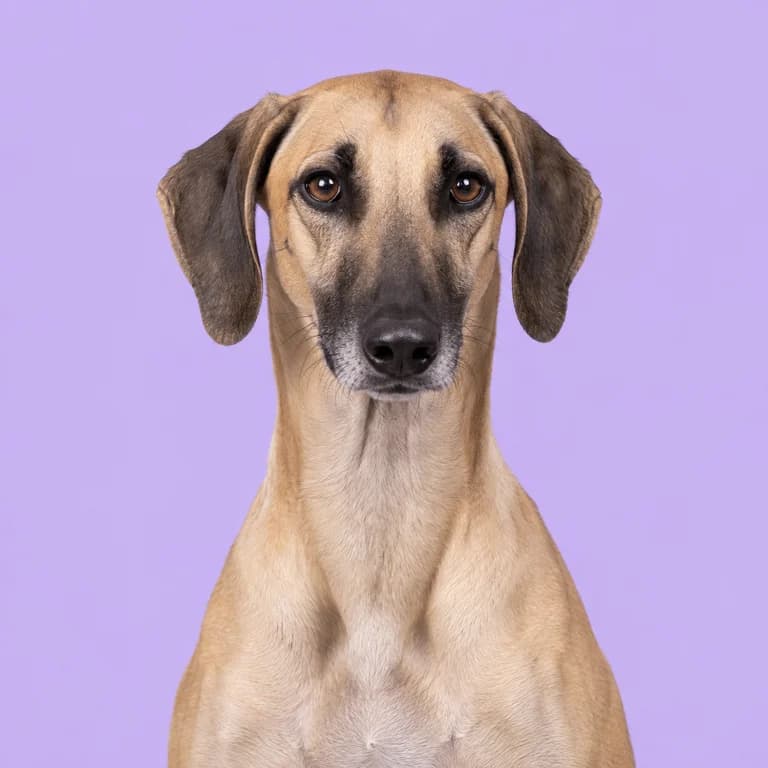
Hound group
Sloughi
18 to 28 kg · 12 to 15 years
A reserved North African sighthound that gives its heart to one family and keeps strangers at a polite distance.