Sources for this article
Working group · Germany
Standard Schnauzer
Also called Mittelschnauzer, Schnauzer
The original Schnauzer, a bearded German farm dog whose wiry coat looks its best when it is plucked by hand.
The Standard Schnauzer is the middle-sized original from which the Miniature and Giant were later developed. It is clever, alert and quietly bossy, a former ratter and farm guard that still wants to know what everyone is doing. Its wiry coat sheds little, but keeping it correct takes regular, skilled grooming.
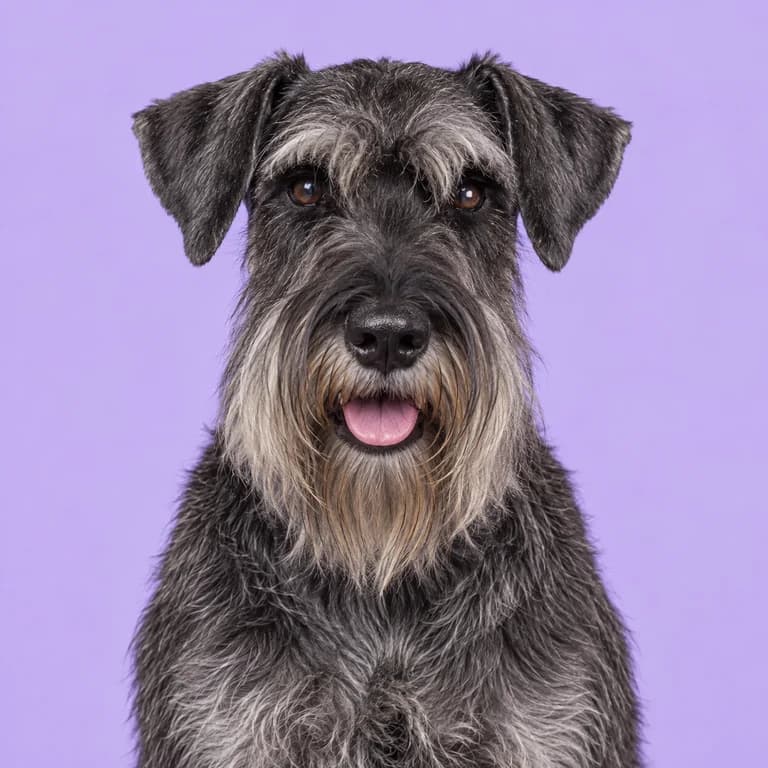
Original AI-generated breed illustration
Weight
14 to 20 kg
31 to 44 lb
Height
44 to 50 cm
at the shoulder
Life expectancy
13 to 16 yrs
Activity estimate
90 to 120 min
editorial daily planning range
Adult-size estimate
18 months
approximate model input
Life with a Standard Schnauzer
If you have met a Miniature or Giant Schnauzer, you have met variations on this dog. The Standard came first. As far back as the 15th and 16th centuries, German artists were painting square, bearded farm dogs at their owners' feet, and those dogs look remarkably like the modern breed.
In the villages of Württemberg and Bavaria, Schnauzers guarded carts on the way to market, kept stables free of rats and warned of strangers at the farm gate. They were first shown in 1879 as Wire-haired Pinschers, and a breed club was established in 1895. During the First World War they worked as dispatch carriers and Red Cross dogs.
Today's Standard is a sharp, energetic companion that has not forgotten its guarding past. It is affectionate and playful with family, reserved and sometimes suspicious with strangers, and sensitive to changes in routine. Many are exceptionally good with children they know, and they have a sense of humor to match.
The coat shapes the ownership experience more than anything else. A wiry, low-shedding coat appeals to people who want less hair on the sofa, but it comes with a grooming commitment that surprises many new owners. The method you choose, hand-stripping or clipping, changes how your dog looks and how its coat feels.
What stands out
Grooming
Grooming is the defining commitment of this breed. The correct coat is harsh and wiry, and the traditional way to keep it that way is hand-stripping: pulling out dead outer hair with fingers or a stripping knife so new, hard coat can grow in. A full strip is usually done every 4 to 6 months, and many owners 'roll' the coat instead, removing a little every few weeks so it always looks tidy.
Read the full grooming guideIllustrative grooming schedule based on our editorial coat-care score. Adjust it to the individual coat and professional advice.
Brushing
4 to 5 times a week
Bathing
Every 3 to 6 weeks
Shedding
Light
Nail trim
Every 3 to 4 weeks
A great match for
- owners who want a low-shedding medium dog
- families with children who respect dogs
- people who enjoy training and dog sports
- those willing to budget time or money for grooming
Think twice if
- regular hand-stripping or clipping needed
- suspicious of strangers without socialization
- can be bossy with other dogs
- a wet, dripping beard after drinking
Personality and needs at a glance
Living together
Good with children
Good with other dogs
Open with strangers
Apartment friendly
Copes with alone time
Energy and character
Energy level
Playfulness
Easy to train
Barking
5 means very vocal
Care and climate
Grooming needs
Shedding
Drooling
Handles cold
Handles heat
How much a Standard Schnauzer eats
Illustrative calculations for neutered adults at midpoint breed weights, with food at 370 kcal per 100 g and 100 g per cup. These are not measured breed requirements. Use actual weight, the food label and veterinary body-condition advice.
| Dog | Weight | Calories | Dry food |
|---|---|---|---|
| Female, relaxed lifestyle | 16 kg | 780 kcal | 210 g (2 cups) |
| Female, typical pet | 16 kg | 900 kcal | 240 g (2.5 cups) |
| Male, typical pet | 18 kg | 980 kcal | 265 g (2.8 cups) |
| Male, very active | 18 kg | 1220 kcal | 330 g (3.3 cups) |
Care guides for the Standard Schnauzer
Things owners are often surprised by
- 1Albrecht Dürer and Rembrandt both painted dogs that look strikingly like Standard Schnauzers.
- 2The breed was first exhibited in Germany in 1879 under the name Wire-haired Pinscher.
- 3The word 'Schnauze' is German for snout, a nod to the breed's bearded muzzle.
- 4A full hand-strip is usually done every 4 to 6 months and can take a groomer 2 to 4 hours.
- 5Standard Schnauzers carried dispatches and served as Red Cross dogs in the First World War.
Standard Schnauzer questions
Is the Standard Schnauzer hypoallergenic?
No dog is fully hypoallergenic, because allergens come from skin, saliva and urine as well as hair. Standard Schnauzers shed very little, especially when hand-stripped, so some people with mild dog allergies cope better with them than with heavy shedders. Spend several hours with adult Schnauzers before committing, and keep bedding washed and floors vacuumed to reduce allergen levels at home.
What is the difference between Standard, Miniature and Giant Schnauzers?
They are three separate breeds, not size varieties. The Standard is the original, at about 44 to 50 cm (17 to 20 in). The Miniature was developed later, probably with Affenpinscher and Poodle input, and stands around 30 to 36 cm. The Giant was bred up with larger working dogs for cattle driving and guarding, reaching about 60 to 70 cm. Temperaments differ as well as size.
Should I hand-strip or clip my Standard Schnauzer?
Hand-stripping keeps the harsh texture, rich color and weather resistance of the coat and is required for showing. It takes more time and costs more at a groomer. Clipping is faster and cheaper but softens and lightens the coat over time. For many pet owners a mix works: clip the body and strip lightly, or learn to roll the coat yourself between professional sessions.
Why is my Schnauzer's beard turning brown?
Reddish-brown staining around the mouth usually comes from saliva, food and water sitting in the hair. Wiping the beard after meals, rinsing it with water now and then, and using stainless steel or ceramic bowls helps. If the staining comes with a strong smell, red skin, licking or scratching at the face, ask your vet to look, as irritation or dental problems can be involved.
Are Standard Schnauzers good guard dogs?
They make excellent watchdogs: alert, vocal about strangers and protective of their home and people. They are medium-sized, so they deter more by noise and attitude than by bulk. Socialization is important to keep that natural suspicion balanced, so your Schnauzer can tell the difference between a welcome guest and a real concern.
Popular answers for owners
- Bowls and feeding gearWhat is the biofilm in a dog's water bowl?
- Bowls and feeding gearDoes bowl placement affect how fast a dog eats?
- Grooming and coatWhat is a puppy cut?
- Grooming and coatHow do I detangle a curly coat without shaving it?
- Grooming and coatIs it safe to use detangling spray every day?
- Grooming and coatWhy does my dog growl when I brush him?
Breeds you might compare
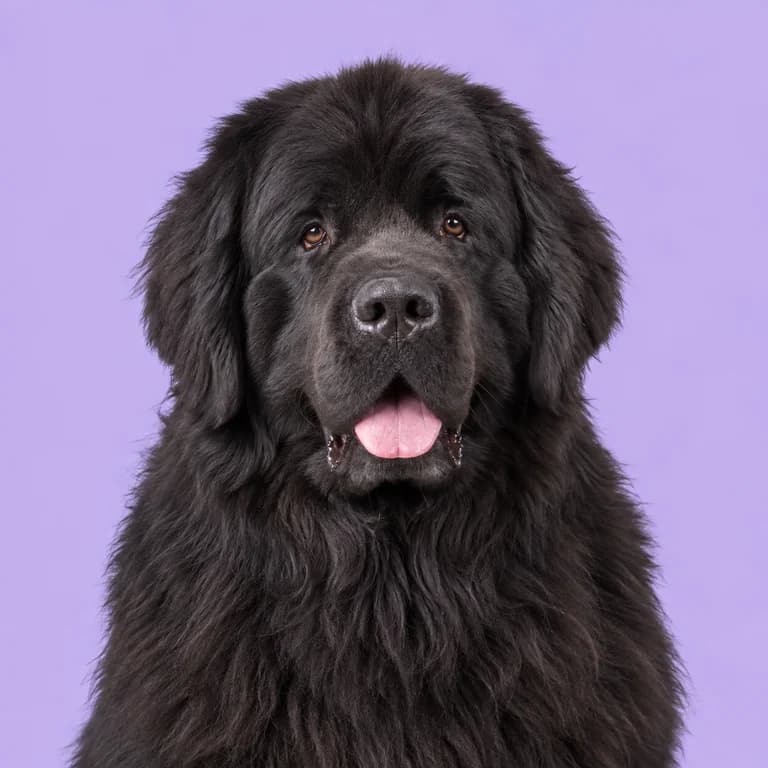
Working group
Newfoundland
45 to 70 kg · 8 to 10 years
A gentle giant with webbed feet, a lifesaving instinct in water and a drool towel never far away.
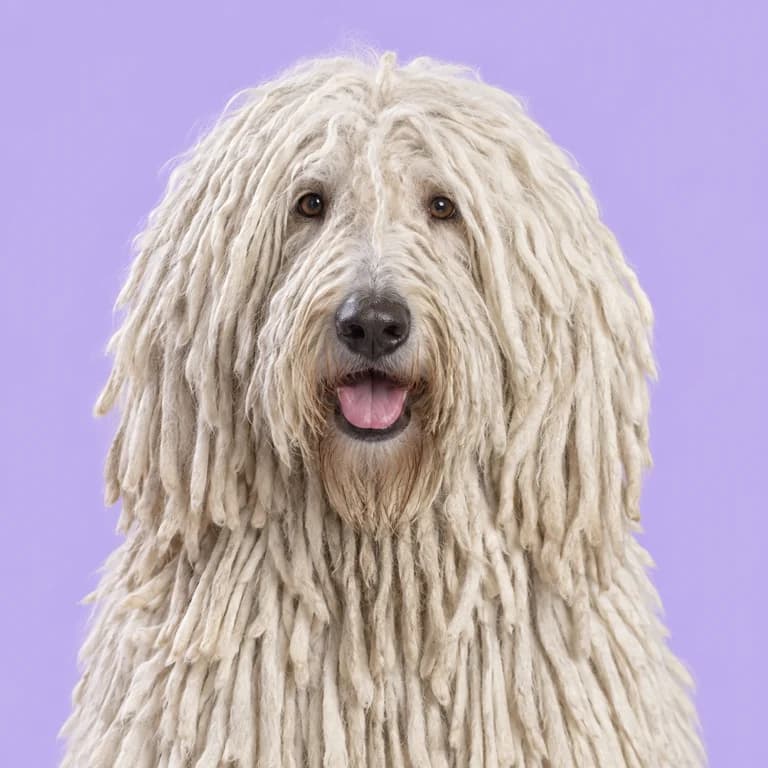
Working group
Komondor
40 to 60 kg · 10 to 12 years
A Hungarian flock guardian wrapped in heavy white cords, serious about its job and slow to trust outsiders.
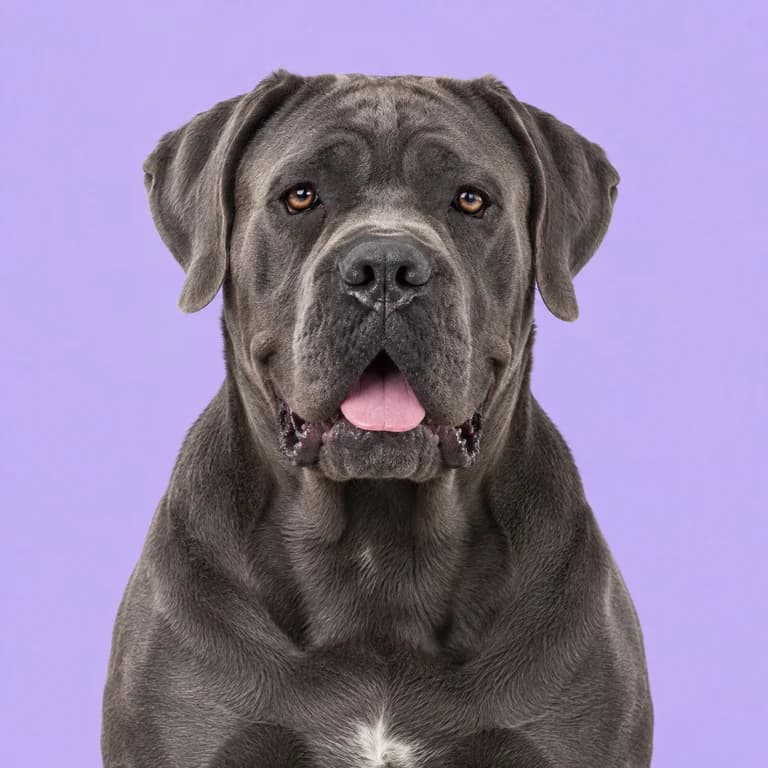
Working group
Cane Corso
40 to 50 kg · 9 to 12 years
A quiet, watchful Italian guardian that bonds deeply with its own people and needs a calm, consistent handler.
Sporting group
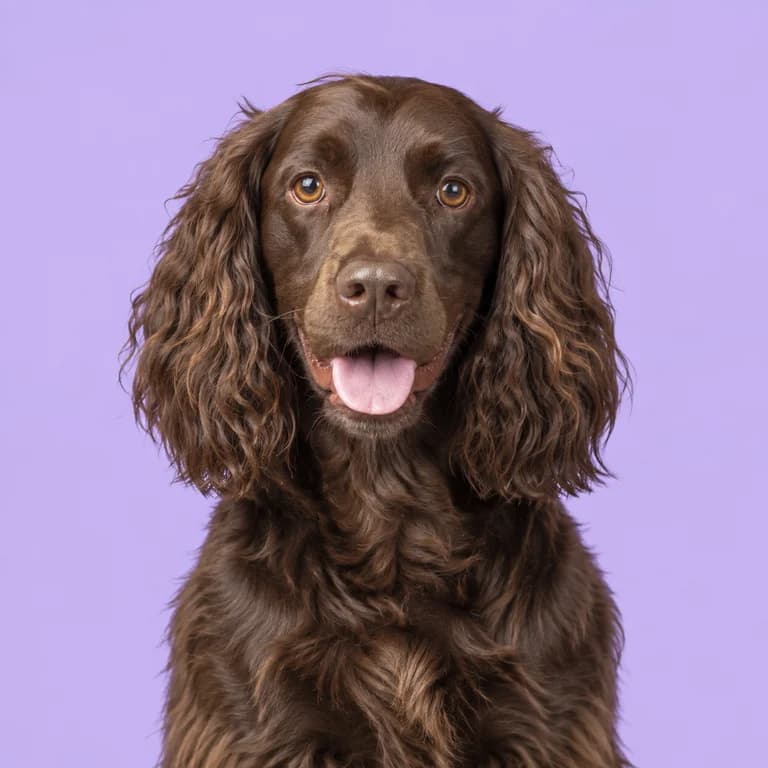
Boykin Spaniel
11 to 18 kg · 12 to 15 years
A compact brown spaniel sized to fit in a small boat, bred in South Carolina swamps for ducks and wild turkey.
Sporting group
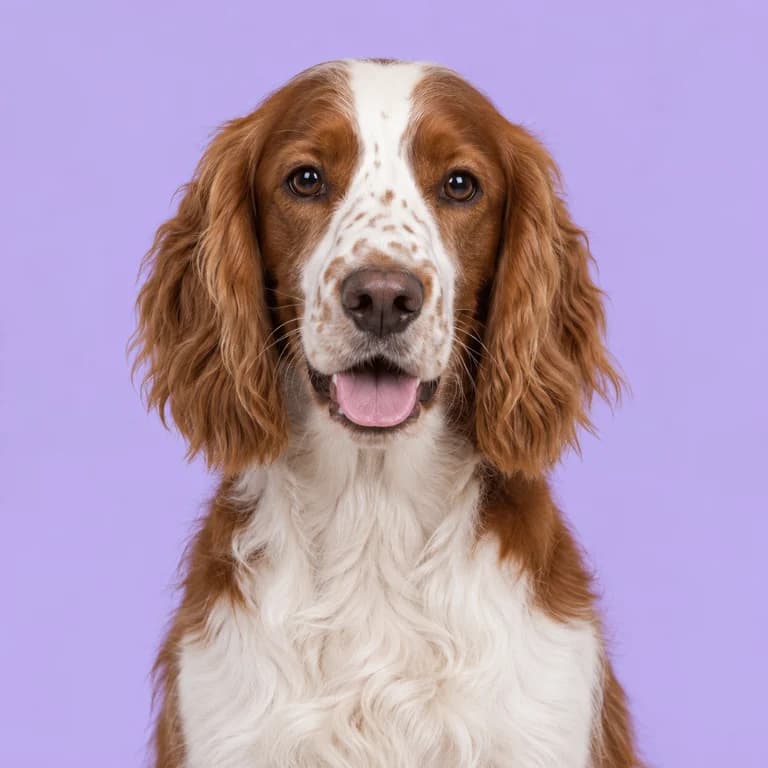
Welsh Springer Spaniel
16 to 25 kg · 12 to 15 years
A red-and-white Welsh gundog that learns best through partnership, patience and plenty of miles.
Herding group
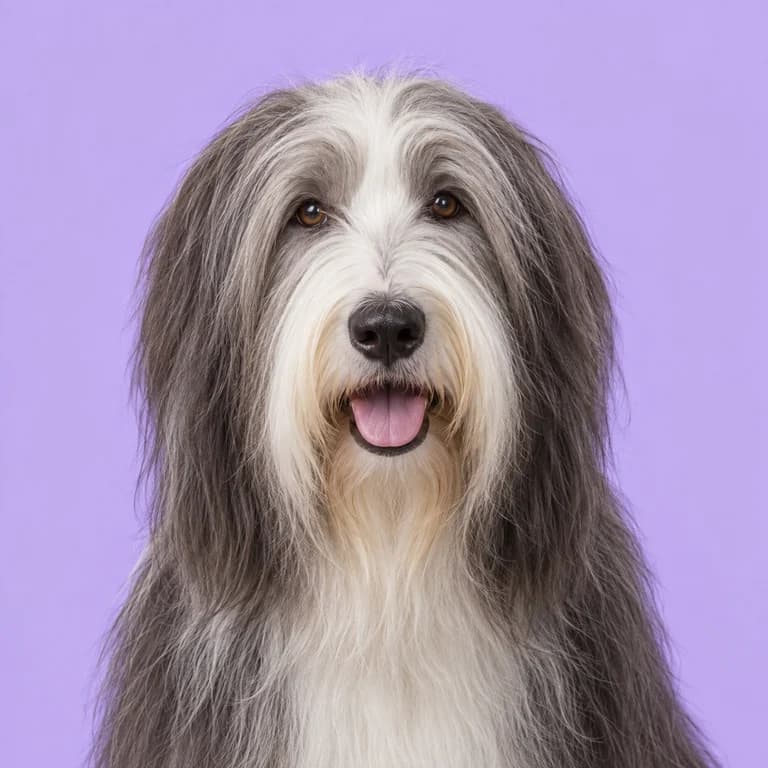
Bearded Collie
18 to 25 kg · 12 to 14 years
A shaggy Scottish drover with a bounce in every step and a sense of humor to match.