Most grooming problems start with a mismatch between coat and tool. A Border Collie brushed only with a soft bristle brush looks tidy on top while dead undercoat packs down against the skin. A Bichon that gets a monthly bath but is never combed to the root can hide felted mats that pinch every time it moves. The coat type decides which tools you need, how often you use them and whether a professional groomer belongs in your calendar at all.
Below you will find a quick way to identify your dog's coat, a weekly routine for each of the seven main types, sensible bathing intervals, and the order of a proper at-home session. Crossbreeds often carry a blend of two coats, so read the two closest types and borrow from both.
Identify your dog's coat in two minutes
Part the hair against the direction of growth with your fingers, somewhere on the back or flank. If you see a dense, soft, woolly layer underneath longer guard hairs, your dog has a double coat. If each hair looks similar from tip to root, it is a single coat. Then look at length and texture: flat and short, long and silky, tightly curled, harsh and wiry, or hanging in cords.
The seven categories below cover almost every dog. Many doodle and poodle crosses land between curly and long silky, and their coat can change texture between 6 and 12 months of age, so check again after the adult coat comes in.
- Smooth short coat: Boxer, Dalmatian, Whippet, Beagle
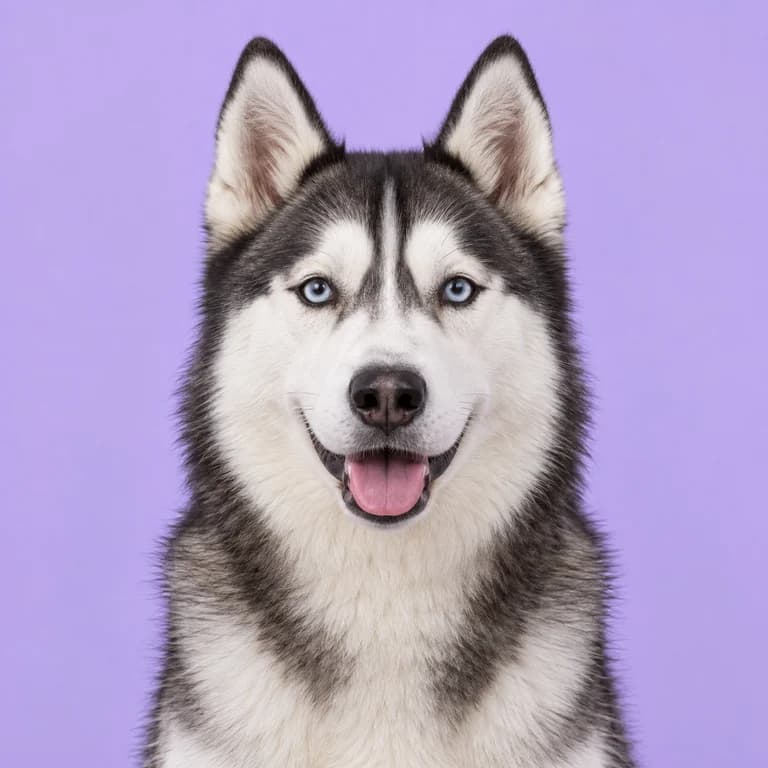
- Double coat: Siberian Husky, German Shepherd, Golden Retriever, Samoyed
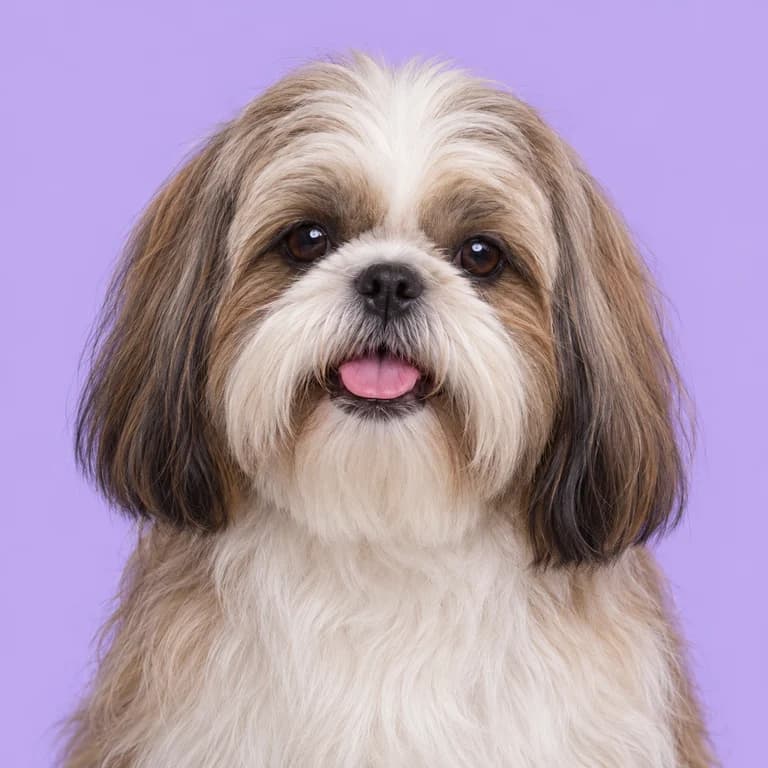
- Long silky coat: Shih Tzu, Yorkshire Terrier, Maltese, Afghan Hound
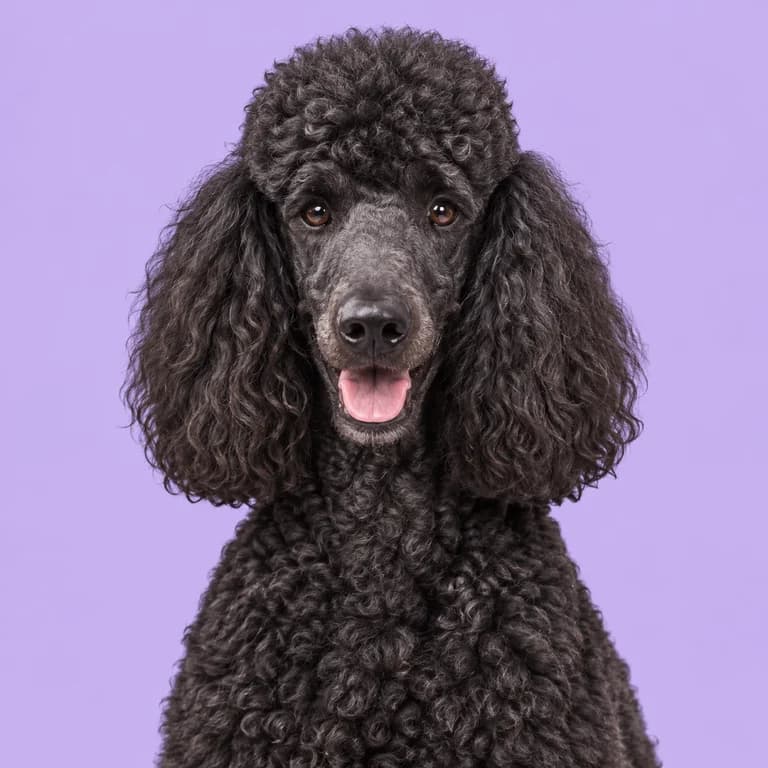
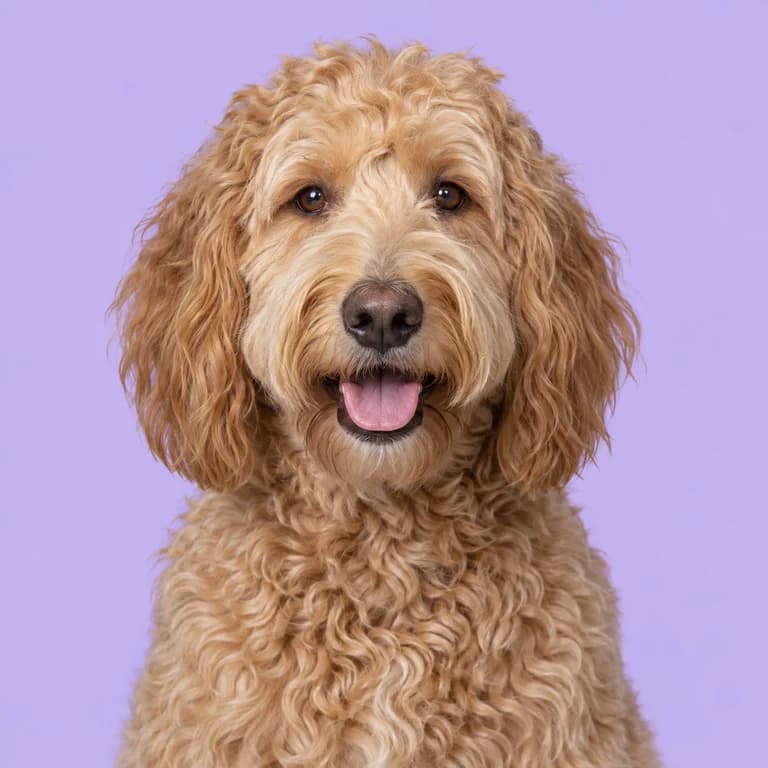
- Curly low-shedding coat: Poodles, Bichon Frise, most doodles
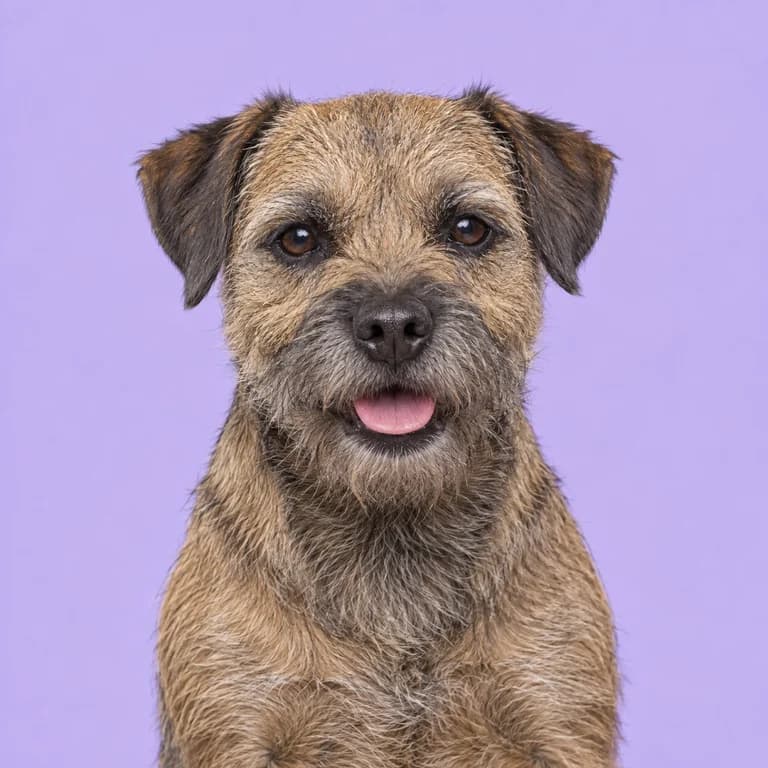
- Wire coat: Border Terrier, Schnauzers, Airedale Terrier
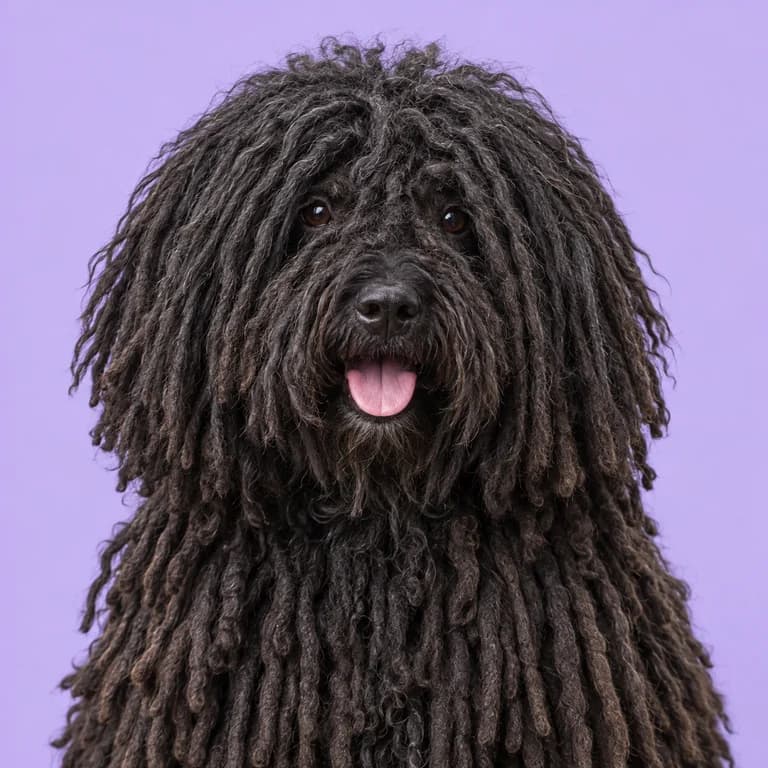
- Corded coat: Puli, Komondor
- Hairless or near-hairless: Chinese Crested, Xoloitzcuintli
A weekly routine for each coat type
Use the table as your baseline. The brushing times assume a medium-sized dog whose coat is already in reasonable condition. A neglected coat takes several longer sessions to bring back, and it is kinder to spread that work over a week than to spend an hour tugging at knots in one go.
| Coat type | Main tools | Home brushing | Professional help |
|---|---|---|---|
| Smooth short | Rubber curry mitt, bristle brush | Once a week, 5 minutes | Rarely needed |
| Double | Undercoat rake, slicker brush, wide-toothed comb | 2 to 3 times a week, daily in shedding season | Optional deshedding session 2 times a year |
| Long silky | Pin brush, slicker, fine metal comb | Daily, 10 to 15 minutes | Trim every 6 to 8 weeks or keep a short cut |
| Curly low-shedding | Slicker brush, metal comb | 3 to 4 times a week, to the skin | Clip every 6 to 8 weeks |
| Wire | Stripping knife or fingers, slicker, comb | Weekly brush and comb | Hand-stripping 2 to 4 times a year |
| Corded | Fingers for splitting cords | Weekly cord separation | Occasional help with washing and drying |
| Hairless | Soft cloth, gentle dog shampoo | Weekly skin wipe or wash | Rarely needed |
Double coats: work through the undercoat, never shave it
The trick with a double coat is line brushing. Lift a section of hair with one hand, brush the layer underneath down and away from the skin, then move the parting up by 2 or 3 cm (about 1 in) and repeat. Working in rows like this reaches the undercoat that a quick top brush skips. An undercoat rake pulls loose fluff out, and a slicker smooths what remains.
Most double-coated breeds blow their undercoat twice a year, usually in spring and autumn, and each shed lasts about 2 to 4 weeks. During that stretch a daily 10-minute session saves hours of hoovering. A lukewarm bath followed by a thorough dry with a cool, forceful dryer loosens huge amounts of hair at once.
Shaving a Husky or Golden Retriever for summer tends to backfire. The double coat insulates against heat as well as cold, shields the skin from sunburn, and can regrow patchy or woolly after a close clip. Regular deshedding keeps these dogs cooler than a shave does.
Long, curly and doodle coats: stop mats before they form
Mats start where hair rubs or stays damp. Check behind the ears, the armpits, the collar or harness line, between the hind legs, around the tail base and on the lower legs after wet walks. After brushing with a slicker, run a metal comb through to the skin. If the comb snags, you have found a tangle, and it is far easier to tease apart with your fingers now than in a week.
Never try to cut a tight mat out with scissors. The skin lifts into the mat and it is very easy to slice it. Small tangles can be worked loose with a comb held close to the skin; anything flat and felted against the body is a job for a groomer with clippers.
If brushing three or four times a week is unrealistic, ask for a shorter cut. A trim that leaves about 2 to 3 cm (roughly 1 in) of coat all over is far easier to maintain than a fluffy show-style finish, and your dog will be more comfortable than it would be carrying hidden knots.
Wire, corded and hairless coats: the specialist cases
Wire coats are designed to shed dead hair slowly, and hand-stripping helps it along by plucking out hair that is already loose at the root. Done properly it does not hurt; the hair comes away easily. Clipping a wire coat is quicker and perfectly acceptable for a pet, but over time the coat turns softer and paler because the new growth lacks that harsh outer texture.
Corded coats like the Puli's form naturally from about 9 to 12 months of age. Separate new cords down to the skin with your fingers every week so they do not fuse into large sheets. Bathing is an occasion rather than a routine, because a full Komondor coat can take a full day or more to dry, and damp cords can start to smell.
Hairless dogs need skin care instead of coat care. Wipe or wash the skin weekly with a gentle dog shampoo, keep them out of strong midday sun or use a dog-safe sunscreen on exposed areas, and give them a coat in cold weather.
How often to bathe, and how to do it well
For most dogs a bath every 4 to 12 weeks is plenty, with extra rinses after a roll in something foul or a muddy swim. Long and curly coats that are clipped professionally are usually washed at each appointment. Too many baths with a harsh product strip natural oils and can leave the skin dry and itchy.
Always brush out before a bath. Water tightens tangles, so a small knot becomes a solid mat once wet. Use lukewarm water and a shampoo made for dogs, since human products are formulated for a different skin pH. Then rinse for twice as long as feels necessary; leftover shampoo is a common reason for scratching afterwards.
- Put a non-slip mat in the bath or shower tray
- Place a cotton wool ball loosely in each ear to keep water out, and remove it afterwards
- Wet the coat right to the skin before adding shampoo
- Keep water away from eyes and nose; wipe the face with a damp cloth instead
- Dry thick coats completely, as damp undercoat can irritate the skin
A 15-minute session from start to finish
Start with your hands rather than a brush. Run them over the whole body, including the belly, legs and tail, and feel for lumps, scabs, ticks, grass seeds or sore spots. Then brush and comb in sections, check the ears for smell or redness, wipe any discharge from the corners of the eyes, and trim long fur between the pads so your dog has better grip on smooth floors. Finish with a reward, even for an adult dog, so grooming stays pleasant.
Grooming is also the best early warning system you have. Book a vet visit if you find a new lump or one that changes size, bald or scaly patches, red or broken skin, a sour smell from the ears or coat, or scratching that keeps your dog awake at night.
Checklist
- Identify whether your dog has a single or double coat
- Buy the two or three tools listed for that coat type
- Set a weekly brushing schedule and put it in your calendar
- Check the mat hotspots behind ears, armpits and back legs
- Brush out fully before every bath
- Feel for lumps and skin changes during each session
Questions
Can I use a human brush or comb on my dog?
A wide-toothed human comb can work on some coats, but most human brushes do not reach through an undercoat or remove loose dog hair well. Dog slicker brushes, rakes and metal grooming combs are shaped for fur density and length. Buying the right two tools usually halves the time a session takes and makes it more comfortable for your dog.
Why does my doodle get matted even though I brush it?
The most common reason is brushing only the top layer. A slicker glides over the surface while tangles build near the skin. After brushing, run a metal comb through to the root in every area. If it snags, work that spot until the comb passes smoothly. Friction zones such as the harness line and armpits need attention at every session.
Is it cruel to shave a matted dog?
When a coat is badly matted, shaving is usually the kindest choice. Brushing out felted mats pulls on the skin for hours and can cause bruising. A groomer clips the coat short, the skin can breathe again, and the hair regrows over a few months. Afterwards, a regular brushing schedule and a shorter trim prevent a repeat.
How can I tell if my dog is shedding normally or losing too much hair?
Normal shedding is spread evenly across the body and heaviest in spring and autumn for double-coated breeds. Hair loss that leaves bald patches, appears on one area only, or comes with redness, scaling, odor or constant scratching is not normal shedding. Those signs are worth a vet appointment rather than a new brush.