Sources for this article
Terrier group · Ireland
Kerry Blue Terrier
Also called Kerry, Irish Blue Terrier
Born black, turning blue by adolescence, this Irish farm terrier trades shedding for a standing appointment with scissors.
The Kerry Blue Terrier comes from County Kerry in southwest Ireland, where it caught vermin, herded, guarded and even retrieved. Its soft, wavy coat barely sheds but grows without stopping, so owners either learn to clip and scissor or budget for a groomer every six to eight weeks.
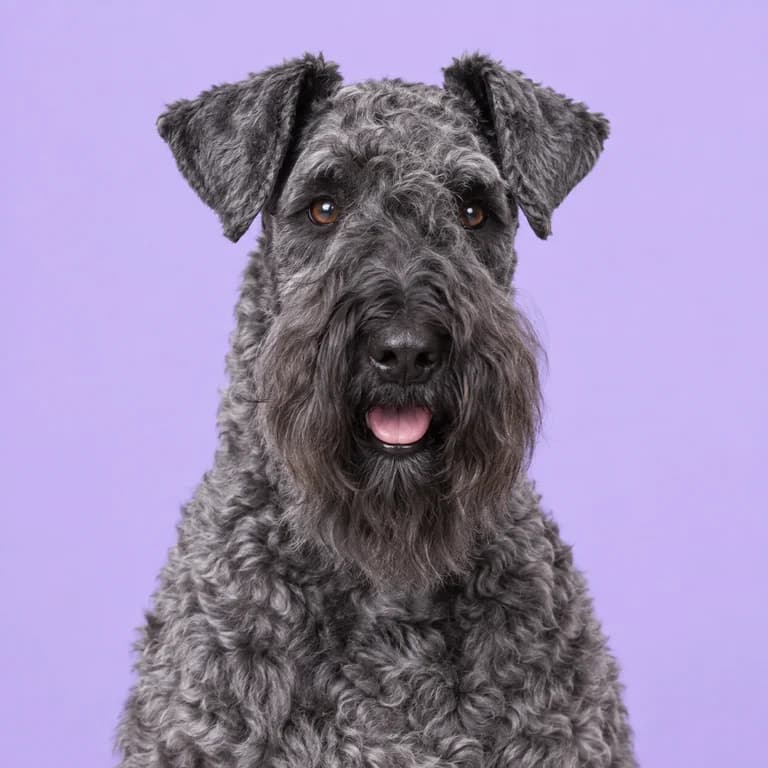
Original AI-generated breed illustration
Weight
14 to 18 kg
31 to 40 lb
Height
44 to 50 cm
at the shoulder
Life expectancy
12 to 15 yrs
Activity estimate
90 to 120 min
editorial daily planning range
Adult-size estimate
18 months
approximate model input
Life with a Kerry Blue Terrier
The coat is what draws people to this breed, and it is also the biggest commitment. A Kerry Blue carries a soft, silky, wavy single coat that keeps growing and does not drop hair around the house the way most breeds do. That appeals to tidy households and to some people with mild allergies, but it means loose hair stays trapped in the coat, where it tangles fast without regular brushing and professional trims.
County Kerry farmers bred these dogs as practical all-rounders, using them to catch rats, otters and badgers, move livestock, guard the property and even retrieve game. The breed first appeared at Irish shows in the early 20th century, initially untrimmed and looking far shaggier than today. It became closely tied to Irish identity, helped by the fact that Michael Collins kept one.
A Kerry is spirited, playful and affectionate with its family, often the household clown. It is also a true terrier: confident, curious, quick to react to other dogs and not shy about sharing opinions. Many Kerries are gentle and patient with children they know while staying watchful and protective of home.
The color change is part of the fun. The puppy you bring home is black, and over roughly the first two years the coat lightens to shades of blue-gray, often keeping darker points on the muzzle, ears, tail and feet. Final color is not settled until around 18 months to 2 years.
What stands out
Grooming
Brush the coat thoroughly two or three times a week with a slicker brush and a metal comb, reaching right down to the skin. Pay particular attention to the beard, the legs, the armpits and behind the ears, where mats form fastest. Loose hair stays in the coat rather than falling out, so skipping brushing for a week can lead to tangles that must be clipped out.
Read the full grooming guideIllustrative grooming schedule based on our editorial coat-care score. Adjust it to the individual coat and professional advice.
Brushing
Daily
Bathing
Every 3 to 6 weeks
Shedding
Minimal
Nail trim
Every 3 to 4 weeks
A great match for
- owners who want a low-shedding dog and accept grooming costs
- active families with older children
- people who enjoy training games and dog sports
- homes where it is the only dog or has an easy-going opposite-sex companion
Think twice if
- professional grooming every 6 to 8 weeks plus brushing at home
- can be quarrelsome with other dogs, especially of the same sex
- strong prey drive toward small animals
- a stubborn, independent streak
- a beard that collects food and water
Personality and needs at a glance
Living together
Good with children
Good with other dogs
Open with strangers
Apartment friendly
Copes with alone time
Energy and character
Energy level
Playfulness
Easy to train
Barking
5 means very vocal
Care and climate
Grooming needs
Shedding
Drooling
Handles cold
Handles heat
How much a Kerry Blue Terrier eats
Illustrative calculations for neutered adults at midpoint breed weights, with food at 370 kcal per 100 g and 100 g per cup. These are not measured breed requirements. Use actual weight, the food label and veterinary body-condition advice.
| Dog | Weight | Calories | Dry food |
|---|---|---|---|
| Female, relaxed lifestyle | 16 kg | 770 kcal | 205 g (2 cups) |
| Female, typical pet | 16 kg | 870 kcal | 235 g (2.3 cups) |
| Male, typical pet | 17 kg | 920 kcal | 250 g (2.5 cups) |
| Male, very active | 17 kg | 1150 kcal | 310 g (3 cups) |
Care guides for the Kerry Blue Terrier
Things owners are often surprised by
- 1Puppies are born black, and the coat gradually clears to blue between about 9 months and 2 years
- 2A popular legend says the breed descends from a blue dog that swam ashore from a shipwreck off the Irish coast
- 3The Irish revolutionary Michael Collins owned a Kerry Blue and reportedly wanted it declared Ireland's national dog
- 4Kerries were all-round farm dogs: ratting, herding sheep and cattle, guarding and retrieving
- 5The single coat has no undercoat, so loose hair stays in the coat instead of drifting around the house
Kerry Blue Terrier questions
Why was my Kerry Blue puppy born black?
All Kerry Blues are born black. The characteristic blue color develops gradually as the coat clears, usually starting around 9 months and finishing between 18 months and 2 years. The final shade can range from deep slate to pale silver-blue, often with darker points on the head, ears, tail and feet. Patchy color during this stage is normal.
Do Kerry Blue Terriers shed?
Very little. The single coat has no undercoat, and loose hairs tend to stay trapped in the coat rather than falling out around the house. That is why brushing is so important: without it, shed hair tangles into mats. Many people with mild allergies find Kerries easier to live with, although no dog is completely allergen free.
Are Kerry Blue Terriers good with other dogs?
It varies. Many Kerries are friendly with dogs they know, but the breed has a reputation for being quick to respond to challenges, especially from dogs of the same sex. Early and ongoing socialization, calm management and careful introductions help a great deal. Many do best as the only dog or with an easy-going companion of the opposite sex.
How much does grooming a Kerry Blue cost?
Expect a professional groom every 6 to 8 weeks, and prices vary widely by region and groomer experience with terrier trims. Over a year, grooming often costs more than food for this breed. Learning to do maintenance trims yourself can reduce costs, but it takes practice and the right clippers and scissors.
Is the Kerry Blue the national dog of Ireland?
It is often called the national terrier of Ireland, and Michael Collins reportedly championed it for that role. However, Ireland has no official national dog, and the Irish Wolfhound and Irish Setter are also strongly associated with the country. The Kerry's place in Irish history and farm life is well documented either way.
Popular answers for owners
- Bowls and feeding gearCan dogs be allergic to plastic bowls?
- Grooming and coatWhat temperature water should I use to bathe my dog?
- Grooming and coatCan I use human shampoo on my dog?
- Grooming and coatDo poodle mixes need grooming more often than other dogs?
- Bowls and feeding gearHow do I know if my dog's bowl is too high?
- Puppy feeding and growthIs it ok to feed a 6 month old puppy just twice a day?
Breeds you might compare
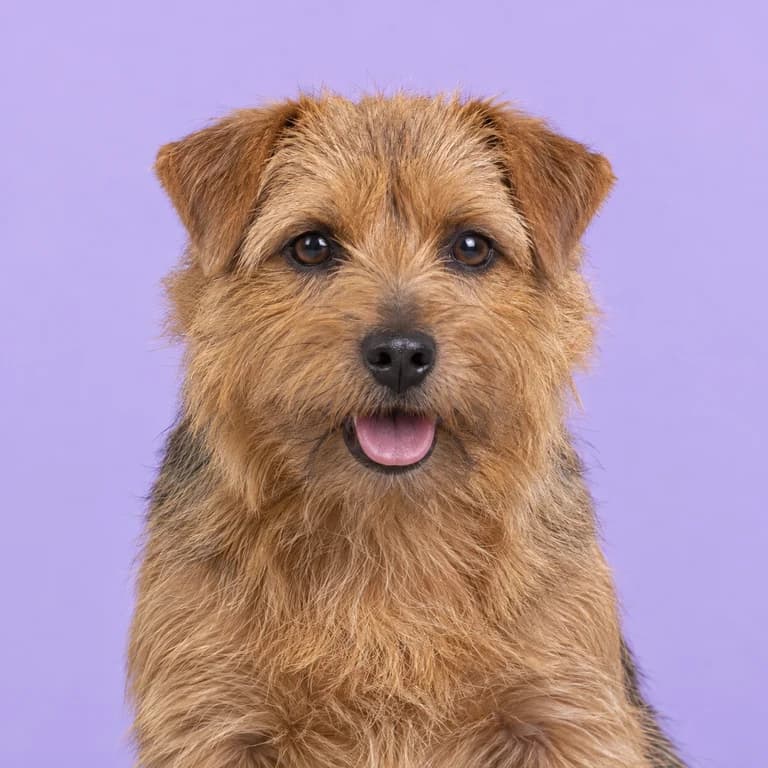
Terrier group
Norfolk Terrier
5 to 6 kg · 12 to 15 years
One of the smallest working terriers, low and sturdy, with folded ears and a notably sociable nature.
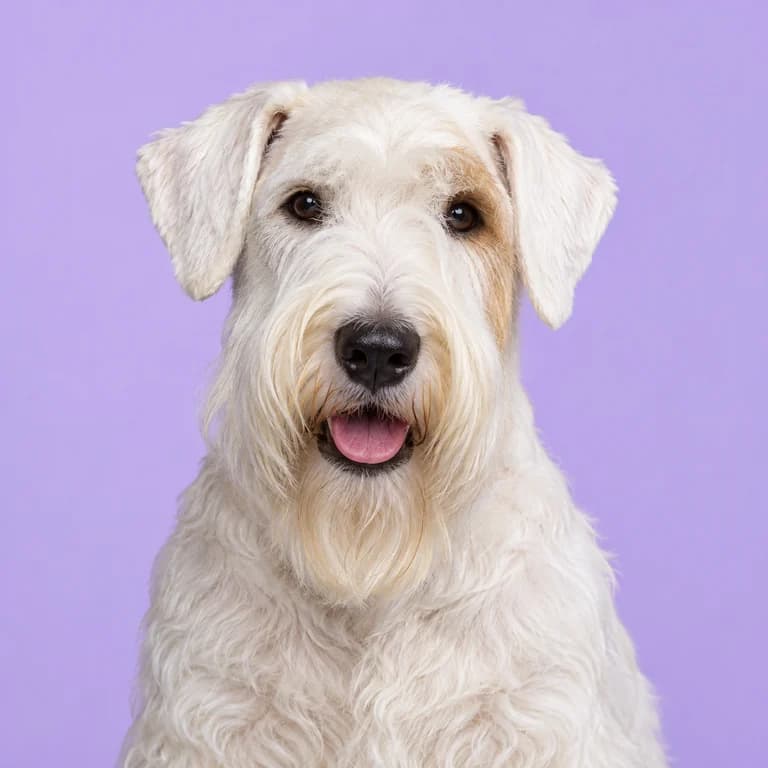
Terrier group
Sealyham Terrier
8 to 11 kg · 12 to 14 years
A sturdy Welsh badger terrier created on one Pembrokeshire estate, now rare, charming and quietly comic.
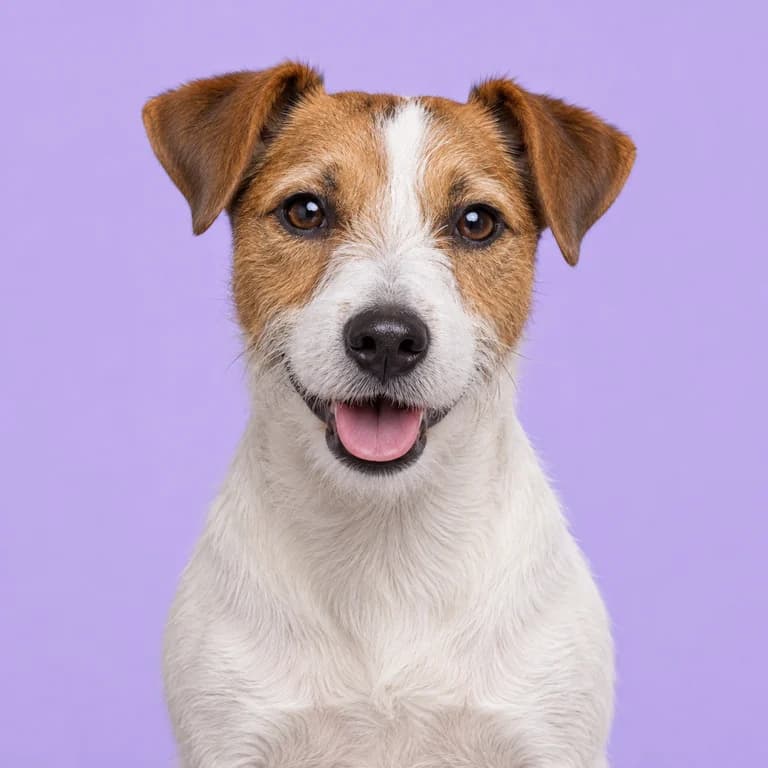
Terrier group
Jack Russell Terrier
5 to 7 kg · 13 to 16 years
A pocket-sized hunter with a huge work ethic that will train you if you do not train it first.
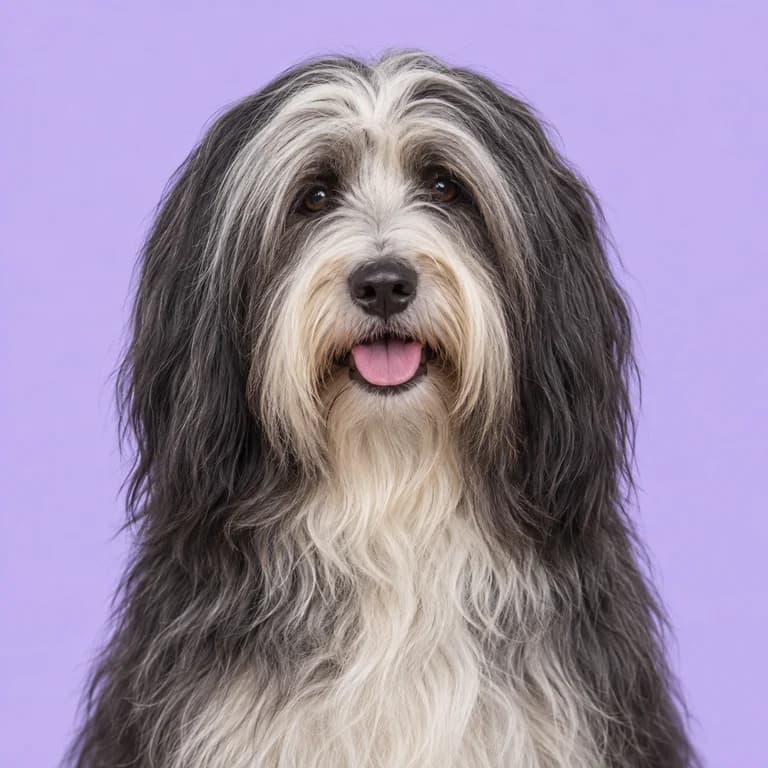
Non-sporting group
Tibetan Terrier
8 to 14 kg · 12 to 15 years
Not a terrier at all, but a shaggy mountain companion once given away as a living good-luck charm.
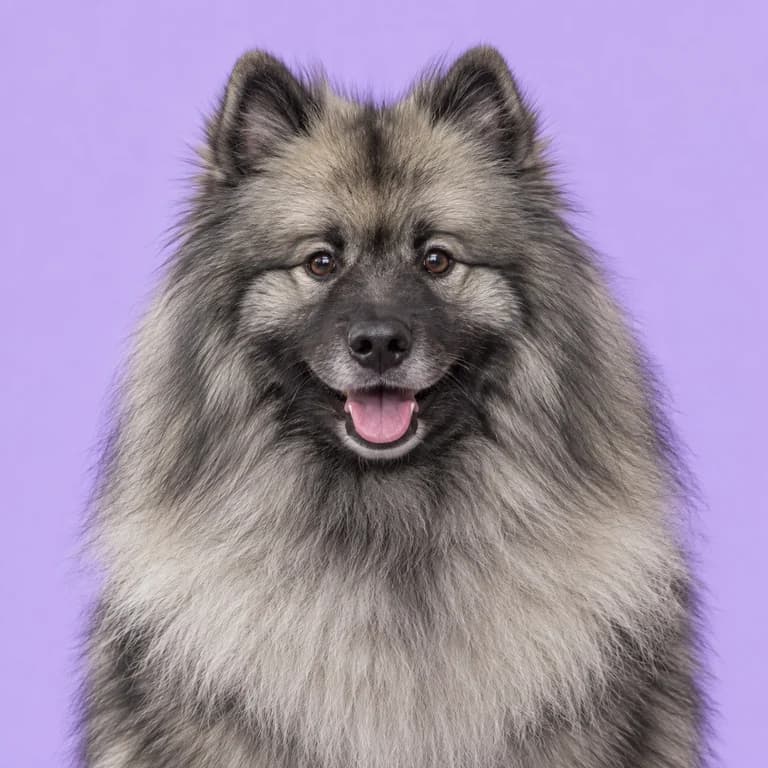
Non-sporting group
Keeshond
14 to 20 kg · 12 to 15 years
Once the watchdog of Dutch river barges, now a spectacled, fluffy companion with a talent for reading people.
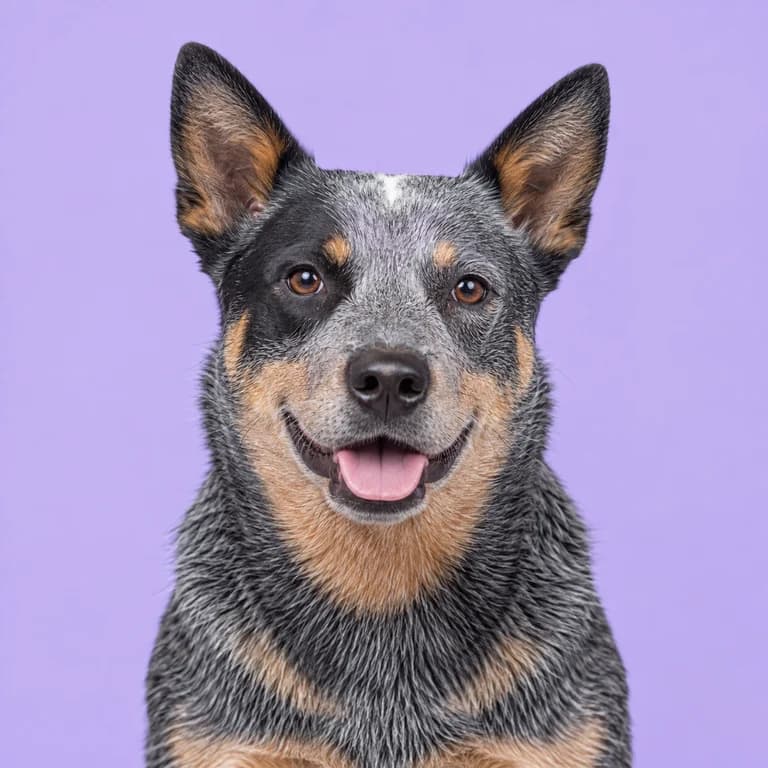
Herding group
Australian Cattle Dog
14 to 22 kg · 12 to 16 years
A compact drover with seemingly endless stamina, built to move stubborn cattle across hot Australian country.