Sources for this article
Herding group · Australia
Australian Cattle Dog
Also called Blue Heeler, Red Heeler, Queensland Heeler, ACD
A compact drover with seemingly endless stamina, built to move stubborn cattle across hot Australian country.
The Australian Cattle Dog was developed to push half-wild cattle over long distances, nipping at heels when needed. That job created a tough, intelligent, tireless dog that bonds closely to its person. Without daily work, it will find its own jobs, and you may not like them.
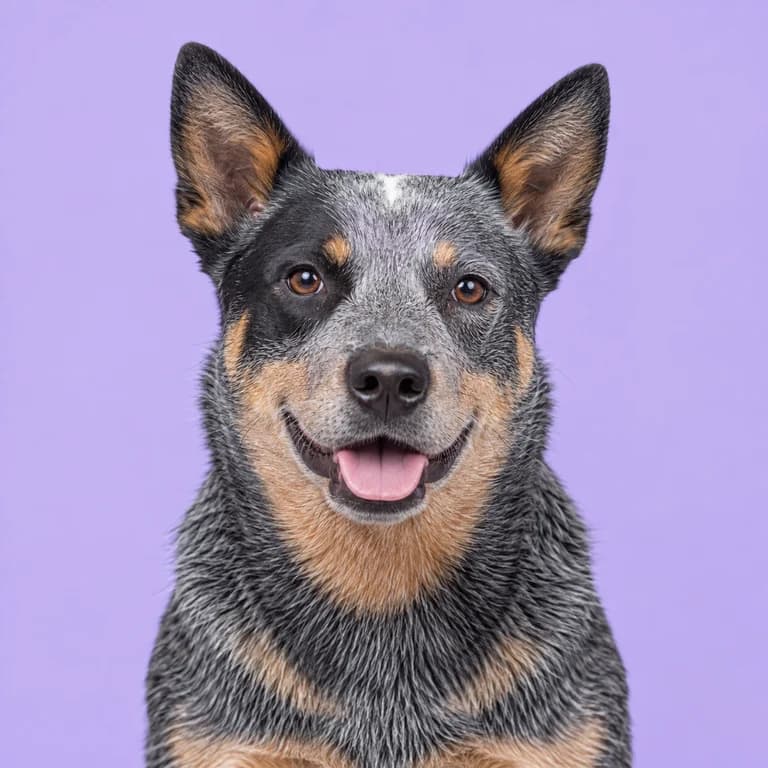
Original AI-generated breed illustration
Weight
14 to 22 kg
31 to 48 lb
Height
43 to 51 cm
at the shoulder
Life expectancy
12 to 16 yrs
Activity estimate
120 to 150 min
editorial daily planning range
Adult-size estimate
18 months
approximate model input
Life with a Australian Cattle Dog
In the early 1800s, settlers in New South Wales found that the herding dogs they brought from Britain struggled with the heat, the huge distances and the semi-wild cattle of the Australian bush. Thomas Hall, a grazier, is often credited with crossing blue merle collie-type dogs with dingoes around the 1840s. His dogs, known as Hall's Heelers, became the foundation of the breed, and later breeders are said to have added Dalmatian and kelpie blood, though the details are debated.
The result was a sturdy, muscular dog that works silently, nipping at the heels of cattle to keep them moving and ducking low to avoid kicks. That ducking instinct is still visible when an ACD plays: it circles, drops and darts in with remarkable speed.
At home, Cattle Dogs are often intensely loyal to one or two people, reserved with strangers, and brilliant problem solvers. They are not a breed that switches off easily. A day without real exercise and mental challenges often ends with herding the family, chewing fences or barking at every movement.
The breed's toughness is legendary among farmers. Cattle Dogs will keep working through heat, scrapes and sore feet, and many owners joke that the dog is harder to tire than the livestock. That same grit means you need to watch for injuries the dog will not tell you about, and to set the limits yourself on hot days.
What stands out
Exercise
Plan for at least 90 to 120 minutes of activity a day for an adult ACD, combining physical exercise with brain work. This can include running, hiking, fetch, flirt pole games, herding lessons, agility, flyball or trick training. The breed was built to work all day, so a 20 minute stroll barely registers.
Read the full exercise guideActivity planning estimate
120 to 150 min
editorial estimate, not a prescription
Energy
5 / 5
Playfulness 4 / 5
A great match for
- farms and rural homes
- runners, hikers and cyclists
- owners interested in dog sports
- experienced dog handlers
Think twice if
- very high exercise and mental needs
- nipping at running children
- wariness of strangers
- sheds heavily twice a year
Personality and needs at a glance
Living together
Good with children
Good with other dogs
Open with strangers
Apartment friendly
Copes with alone time
Energy and character
Energy level
Playfulness
Easy to train
Barking
5 means very vocal
Care and climate
Grooming needs
Shedding
Drooling
Handles cold
Handles heat
How much an Australian Cattle Dog eats
Illustrative calculations for neutered adults at midpoint breed weights, with food at 370 kcal per 100 g and 100 g per cup. These are not measured breed requirements. Use actual weight, the food label and veterinary body-condition advice.
| Dog | Weight | Calories | Dry food |
|---|---|---|---|
| Female, relaxed lifestyle | 17 kg | 820 kcal | 220 g (2.3 cups) |
| Female, typical pet | 17 kg | 940 kcal | 255 g (2.5 cups) |
| Male, typical pet | 19 kg | 1020 kcal | 275 g (2.8 cups) |
| Male, very active | 19 kg | 1270 kcal | 345 g (3.5 cups) |
Care guides for the Australian Cattle Dog
Things owners are often surprised by
- 1Developed in the 1800s, with Thomas Hall often credited for crossing herding dogs with dingoes
- 2Puppies are born white and develop their blue or red color over the first weeks
- 3An ACD named Bluey is widely recorded as living 29 years and 5 months
- 4Many have a white spot on the forehead known as the Bentley mark
- 5Nips at heels by instinct, the reason for the nickname heeler
Australian Cattle Dog questions
What is the difference between a Blue Heeler and a Red Heeler?
They are the same breed, the Australian Cattle Dog, in different coat colors. Blue Heelers have a blue or blue mottled coat, often with tan and black markings, while Red Heelers have red speckling. Temperament and care needs are the same. Some people claim one color is calmer, but there is no evidence that color affects behavior.
Why does my Cattle Dog nip at heels?
Heel nipping is part of the breed's working instinct. It was bred to move cattle by nipping at their heels. In a family setting, this can be redirected with games like tug, herding balls and training cues. Never encourage nipping in play, and give your dog plenty of daily exercise so the instinct has a proper outlet.
Are Australian Cattle Dogs good family pets?
They can be, for active families who can meet their exercise and training needs. They are loyal and protective, but they may nip at running kids and be wary of visitors. Early socialization, clear rules and daily work are key. Families with toddlers or little free time may find the breed too demanding.
Do Australian Cattle Dogs shed?
Yes. They shed moderately year-round and heavily twice a year when they blow their undercoat. During these periods, which last two to three weeks, daily brushing with an undercoat rake helps. Outside those seasons, weekly brushing is usually enough to keep the coat tidy.
How long do Australian Cattle Dogs live?
Most live 12 to 16 years, which is long for a medium-sized dog. A dog named Bluey, who lived in Victoria, Australia, is widely cited as reaching 29 years and 5 months. Staying fit and lean, and screening for hereditary problems, give your dog the best chance of a long, active life.
Popular answers for owners
- Puppy feeding and growthWhat is the best age to start reducing puppy meal frequency?
- Puppy feeding and growthHow do I adjust my puppy's food amount as it grows each week?
- Grooming and coatWhat is a puppy cut?
- How much to feedHow do I stop other pets from eating a diet dog's portion?
- Bowls and feeding gearAre automatic feeders good for dogs on a diet?
- How much to feedMy dog's ribs and spine are very visible, is that too thin?
Breeds you might compare
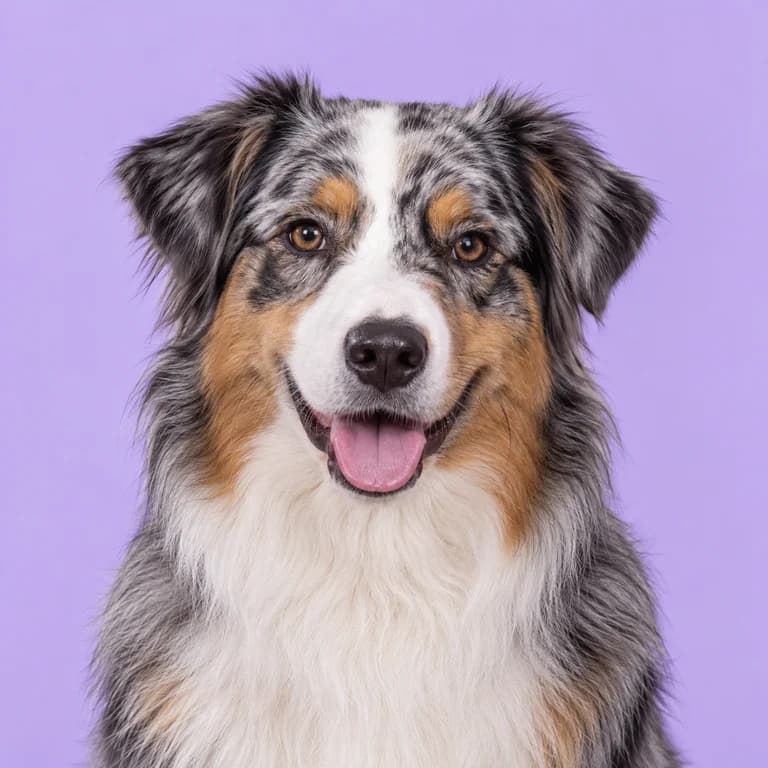
Herding group
Australian Shepherd
18 to 32 kg · 12 to 15 years
A ranch-bred worker with a busy brain, the Aussie wants a daily job and will invent one if you don't.
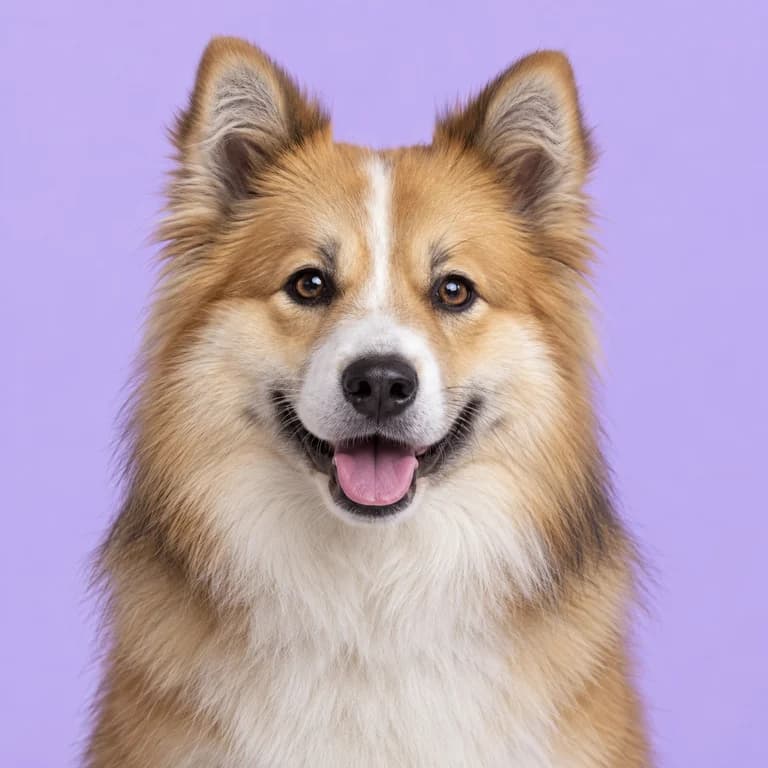
Herding group
Icelandic Sheepdog
9 to 14 kg · 12 to 14 years
The only dog native to Iceland, brought by Viking settlers and still herding with its voice more than its eyes.
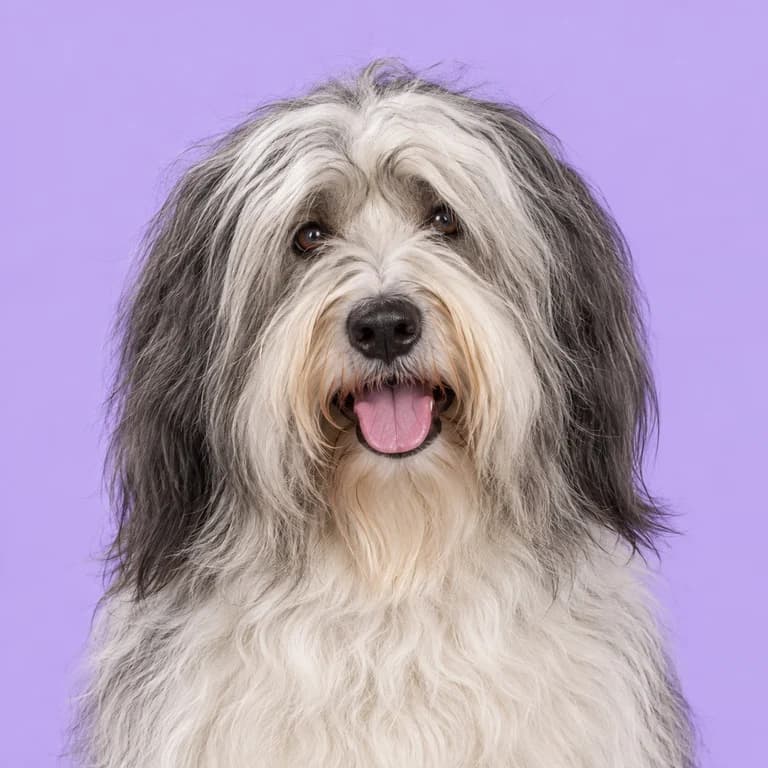
Herding group
Polish Lowland Sheepdog
14 to 23 kg · 12 to 14 years
A shaggy Polish herder with a sharp memory, strong opinions and a watchful eye under its fringe.
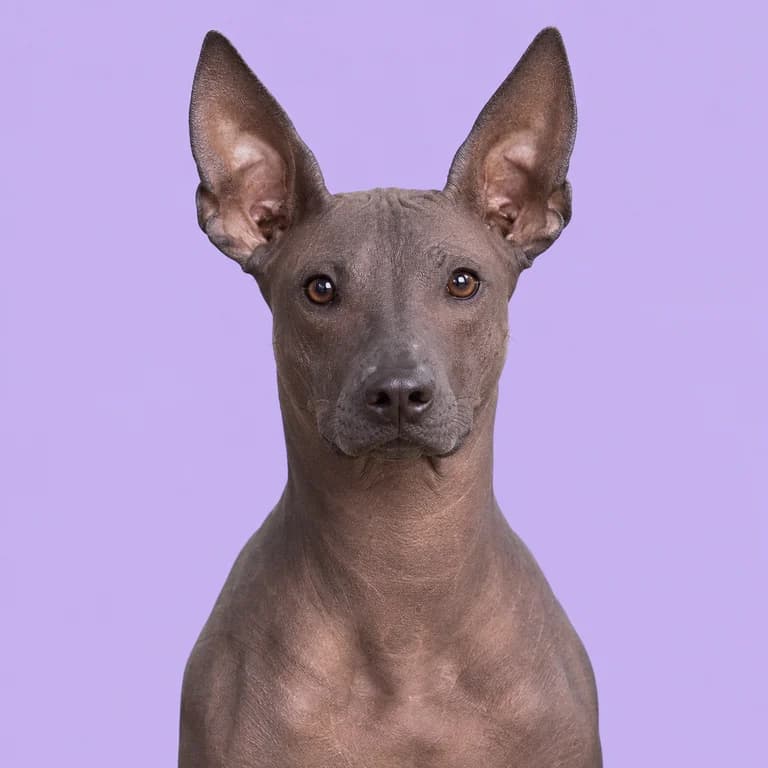
Non-sporting group
Xoloitzcuintli
11 to 25 kg · 13 to 18 years
An ancient Mexican breed, hairless by nature, calm indoors and deeply devoted to the few people it chooses.
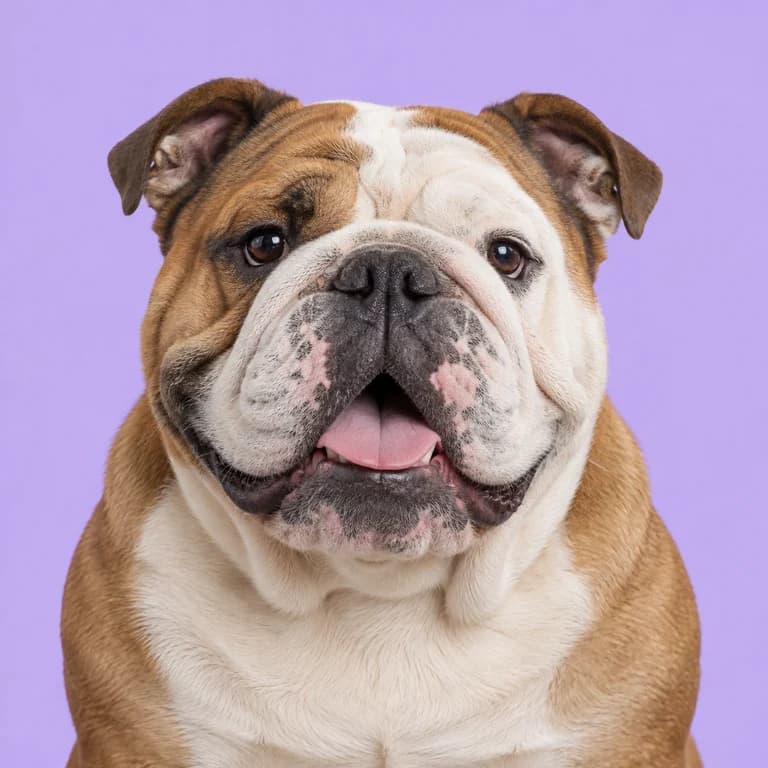
Non-sporting group
English Bulldog
18 to 25 kg · 8 to 10 years
A low-slung, sociable couch companion whose flat face shapes nearly every decision you make about its care.
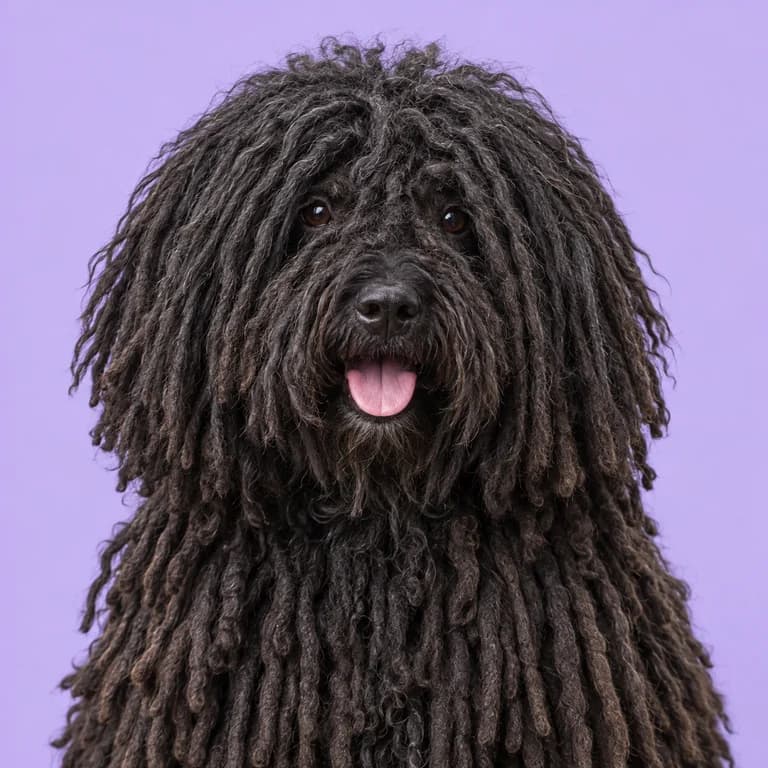
Herding group
Puli
10 to 15 kg · 12 to 16 years
A Hungarian sheepdog wearing its own dreadlocks, quick on its feet and quicker still to notice anything unusual.