Sources for this article
Terrier group · England
Norwich Terrier
Also called Norwich, Jones Terrier, Trumpington Terrier
One of the smallest working terriers, a big-dog attitude packed into about 5 kg of solid muscle.
Small enough to tuck under your arm and tough enough to face a rat in a barn, the Norwich Terrier comes from East Anglia and was bred for vermin work. It is cheerful, bold and affectionate, and usually friendlier with other dogs than many terriers. Its wiry coat needs hand-stripping, and its hunting instinct needs managing on every walk.
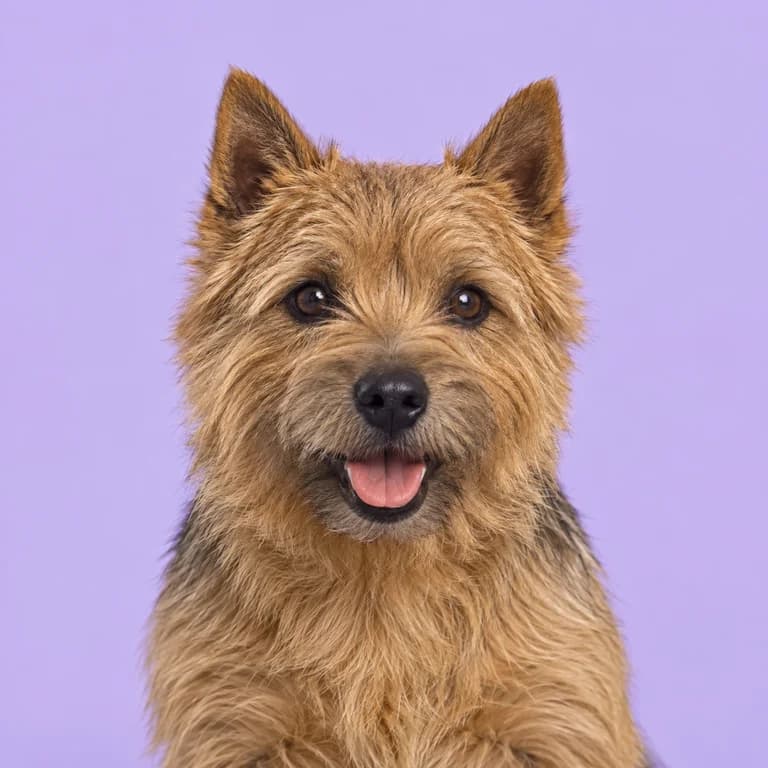
Original AI-generated breed illustration
Weight
5 to 6 kg
11 to 13 lb
Height
24 to 26 cm
at the shoulder
Life expectancy
12 to 15 yrs
Activity estimate
90 to 120 min
editorial daily planning range
Adult-size estimate
12 months
approximate model input
Life with a Norwich Terrier
Size explains nearly everything about the Norwich. At roughly 25 cm tall and 5 kg, it was small enough to follow rats around barns and bolt foxes from their earths, yet sturdy enough to hold its ground once there. It is short-legged without being long in the back, and it feels surprisingly solid when you lift it.
The breed took shape around Norwich and Cambridge in the late nineteenth century. Small red terriers became fashionable among Cambridge undergraduates, and a horseman and dog dealer named Frank Jones is often credited with spreading the type, including to the United States, where some were sold as Jones Terriers. The Kennel Club recognized the Norwich in 1932, and the drop-eared dogs were later separated as the Norfolk Terrier.
Sharing a home with a Norwich means sharing it with a large personality. It is affectionate, curious and funny, and generally more relaxed around other dogs than many terriers. It adapts well to flats, provided exercise and mental work are part of every day. Underneath, it remains a hunter: expect digging, chasing and sudden deafness when something smells interesting.
What stands out
Puppy growth
Norwich puppies grow quickly and are close to adult size at eight to ten months, filling out by about a year. The soft puppy coat gives way to a harsher adult coat during the first year, and the first hand-strip usually happens somewhere between six and nine months.
Read the full puppy growth guideIllustrative model, not observed breed data or a healthy-weight standard. Use actual measurements and veterinary advice to assess growth.
A great match for
- town or country homes
- families with children old enough to play gently
- owners wanting a sturdy small dog that enjoys long walks
- homes with other dogs
Think twice if
- strong urge to chase and dig
- coat needs hand-stripping about twice a year
- recall is rarely reliable
- gains weight easily
- puppies can be hard to find
Personality and needs at a glance
Living together
Good with children
Good with other dogs
Open with strangers
Apartment friendly
Copes with alone time
Energy and character
Energy level
Playfulness
Easy to train
Barking
5 means very vocal
Care and climate
Grooming needs
Shedding
Drooling
Handles cold
Handles heat
How much a Norwich Terrier eats
Illustrative calculations for neutered adults at midpoint breed weights, with food at 370 kcal per 100 g and 100 g per cup. These are not measured breed requirements. Use actual weight, the food label and veterinary body-condition advice.
| Dog | Weight | Calories | Dry food |
|---|---|---|---|
| Female, relaxed lifestyle | 6 kg | 350 kcal | 95 g (1 cups) |
| Female, typical pet | 6 kg | 400 kcal | 110 g (1 cups) |
| Male, typical pet | 6 kg | 400 kcal | 110 g (1 cups) |
| Male, very active | 6 kg | 500 kcal | 135 g (1.3 cups) |
Care guides for the Norwich Terrier
Things owners are often surprised by
- 1Stands about 25 cm (10 in) at the shoulder, among the shortest of the working terriers
- 2Prick ears distinguish it from the Norfolk Terrier, which has folded ears; the Kennel Club split the two in 1964
- 3Cambridge University students in the 1880s are said to have kept these terriers as ratters in their lodgings
- 4The coat is traditionally kept tidy by hand-stripping rather than clipping
- 5Litters are small, and many are delivered by caesarean section
- 6Colors include all shades of red, wheaten, black and tan, and grizzle
Norwich Terrier questions
How do I tell a Norwich Terrier from a Norfolk Terrier?
Check the ears. Norwich Terriers have prick ears that stand upright, while Norfolk Terriers have folded ears that tip forward. They were once treated as one breed with two ear types, until the Kennel Club separated them in 1964 and the AKC followed in 1979. Norfolks are often slightly lower and longer in the body, and their temperaments are very similar.
Are Norwich Terriers good with other dogs?
Generally, yes. They were traditionally worked alongside other terriers, so they tend to be more sociable with dogs than many terrier breeds. Early socialization still matters, and some can be bossy with dogs their own size. Small pets such as rabbits, hamsters and guinea pigs are another matter entirely, because the hunting instinct is strong.
Why are Norwich Terrier puppies so hard to find?
Litters are small, often just two or three puppies, and many births need a caesarean. Responsible breeders also plan matings carefully around health, so waiting lists of several months are common. Be wary of anyone who always has puppies available, and ask to meet the mother and see health test results before paying a deposit.
Should I hand-strip or clip my Norwich Terrier?
Hand-stripping keeps the coat harsh, weather-resistant and rich in color, and it is expected for show dogs. Clipping is quicker and cheaper but makes the coat softer and duller over time. Many pet owners compromise by stripping occasionally and clipping in between, or by learning to strip at home. A groomer experienced with terriers can show you the technique.
Is a Norwich Terrier suited to apartment life?
Yes, as long as it gets enough exercise. The small size and adaptable nature suit flats well, but the breed can be vocal and may announce every footstep in the corridor. Two good walks a day, play and some training help reduce barking. A Norwich is not a sedentary lapdog, and a bored one will make its own entertainment.
Popular answers for owners
- Exercise and playWhat is scent work enrichment?
- Grooming and coatWhy does my dog's coat look dull?
- How much to feedHow often should I recalculate my dog's daily portion?
- Exercise and playWhat is a snuffle mat and how does it help?
- Exercise and playIs it okay to rough house or wrestle with my dog?
- Puppy feeding and growthHow to predict my puppy's adult weight from its paws?
Breeds you might compare
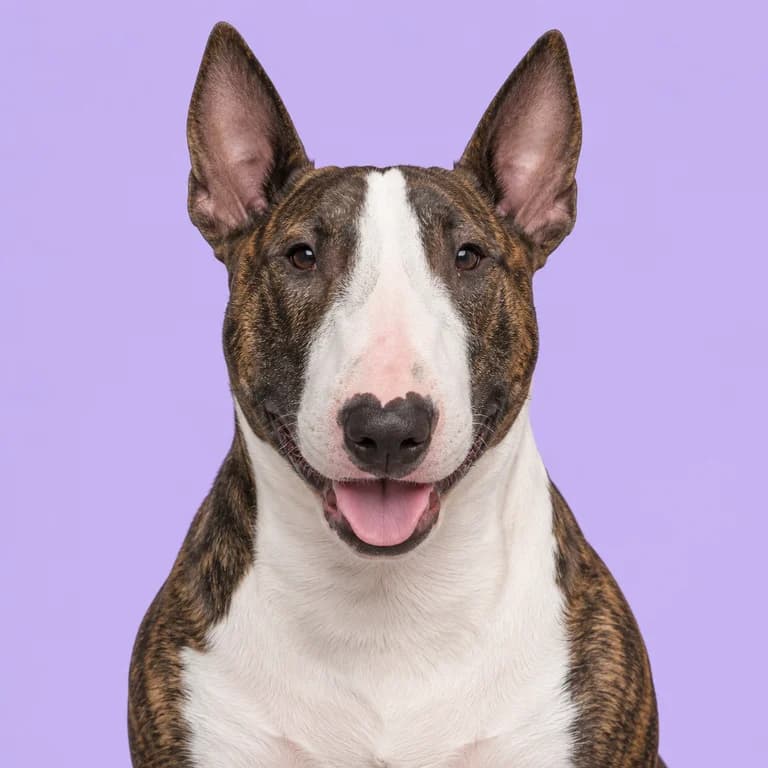
Terrier group
Bull Terrier
20 to 30 kg · 11 to 13 years
A muscular comedian with an egg-shaped head, loyal to its people and stubborn about almost everything else.
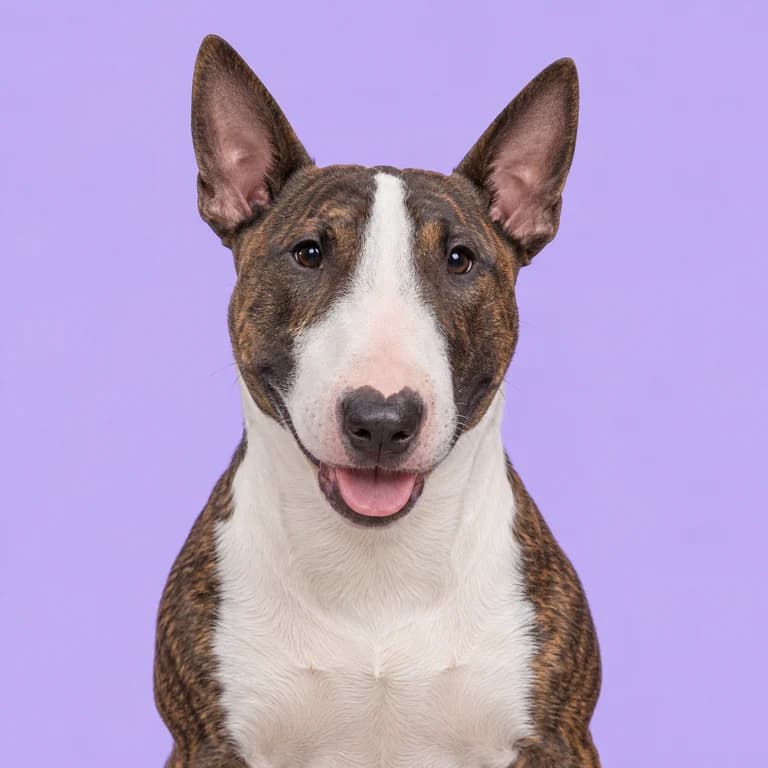
Terrier group
Miniature Bull Terrier
9 to 15 kg · 11 to 14 years
An egg-shaped head, a triangular wink of an eye and a personality far bigger than its compact frame.
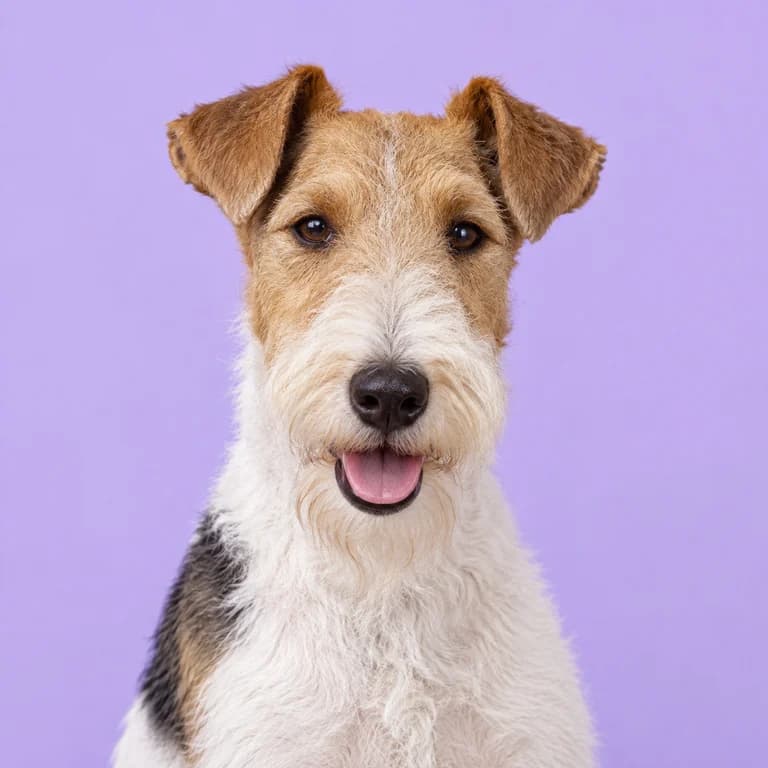
Terrier group
Wire Fox Terrier
6 to 9 kg · 12 to 15 years
A spring-loaded English terrier that treats every day as a hunting trip and every squirrel as unfinished business.
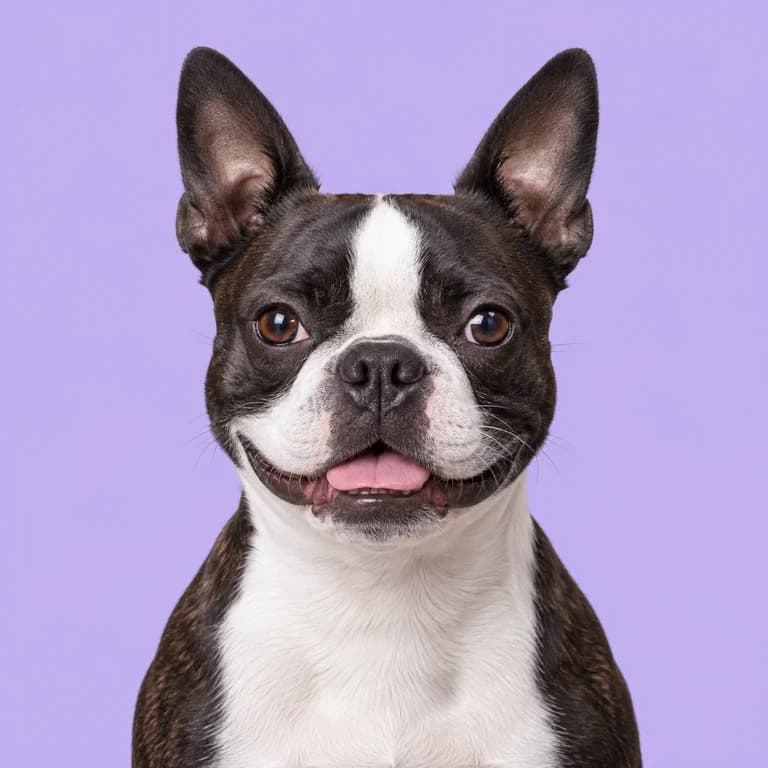
Non-sporting group
Boston Terrier
5 to 11 kg · 11 to 13 years
Tuxedo markings, a clown's timing and a genuine fondness for almost every person it meets.
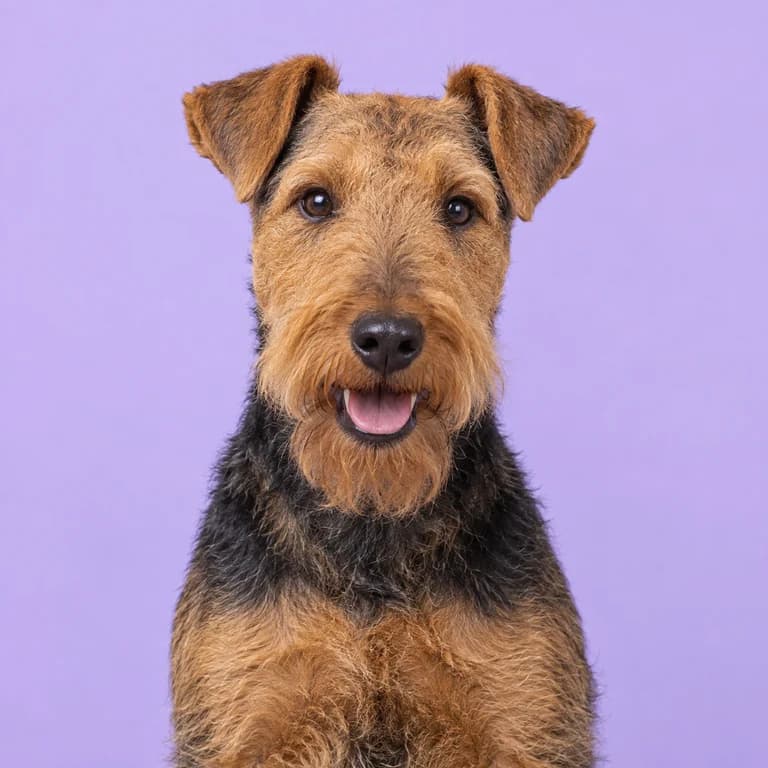
Terrier group
Welsh Terrier
8 to 10 kg · 12 to 15 years
Confident, clownish and a little stubborn, the Welsh Terrier packs a working terrier's spirit into a tidy 10 kg.
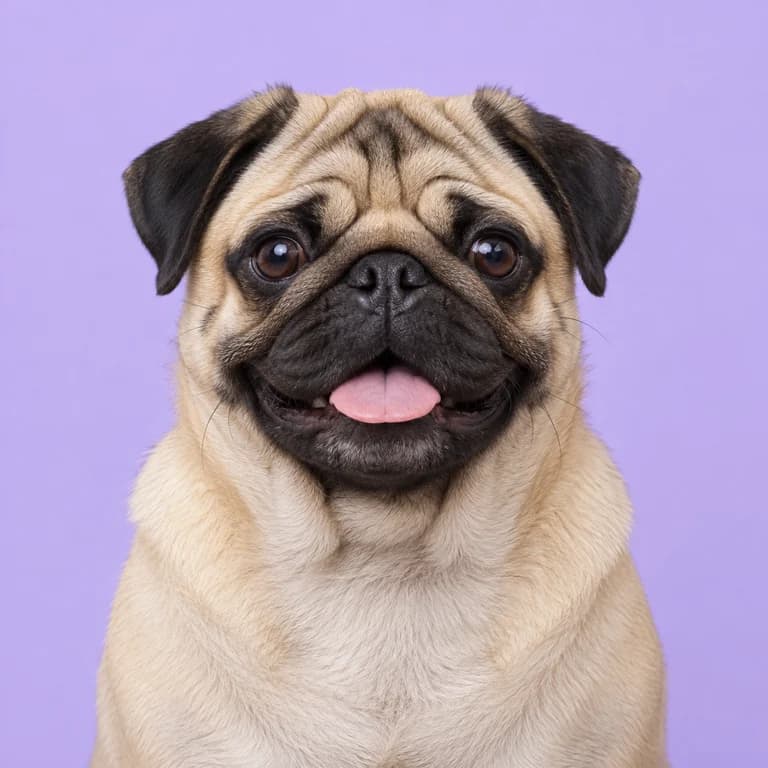
Toy group
Pug
6 to 9 kg · 12 to 14 years
A compact comedian from imperial China whose flat face shapes almost every part of daily care.