Sources for this article
Hound group · Mali
Azawakh
Also called Tuareg Sloughi
A tall, reserved sighthound from the Sahel that gives deep loyalty to its own people and little to anyone else.
The Azawakh comes from the southern edge of the Sahara, where nomadic peoples used it to guard camps and course game. It is elegant, fast and intensely devoted to its family, but naturally wary of strangers, which makes it a breed for experienced, patient owners.
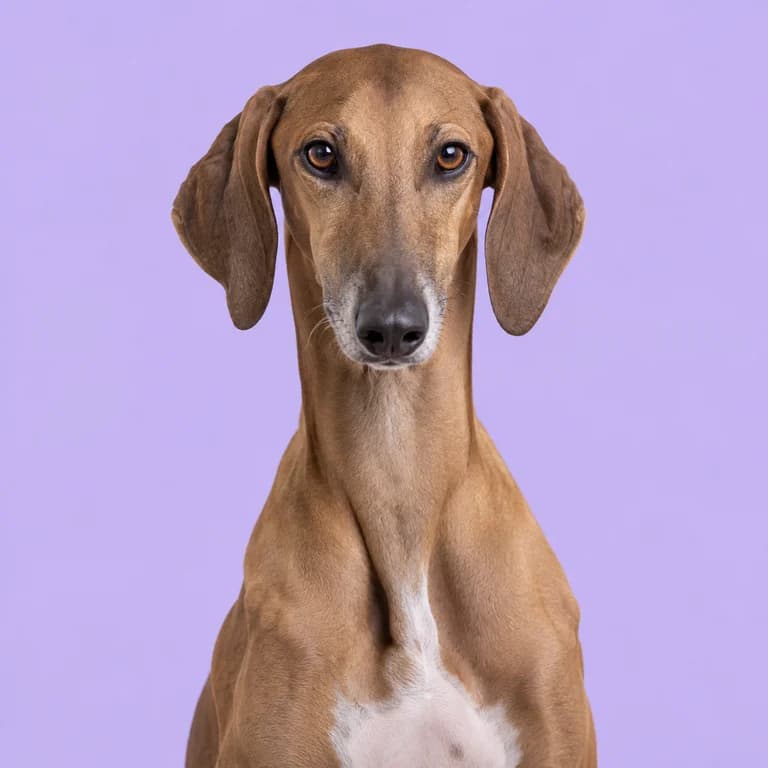
Original AI-generated breed illustration
Weight
15 to 25 kg
33 to 55 lb
Height
60 to 74 cm
at the shoulder
Life expectancy
12 to 15 yrs
Activity estimate
90 to 120 min
editorial daily planning range
Adult-size estimate
24 months
approximate model input
Life with a Azawakh
Few breeds are as selective about people as the Azawakh. In its homeland, the dry Sahel belt of Mali, Niger and Burkina Faso, these dogs lived in small packs with Tuareg and other nomadic families. Their duties were to warn of intruders around camp and to chase hare, gazelle or jackal across open ground. A dog that welcomed strangers was useless for the first task, and the breed's modern temperament reflects that.
With its own family, an Azawakh is affectionate, sensitive and often very attached to one particular person. It enjoys soft beds, warm corners and quiet company. With strangers, it tends to stand back and watch, sometimes barking, sometimes simply refusing to be touched. Good socialization produces a dog that is polite and calm with visitors, but rarely one that seeks their attention.
The breed reached Europe in the 1970s, mainly through France and the former Yugoslavia, and the FCI recognized it under French patronage. The American Kennel Club followed in 2019. It remains rare everywhere, and anyone considering one should meet several adults and speak with experienced owners first.
What stands out
Training
Azawakhs are intelligent but independent, and they respond poorly to repetition or pressure. Short, relaxed sessions with food rewards and plenty of trust building work best. Expect them to ask why before complying; many learn quickly but choose when to show it.
Read the full training guideEasy to train
Open with strangers
Good with other dogs
A great match for
- experienced sighthound owners
- quiet adult households
- warm climates
- people who want a loyal, one-family dog
Think twice if
- aloof or defensive with strangers
- strong prey drive and unreliable recall
- feels the cold badly
- needs very careful early socialization
- can be difficult with the vet unless handled early
Personality and needs at a glance
Living together
Good with children
Good with other dogs
Open with strangers
Apartment friendly
Copes with alone time
Energy and character
Energy level
Playfulness
Easy to train
Barking
5 means very vocal
Care and climate
Grooming needs
Shedding
Drooling
Handles cold
Handles heat
How much an Azawakh eats
Illustrative calculations for neutered adults at midpoint breed weights, with food at 370 kcal per 100 g and 100 g per cup. These are not measured breed requirements. Use actual weight, the food label and veterinary body-condition advice.
| Dog | Weight | Calories | Dry food |
|---|---|---|---|
| Female, relaxed lifestyle | 18 kg | 840 kcal | 225 g (2.3 cups) |
| Female, typical pet | 18 kg | 960 kcal | 260 g (2.5 cups) |
| Male, typical pet | 23 kg | 1160 kcal | 315 g (3.3 cups) |
| Male, very active | 23 kg | 1450 kcal | 390 g (4 cups) |
Care guides for the Azawakh
Things owners are often surprised by
- 1Named after the Azawagh valley region spanning Mali and Niger
- 2Kept by Tuareg and other nomadic peoples of the Sahel as a guard and hunting dog
- 3Taller than it is long, giving an unusually upright, square outline
- 4Hip bones and several ribs are normally visible in a fit adult
- 5Can reach around 60 km/h (37 mph) at a full gallop
Azawakh questions
Why is my Azawakh so thin? Is it underweight?
Probably not. A healthy Azawakh shows its hip bones, the top of its spine and the outline of three or four ribs. That lean outline is normal for the breed. The concerns are a sudden drop in weight, ribs that become very sharp, dull coat or reduced energy. Ask your vet or an experienced breeder to assess body condition, rather than comparing with other breeds.
Are Azawakhs good with strangers?
Not usually in the way most breeds are. They were bred to alert their families to intruders, so wariness is normal. Well-socialized adults tolerate visitors calmly, but they rarely enjoy being petted by people they do not know. Let guests ignore the dog and allow it to approach on its own terms, and never force interaction.
Can an Azawakh live in a cold climate?
It can, with effort. The breed comes from the Sahel, where daytime heat is intense, and it has almost no body fat and very short hair. In northern Europe or Canada, expect to use a warm coat for walks, keep outings short in freezing weather and provide padded beds and blankets indoors. Many owners also use a fleece indoors in winter.
How fast can an Azawakh run?
Azawakhs can reach around 60 km/h (37 mph) at a full gallop. They were bred to chase fast game such as hare and gazelle over hot, rough ground, and they have excellent endurance. Their running style is light and bouncy. That speed is why off-lead running should only happen in securely fenced areas.
Is an Azawakh a good first dog?
Generally no. The combination of independence, sensitivity, wariness of strangers and high prey drive challenges even experienced owners. First-time owners attracted to the breed should spend time with adult Azawakhs, talk to breeders, and consider a more forgiving sighthound such as a Whippet or retired Greyhound first. Some breeders will place with novices only after careful discussion.
Popular answers for owners
- How much to feedWhat does an ideal weight dog look like from the side?
- How much to feedShould I weigh my dog's food every day or just set a routine?
- Grooming and coatWhat brush is best for a silky long coat?
- How much to feedHow many calories does a one hour walk burn for a dog?
- Bowls and feeding gearCan a bowl be too big for a small dog?
- Bowls and feeding gearDo flat faced dogs need a special bowl shape?
Breeds you might compare
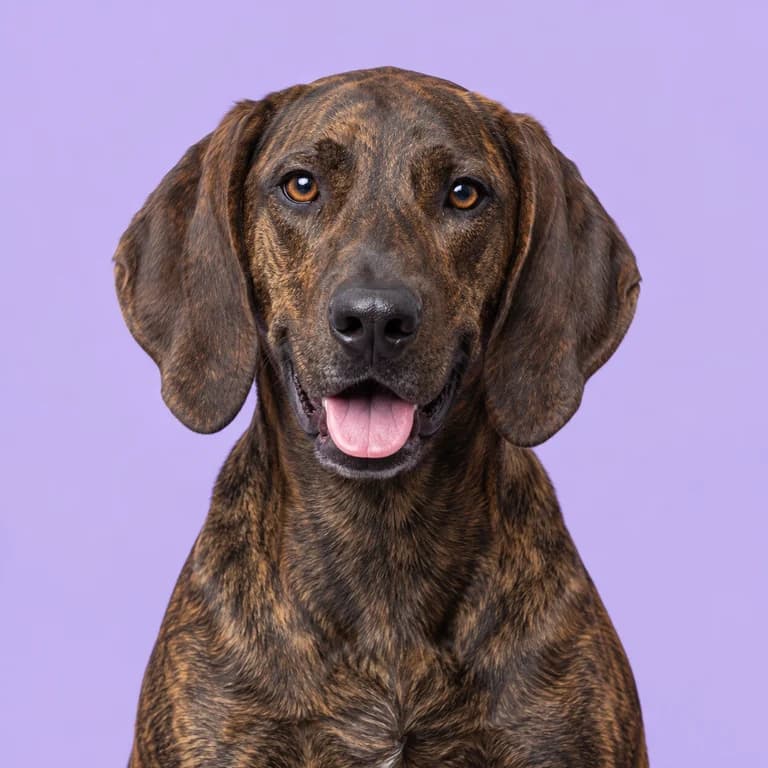
Hound group
Plott Hound
18 to 27 kg · 12 to 14 years
A brindle bear hound from the Great Smoky Mountains, built to trail all night and announce every find.
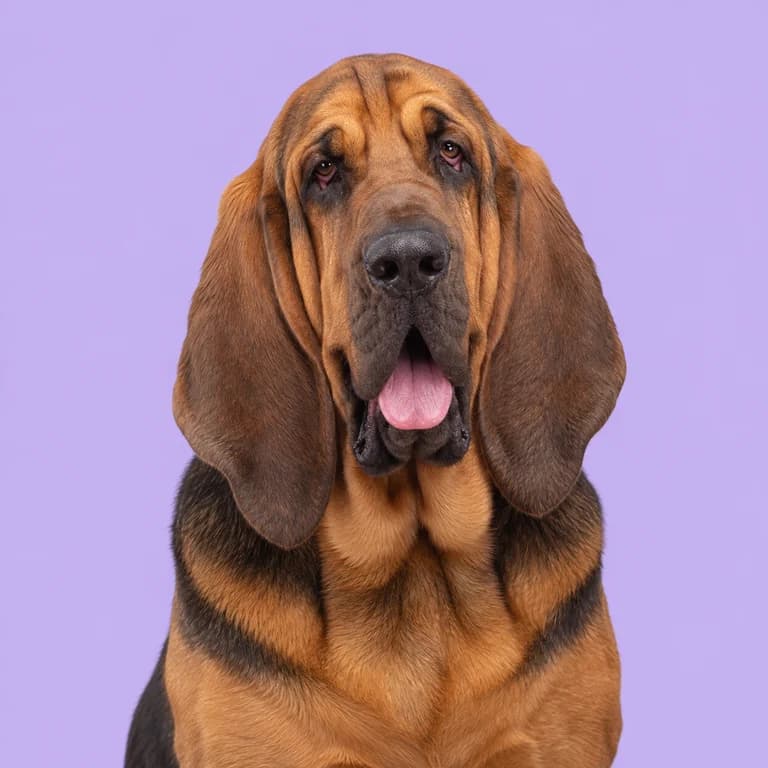
Hound group
Bloodhound
40 to 54 kg · 10 to 12 years
A patient, drooling giant whose trailing work has been accepted as evidence in courtrooms.
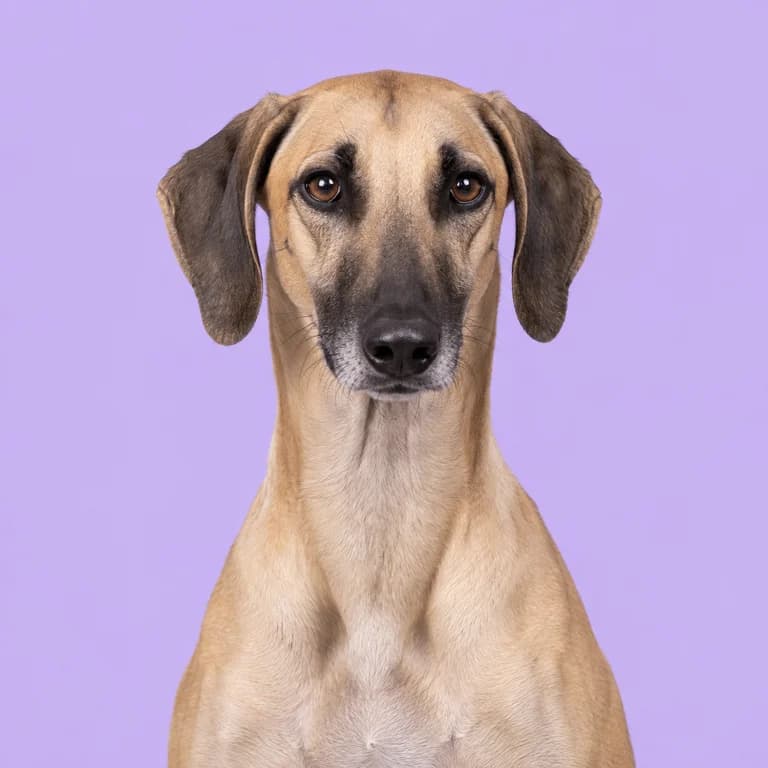
Hound group
Sloughi
18 to 28 kg · 12 to 15 years
A reserved North African sighthound that gives its heart to one family and keeps strangers at a polite distance.
Hound group
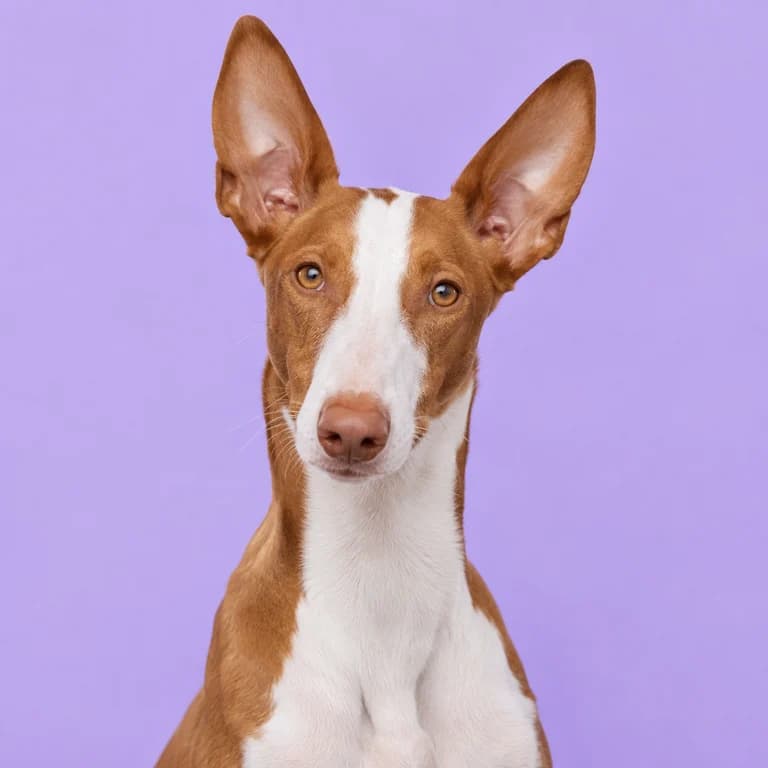
Ibizan Hound
19 to 25 kg · 11 to 14 years
A graceful island hunter that tracks rabbits by sight, sound and scent, and clears fences from a standstill.
Herding group
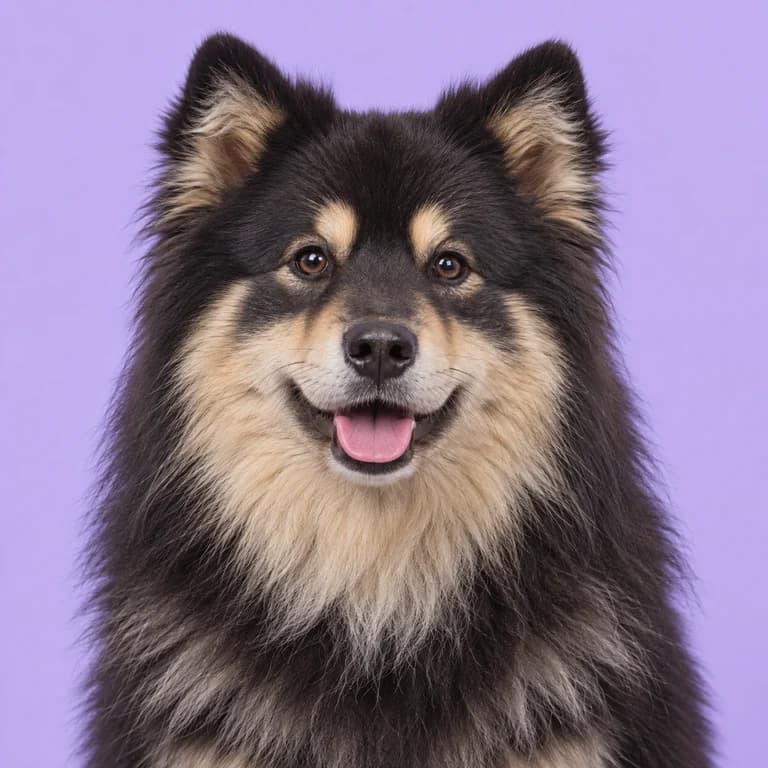
Finnish Lapphund
15 to 24 kg · 12 to 15 years
A soft-natured reindeer herder from Lapland that pairs arctic toughness with remarkable gentleness at home.
Sporting group
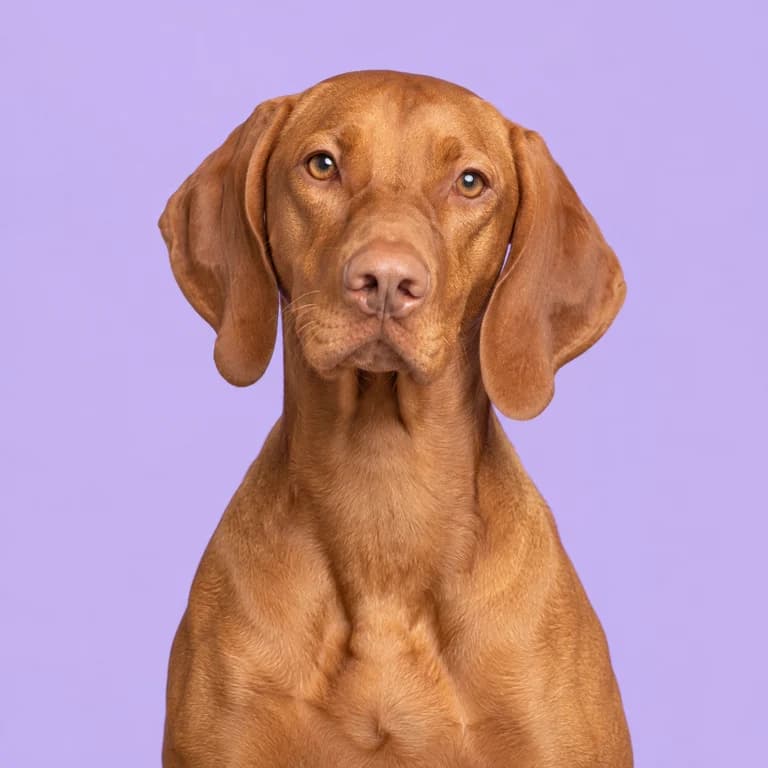
Vizsla
18 to 29 kg · 12 to 14 years
Hungary's golden-rust pointer: a lean athlete that wants miles of running, then a lap to finish on.