Sources for this article
Herding group · Sweden
Swedish Vallhund
Also called Västgötaspets, Swedish Cattle Dog, Viking Dog
A low-slung Viking-age cattle dog with the drive of a much larger herder packed into 33 cm.
Short in the leg but long on stamina, this herding spitz from western Sweden was built to nip at cattle heels and keep going all day. Cheerful, clever and constantly busy, the Swedish Vallhund suits active owners who want a small dog with a working dog's appetite for activity.
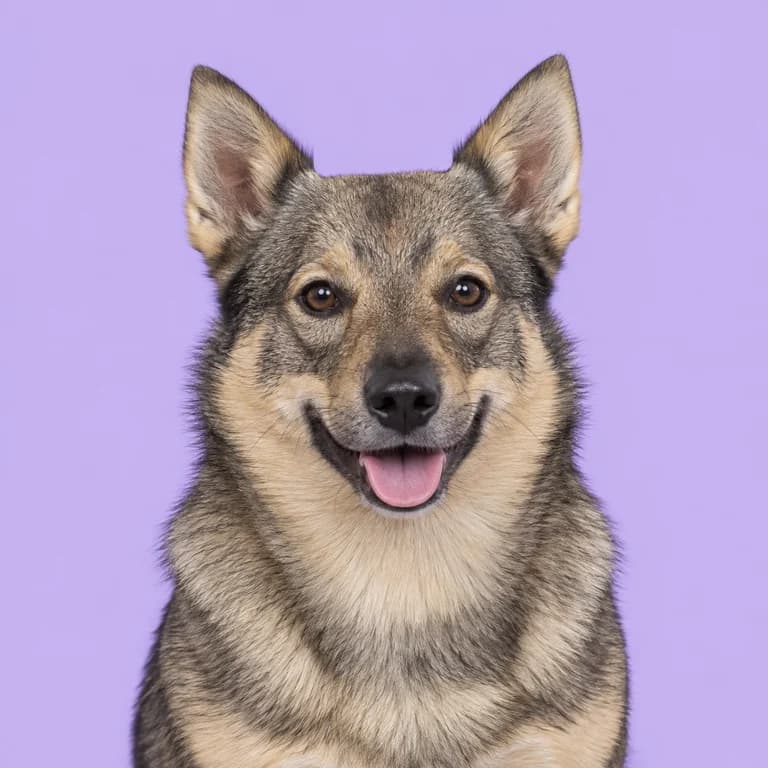
Original AI-generated breed illustration
Weight
9 to 16 kg
20 to 35 lb
Height
31 to 35 cm
at the shoulder
Life expectancy
12 to 15 yrs
Activity estimate
90 to 120 min
editorial daily planning range
Adult-size estimate
12 months
approximate model input
Life with a Swedish Vallhund
Swedish farmers once relied on a small, tough dog to move cattle from pasture to barn, and the Vallhund's low build was ideal for the job: it could dart in, nip a heel and flatten itself as the kick sailed overhead. Dogs of this type are believed to have lived in western Sweden since Viking times, and their resemblance to the Welsh Corgi has fueled a long debate about which breed influenced the other.
By the 1940s the breed had almost disappeared. Count Björn von Rosen, who remembered the dogs from his youth, and a breeder named K. G. Zettersten searched the Västergötland countryside for surviving examples and started a careful breeding program in 1942. The Swedish Kennel Club recognized the breed soon after, and Vallhunds have since spread to the UK, North America and Australia in modest numbers.
Today's Vallhund is outgoing, affectionate and always on the move. It wants to be involved in whatever you are doing and has an opinion about most of it, often delivered as a distinctive singing roo. Small it may be, but it is a true working dog with a working dog's stamina, and it is happiest in a home that has a plan for every day.
What stands out
Exercise
Plan on 60 to 90 minutes of activity a day. A brisk walk alone rarely satisfies a Vallhund; it wants something to do, and many excel at herding trials, agility, rally obedience, flyball and nosework. The compact frame is surprisingly athletic, and these dogs regularly keep pace with much larger breeds on long hikes.
Read the full exercise guideActivity planning estimate
90 to 120 min
editorial estimate, not a prescription
Energy
4 / 5
Playfulness 5 / 5
A great match for
- active singles and couples
- families wanting a small but sturdy dog
- herding, agility and obedience enthusiasts
- cold climates
Think twice if
- heel-nipping instinct with children and joggers
- vocal, with both barking and yodeling
- heavy shedding twice a year
- needs daily mental work
- puts on weight easily on a short frame
Personality and needs at a glance
Living together
Good with children
Good with other dogs
Open with strangers
Apartment friendly
Copes with alone time
Energy and character
Energy level
Playfulness
Easy to train
Barking
5 means very vocal
Care and climate
Grooming needs
Shedding
Drooling
Handles cold
Handles heat
How much a Swedish Vallhund eats
Illustrative calculations for neutered adults at midpoint breed weights, with food at 370 kcal per 100 g and 100 g per cup. These are not measured breed requirements. Use actual weight, the food label and veterinary body-condition advice.
| Dog | Weight | Calories | Dry food |
|---|---|---|---|
| Female, relaxed lifestyle | 12 kg | 610 kcal | 165 g (1.8 cups) |
| Female, typical pet | 12 kg | 700 kcal | 190 g (2 cups) |
| Male, typical pet | 14 kg | 790 kcal | 215 g (2.3 cups) |
| Male, very active | 14 kg | 990 kcal | 265 g (2.8 cups) |
Care guides for the Swedish Vallhund
Things owners are often surprised by
- 1Also called the Västgötaspets, after the province of Västergötland
- 2Dogs of this type are thought to have lived in Sweden for more than 1,000 years, back to the Viking age
- 3Nearly vanished before Count Björn von Rosen and K. G. Zettersten began rebuilding the breed in 1942
- 4Tails vary naturally from a full curl to a stub or no tail at all, sometimes within one litter
- 5Lighter hair across the shoulders forms so-called harness markings
- 6Known for a yodeling roo-roo sound when excited
Swedish Vallhund questions
Are Swedish Vallhunds related to Corgis?
They look similar and did the same kind of work, but the exact relationship is unclear. Some historians think Vikings carried Vallhund-type dogs to Wales, while others argue Welsh dogs came to Sweden. The breeds differ in several ways: the Vallhund has a spitz-type head and coat, different coloring and often a curled tail. Genetic work has not settled the question.
Why do Swedish Vallhunds have different tails?
The breed carries a natural bobtail gene, so puppies can be born with a full curled tail, a partial stub or almost no tail at all, even within the same litter. All these variations are accepted by most breed standards. Docking is neither needed nor practiced for this breed in most countries.
Do Swedish Vallhunds make a singing noise?
Many do. Owners describe a yodeling roo-roo when the dog is excited, greeting people or asking for attention. It is different from barking and is usually a happy sound. Vallhunds also bark readily, however, so close neighbors may hear quite a lot if barking is not managed early.
Is a Swedish Vallhund a good first dog?
It can be for an active person who enjoys training and has time every day. The breed is friendly, trainable and a manageable size. It is also more energetic and vocal than its size suggests, and its herding instincts need guidance. First-time owners expecting a small lapdog are often surprised.
Can a Swedish Vallhund live with cats?
Usually, especially if raised with them from puppyhood. The herding instinct may lead a young Vallhund to chase or round up a cat, which should be interrupted and redirected every time. Most settle into peaceful coexistence with cats they know, though unfamiliar cats outdoors may still be treated as fair game.
Popular answers for owners
- Bowls and feeding gearCan a feeding mat catch spilled water effectively?
- Puppy feeding and growthHow much should a 9 week old puppy eat?
- Grooming and coatHow often should I brush a short haired dog?
- Exercise and playWhat are good DIY enrichment activities for dogs?
- Grooming and coatWhy does my dog smell like corn chips?
- Puppy feeding and growthHow big will my puppy get?
Breeds you might compare
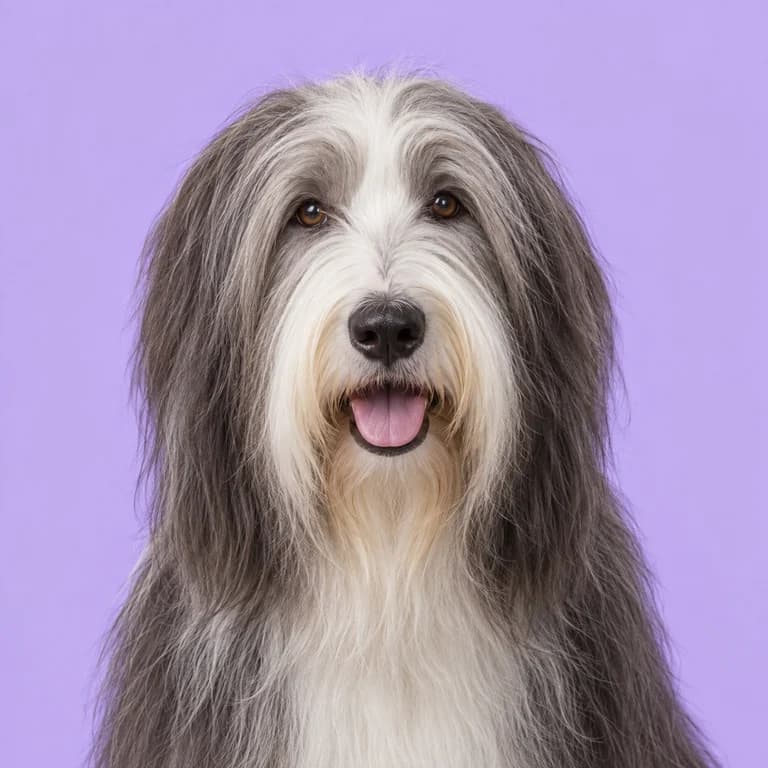
Herding group
Bearded Collie
18 to 25 kg · 12 to 14 years
A shaggy Scottish drover with a bounce in every step and a sense of humor to match.
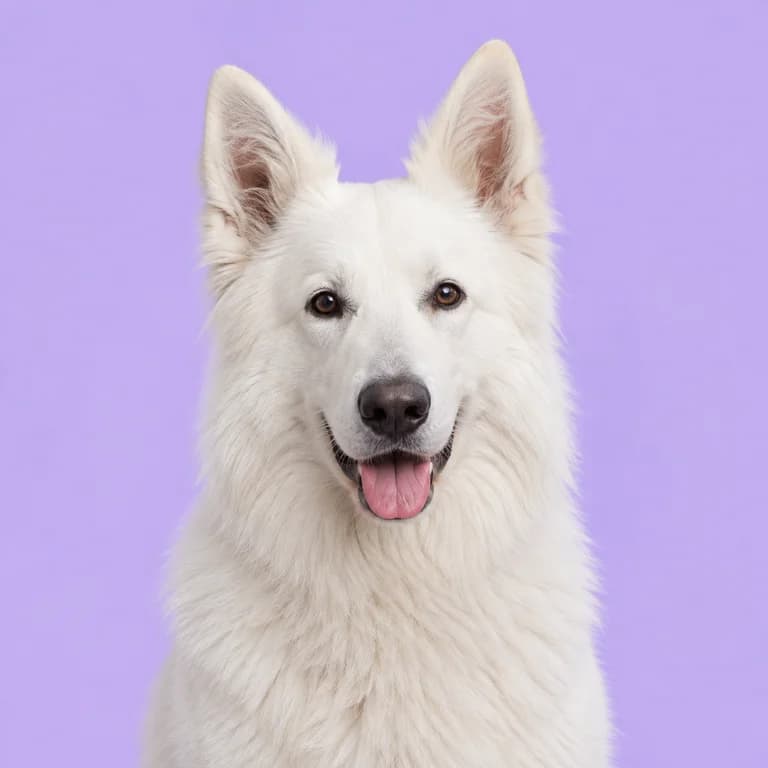
Herding group
White Swiss Shepherd
25 to 40 kg · 12 to 14 years
A snow-white shepherd with the brains of a working dog and a gentler, softer edge.
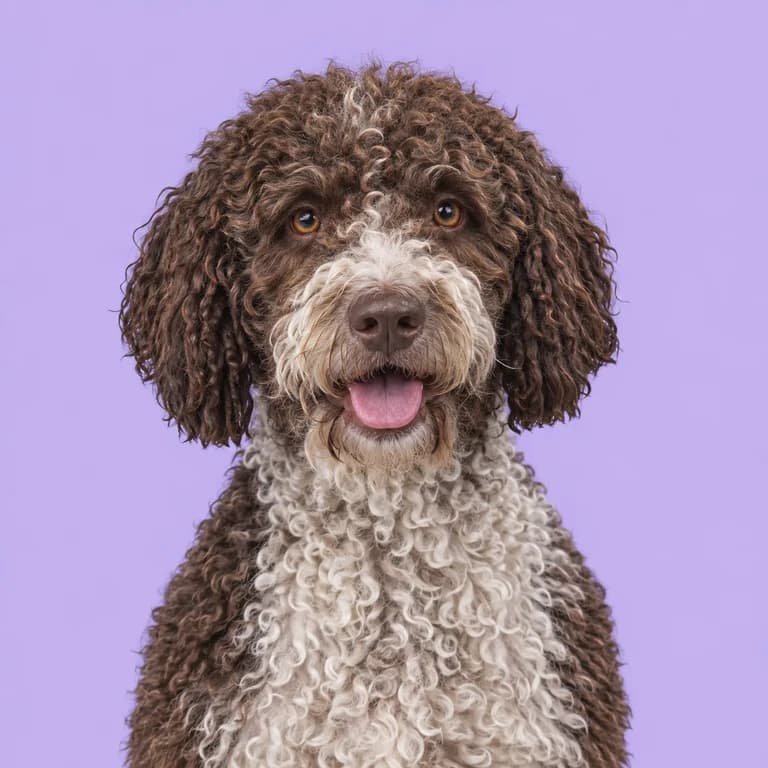
Herding group
Spanish Water Dog
14 to 22 kg · 12 to 14 years
A curly Andalusian all-rounder that herds, swims and retrieves, wearing a coat you must never brush.
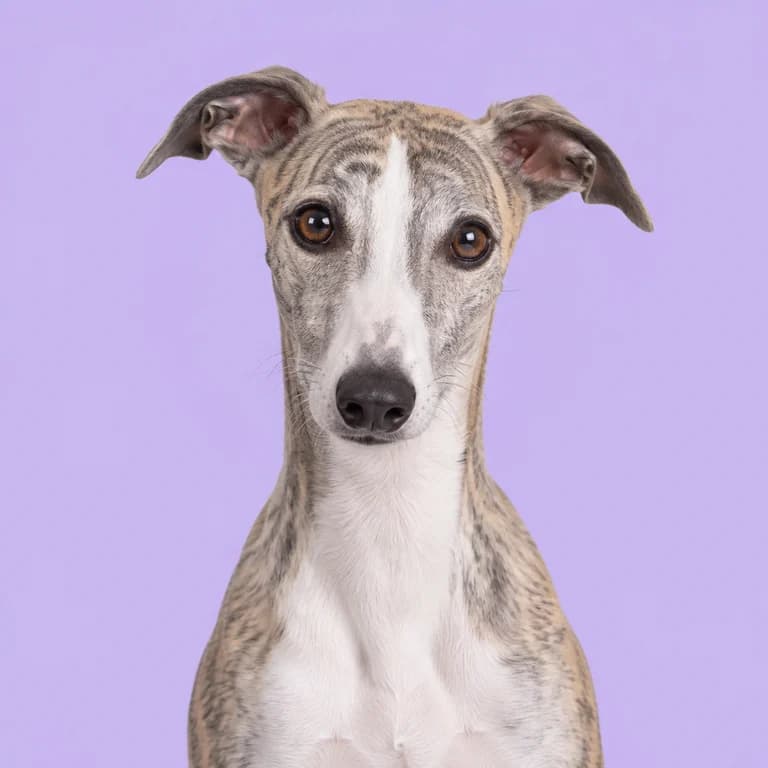
Hound group
Whippet
9 to 16 kg · 12 to 15 years
Built for 55 km/h sprints, yet happiest curled under a blanket for most of the day.
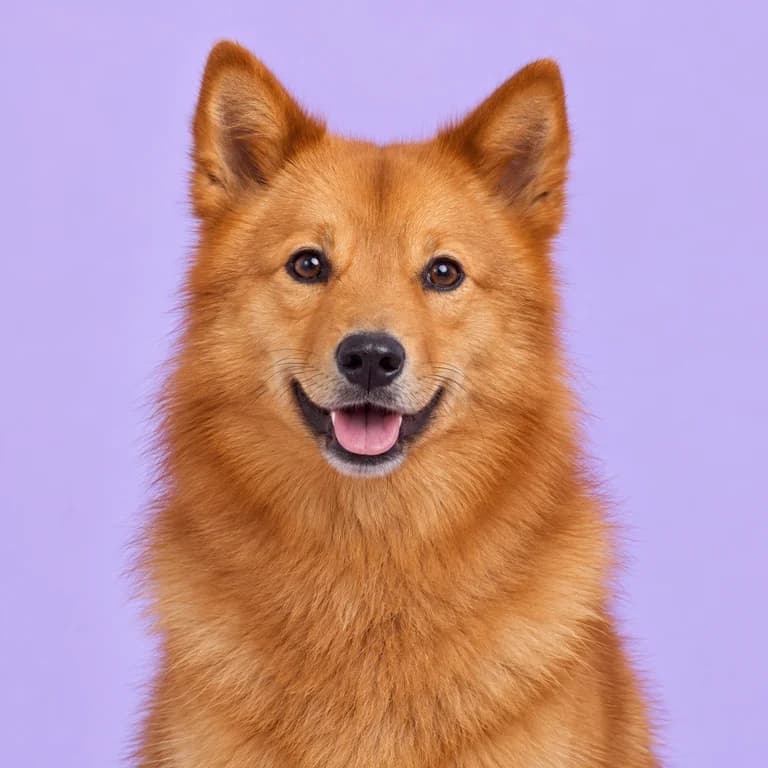
Non-sporting group
Finnish Spitz
9 to 15 kg · 13 to 15 years
Finland's fox-red bird dog, built to bark a treed capercaillie into staying put, and happy to narrate your day.
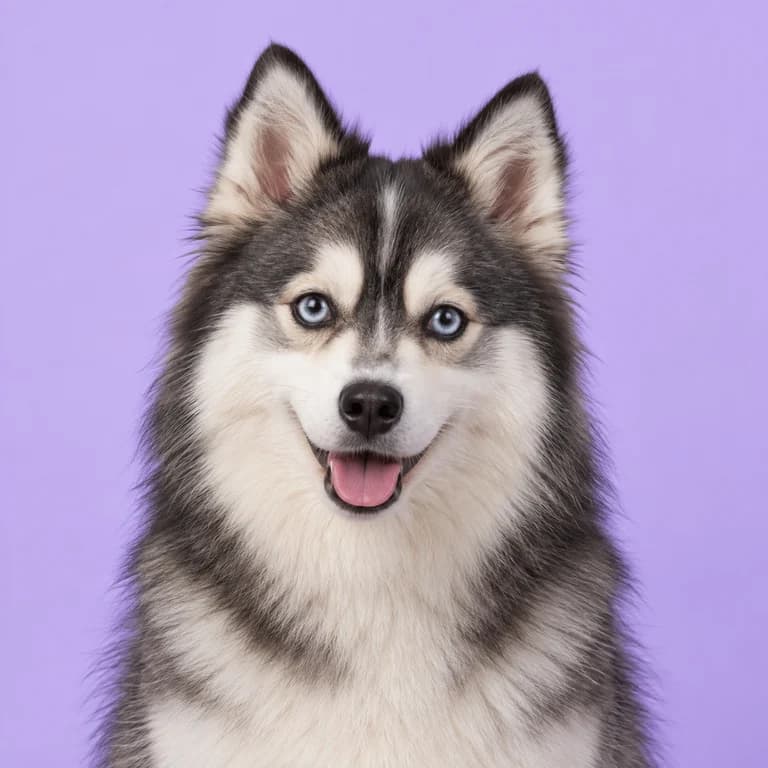
Crossbreed
Pomsky
7 to 14 kg · 12 to 15 years
A Husky look in a smaller package, with size and personality that vary more than many buyers expect.