Sources for this article
Hound group · Southern Africa (Zimbabwe)
Rhodesian Ridgeback
Also called Ridgeback, African Lion Hound
A sleek African hunting hound built to hold lions at bay, marked by a ridge of hair that grows the wrong way.
Rhodesian Ridgebacks were developed by European settlers in southern Africa from local ridged dogs and imported hunting breeds. They are dignified, independent and quietly protective, with a sprinter's body and a real talent for stealing food from kitchen counters. They suit confident owners who enjoy a dog with opinions.
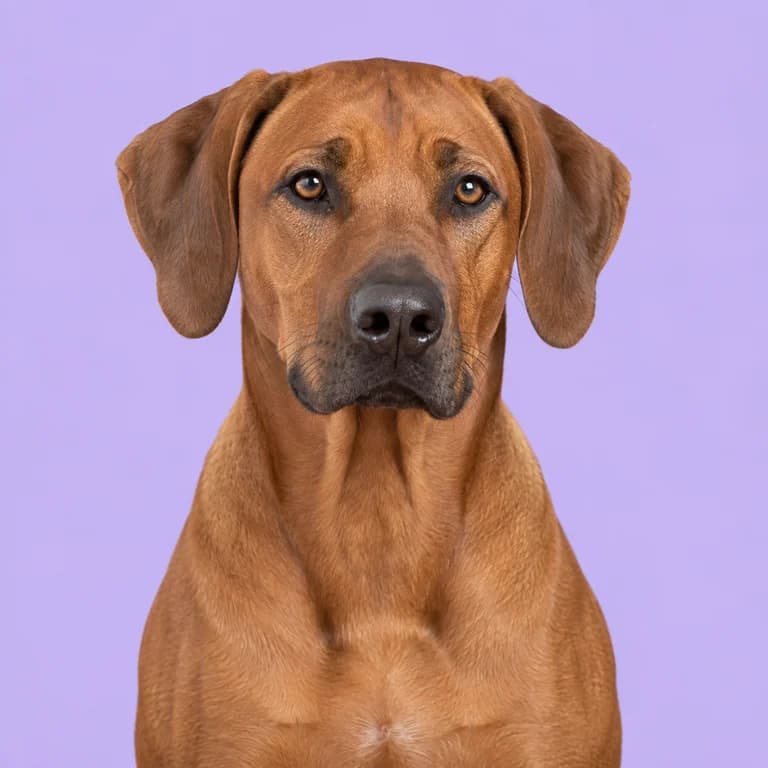
Original AI-generated breed illustration
Weight
29 to 41 kg
64 to 90 lb
Height
61 to 69 cm
at the shoulder
Life expectancy
10 to 12 yrs
Activity estimate
90 to 120 min
editorial daily planning range
Adult-size estimate
24 months
approximate model input
Life with a Rhodesian Ridgeback
The ridge tells the story. The Khoikhoi people of southern Africa kept hunting and guard dogs with a strip of backward-growing hair along the spine. From the 1600s onward, Dutch, German and Huguenot settlers crossed those dogs with the mastiffs, greyhounds, terriers and scent hounds they had brought with them, searching for a dog that could cope with heat, thorns, ticks and long days with little water.
In the 1870s a missionary, the Reverend Charles Helm, brought two ridged dogs into what is now Zimbabwe, and the hunter Cornelius van Rooyen bred from them. His dogs became known for working in small groups to track lions, hold them at bay with quick feints and stay out of reach until the hunter arrived. Their job was to stall the lion, not to fight it. A club formed in Bulawayo wrote the first standard in 1922, and the name Rhodesian Ridgeback stuck.
That history explains the modern dog. Ridgebacks are athletic, brave and independent, bred to make decisions far from their people. Indoors they are often calm, even lazy, stretched out in the warmest spot of the house for hours. Outdoors they switch on, especially when something small and fast moves.
They bond deeply with their family and tend to be aloof with strangers, watching rather than greeting. Young Ridgebacks are bouncy and heavy enough to knock over a toddler, so many breeders suggest waiting until children are at school before bringing one home.
A great match for
- experienced owners who like independent dogs
- runners and hikers once the dog is mature
- homes with a securely fenced garden
- families with school-age children
Think twice if
- expert counter surfer and bin raider
- strong prey drive and patchy recall
- boisterous and clumsy in adolescence
- reserved with strangers if not well socialized
Personality and needs at a glance
Living together
Good with children
Good with other dogs
Open with strangers
Apartment friendly
Copes with alone time
Energy and character
Energy level
Playfulness
Easy to train
Barking
5 means very vocal
Care and climate
Grooming needs
Shedding
Drooling
Handles cold
Handles heat
How much a Rhodesian Ridgeback eats
Illustrative calculations for neutered adults at midpoint breed weights, with food at 370 kcal per 100 g and 100 g per cup. These are not measured breed requirements. Use actual weight, the food label and veterinary body-condition advice.
| Dog | Weight | Calories | Dry food |
|---|---|---|---|
| Female, relaxed lifestyle | 32 kg | 1300 kcal | 350 g (3.5 cups) |
| Female, typical pet | 32 kg | 1490 kcal | 400 g (4 cups) |
| Male, typical pet | 38 kg | 1700 kcal | 460 g (4.5 cups) |
| Male, very active | 38 kg | 2120 kcal | 575 g (5.8 cups) |
Care guides for the Rhodesian Ridgeback
Things owners are often surprised by
- 1The first breed standard was drawn up in Bulawayo in 1922, loosely modeled on the Dalmatian standard of the time.
- 2A correct ridge has two matching whorls of hair, called crowns, just behind the shoulders.
- 3Lion hunters worked them in small groups to hold a lion at bay, not to kill it.
- 4Every puppy should be checked at birth for dermoid sinus, a tube-like skin defect along the spine.
- 5Some puppies in most litters are born without a ridge; they make equally good companions.
Rhodesian Ridgeback questions
Is every Rhodesian Ridgeback born with a ridge?
No. A small proportion of puppies in many litters are born ridgeless, because the ridge is caused by a dominant gene that not every puppy inherits. Ridgeless dogs cannot be shown or used for breeding under most club rules, but they are just as healthy and have the same temperament. Interestingly, the same gene that creates the ridge is linked to dermoid sinus, so ridgeless puppies are at lower risk of it.
Did Rhodesian Ridgebacks really hunt lions?
Yes, though not in the way many people imagine. Hunters used them in small groups to find a lion and keep it in one place by darting in and out of reach, barking and harassing it until the hunter arrived. A good dog avoided contact. The breed also guarded homesteads and hunted other game, which explains its mix of courage, agility and caution.
Are Rhodesian Ridgebacks good guard dogs?
They are naturally watchful and protective of their family, and their size alone deters most visitors. They rarely bark without reason, so a Ridgeback alert is worth checking. However, they are not bred for protection work and should never be encouraged to be aggressive. Good socialization produces a dog that observes strangers calmly and steps in only if something truly seems wrong.
How do I stop my Ridgeback stealing food from the counter?
Management first: clear worktops, keep bread and butter in cupboards, and use a baby gate or closed door when you cannot watch. Then teach a solid 'leave it' and a mat behavior, rewarding your dog for lying on its bed while you cook. Never leave food out to test your dog. A Ridgeback that succeeds once will keep checking for months.
Can Rhodesian Ridgebacks live with cats?
Many do, particularly when raised with a cat from puppyhood and taught that it is family. Prey drive varies between individuals, and a Ridgeback that is gentle with its own cat may still chase unfamiliar cats outside. Introduce carefully, give the cat high escape routes and supervise until you are certain. Adult rescue Ridgebacks with no cat history need a slow, well-managed test.
Popular answers for owners
- Puppy feeding and growthHow much should an 8 month old puppy eat?
- Bowls and feeding gearAre slow feeder mats better than slow feeder bowls?
- How much to feedWhat is the safest way to help an underweight rescue dog gain weight?
- How much to feedHow do I weigh my dog accurately at home?
- Exercise and playHow do you teach a dog the name of each toy?
- Grooming and coatHow often should I brush a long haired dog?
Breeds you might compare
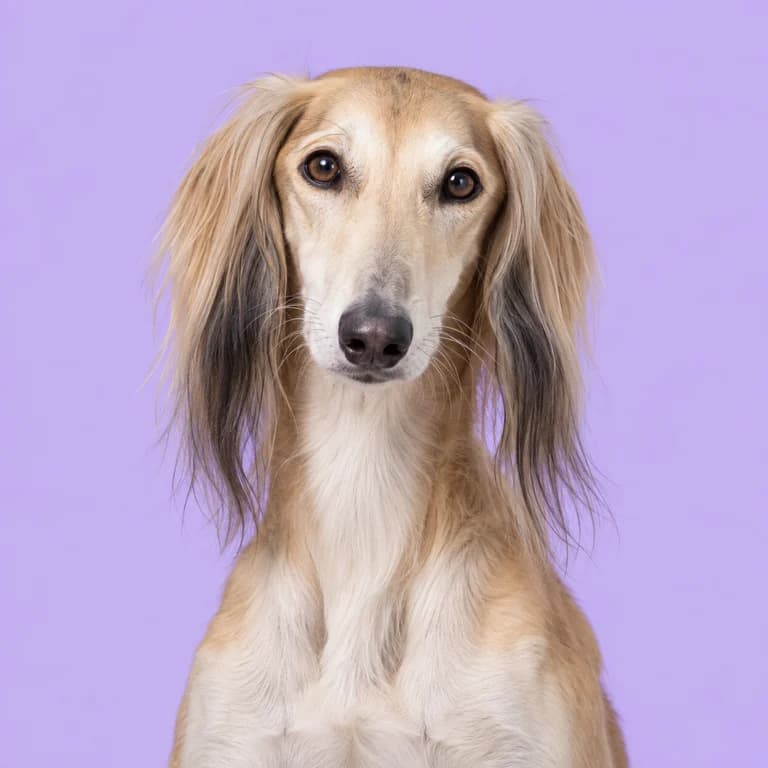
Hound group
Saluki
16 to 29 kg · 12 to 14 years
Bred for thousands of years to course gazelle across open desert, the Saluki brings a sprinter's heart to your sofa.
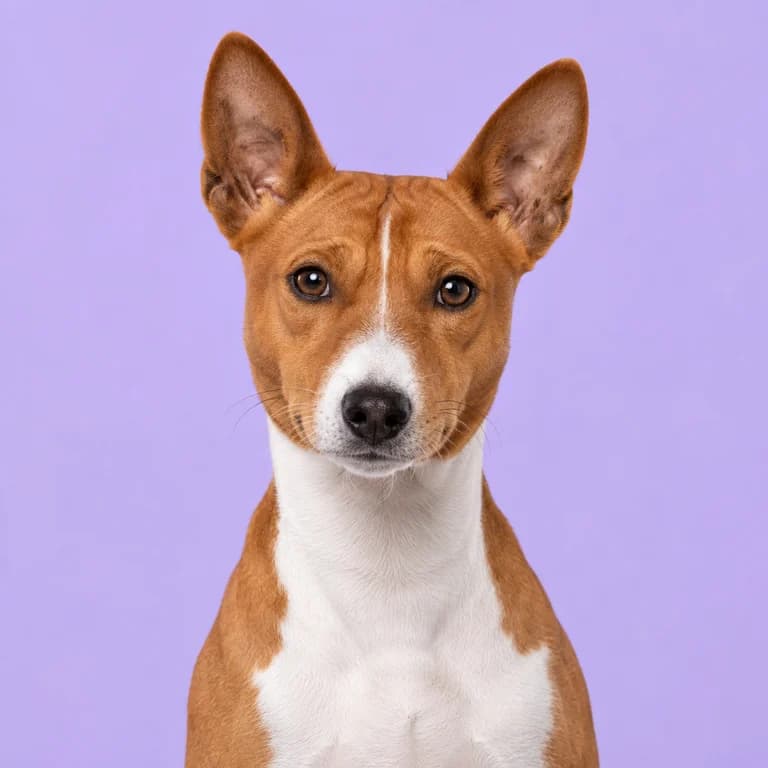
Hound group
Basenji
9 to 12 kg · 12 to 16 years
A Congo hunting dog of ancient lineage that yodels rather than barks and keeps itself clean like a cat.
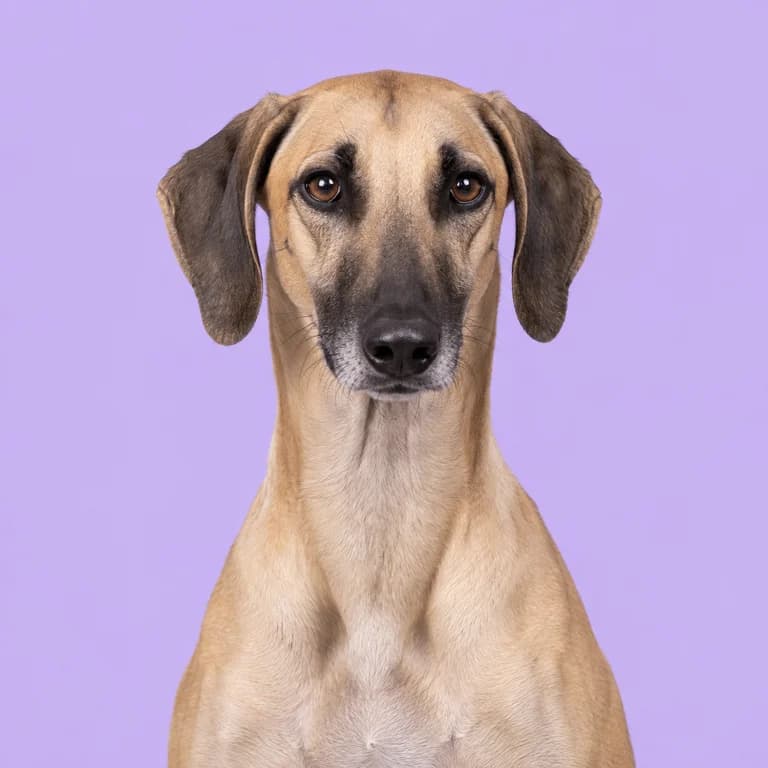
Hound group
Sloughi
18 to 28 kg · 12 to 15 years
A reserved North African sighthound that gives its heart to one family and keeps strangers at a polite distance.
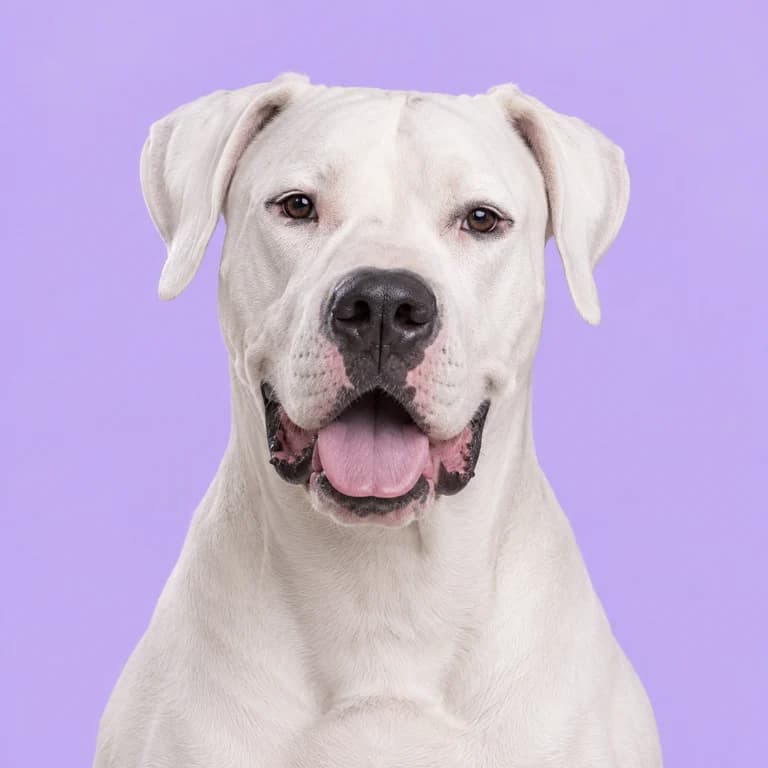
Working group
Dogo Argentino
35 to 45 kg · 10 to 12 years
A white Argentine hunting dog designed by two brothers to face boar and puma, now a devoted but demanding companion.
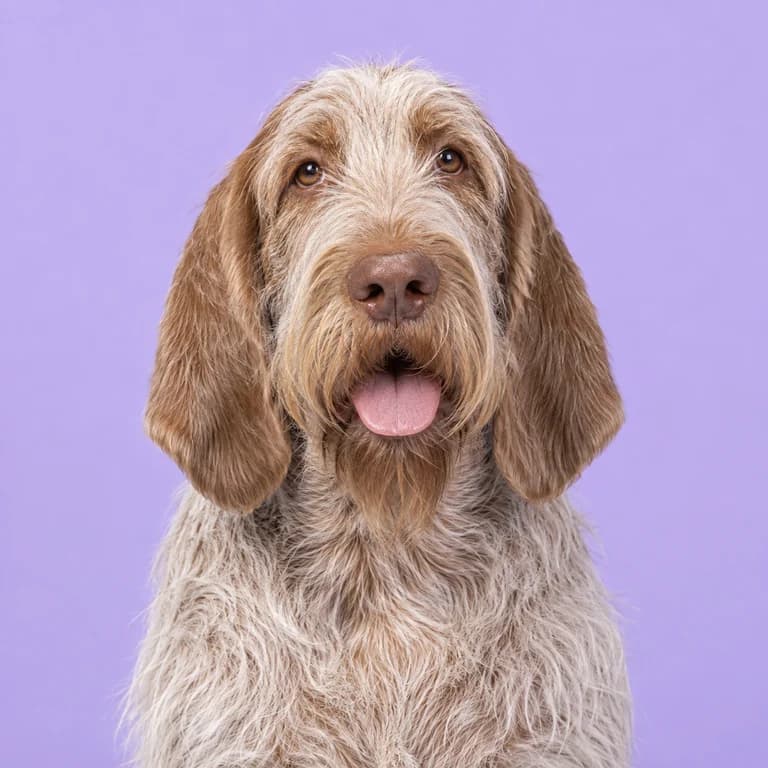
Sporting group
Spinone Italiano
28 to 39 kg · 10 to 12 years
A bearded Italian pointer with a gentle, patient soul and a pace best described as thoughtful.
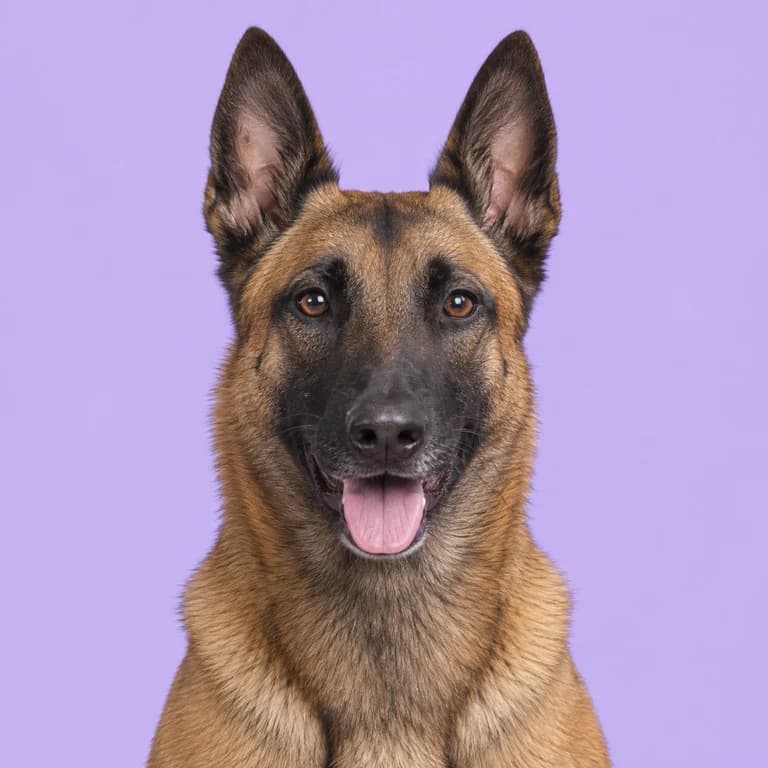
Herding group
Belgian Malinois
20 to 34 kg · 12 to 14 years
A lean Belgian herder turned police partner, built for work at full speed and bored by anything less.