Sources for this article
Toy group · Russia
Russian Toy
Also called Russkiy Toy, Russian Toy Terrier, Moscow Toy Terrier
One of the smallest dogs in the world, with long legs, huge ears and a terrier's alertness.
Weighing no more than 3 kg (6.6 lb), with long legs and large upright ears, the Russian Toy is one of the smallest breeds in the world. Lively and affectionate, it comes in smooth and long-haired varieties and needs careful handling because of its fragile build.
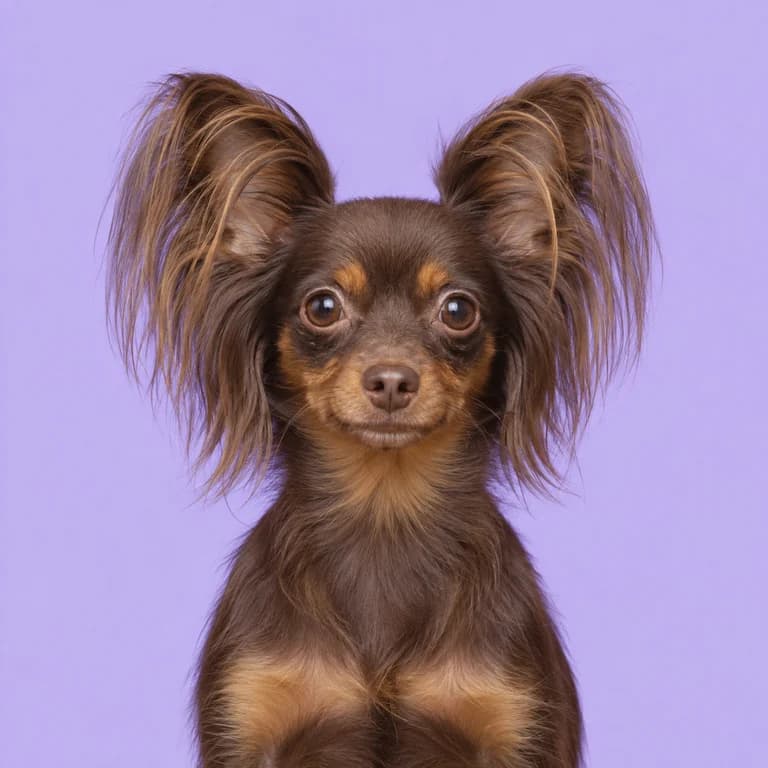
Original AI-generated breed illustration
Weight
1 to 3 kg
2 to 7 lb
Height
20 to 28 cm
at the shoulder
Life expectancy
12 to 14 yrs
Activity estimate
60 to 90 min
editorial daily planning range
Adult-size estimate
10 months
approximate model input
Life with a Russian Toy
In the late 1800s, English Toy Terriers were fashionable pets among Russian aristocrats, who prized tiny, elegant dogs. After the revolution of 1917 that kind of dog fell out of favor and numbers dropped sharply. In the 1950s Soviet breeders began rebuilding a toy terrier from the dogs that remained, and the type they produced was distinctly Russian: lighter in bone, longer in the leg and topped with large, upright ears.
In 1958 a Moscow breeder produced a puppy with long fringes on its ears and legs from two smooth-coated parents, and that line became the long-haired variety, known for years as the Moscow Long-Haired Toy Terrier. For decades the breed was barely known outside Russia. After the 1990s it spread across Europe and beyond, and the FCI granted it full recognition in 2017.
Owning one means sharing your home with a dog you can lift with one hand. A Russian Toy is lively, alert and affectionate, and usually very attached to its owner. It is also physically fragile, so daily life has to be arranged around its size: careful handling, no leaps from high furniture, and constant attention to where you put your feet.
What stands out
Puppy growth
At eight weeks most puppies weigh somewhere between 500 g and 1 kg (1 to 2 lb), and they reach adult size by about 8 to 10 months. Long-haired dogs keep developing their fringes for much longer, often up to 3 years, so a young adult may look surprisingly plain.
Read the full puppy growth guideIllustrative model, not observed breed data or a healthy-weight standard. Use actual measurements and veterinary advice to assess growth.
A great match for
- apartment living
- adults and families without small children
- owners who want a portable companion
- people at home for most of the day
Think twice if
- fragile legs easily broken by falls or being stepped on
- sensitivity to cold
- tendency to bark at noises
- retained puppy teeth and dental problems
- nervousness if overprotected
Personality and needs at a glance
Living together
Good with children
Good with other dogs
Open with strangers
Apartment friendly
Copes with alone time
Energy and character
Energy level
Playfulness
Easy to train
Barking
5 means very vocal
Care and climate
Grooming needs
Shedding
Drooling
Handles cold
Handles heat
How much a Russian Toy eats
Illustrative calculations for neutered adults at midpoint breed weights, with food at 370 kcal per 100 g and 100 g per cup. These are not measured breed requirements. Use actual weight, the food label and veterinary body-condition advice.
| Dog | Weight | Calories | Dry food |
|---|---|---|---|
| Female, relaxed lifestyle | 2 kg | 160 kcal | 45 g (0.5 cups) |
| Female, typical pet | 2 kg | 190 kcal | 50 g (0.5 cups) |
| Male, typical pet | 2 kg | 190 kcal | 50 g (0.5 cups) |
| Male, very active | 2 kg | 240 kcal | 65 g (0.8 cups) |
Care guides for the Russian Toy
Things owners are often surprised by
- 1Stands just 20 to 28 cm (8 to 11 in) and weighs up to 3 kg (6.6 lb)
- 2Descended from English Toy Terriers that were fashionable among the Russian aristocracy before 1917
- 3The long-haired variety began in Moscow in 1958, from two smooth-coated parents with unusually long ear hair
- 4Given full FCI recognition in 2017
- 5Ear fringes on long-haired dogs can take up to 3 years to reach full length
Russian Toy questions
How small is a Russian Toy?
Adults stand 20 to 28 cm (8 to 11 in) at the shoulder and weigh up to 3 kg (6.6 lb), with many between 1.5 and 2.5 kg. That places it among the smallest breeds, similar in weight to a Chihuahua but taller and leggier. Good breeders avoid producing dogs much under about 1.5 kg, because extreme smallness increases health risks.
What is the difference between a Russian Toy and a Chihuahua?
The Russian Toy has a leggier, more elegant build and descends from English Toy Terriers, while the Chihuahua comes from Mexico and has a rounder, apple-shaped head. Both are tiny, alert companions. Russian Toys often have a more terrier-like temperament, and their long-haired variety has distinctive fringed ears.
Are Russian Toys good with children?
They suit homes with older, calm children best. Their bones are delicate, and a fall from a child's arms or an accidental step can cause serious injury. Young children should sit on the floor to hold the dog, and every interaction should be supervised by an adult.
Do Russian Toys bark a lot?
Many are vocal and alert, barking at noises, visitors or other dogs. Early training, rewarding quiet moments, and enough daily activity help keep it under control. In apartments with shared walls it pays to start this training in the very first weeks at home, before barking becomes a habit.
Do long-haired Russian Toys shed?
Both varieties shed moderately, and the long-haired variety tends to leave more noticeable hair around the house. Regular brushing keeps loose hair under control. Neither variety is considered hypoallergenic, so allergy sufferers should spend time with the breed before committing.
Popular answers for owners
- How much to feedHow many grams are in a cup of dry dog food?
- How much to feedHow do I measure a portion of raw dog food?
- Grooming and coatIs it safe to let my dog air dry outside in cold weather?
- Bowls and feeding gearCan a slow feeder bowl be used for wet food?
- Bowls and feeding gearWhat type of puzzle feeder is best for a smart dog?
- Exercise and playCan all dogs swim naturally?
Breeds you might compare
Toy group
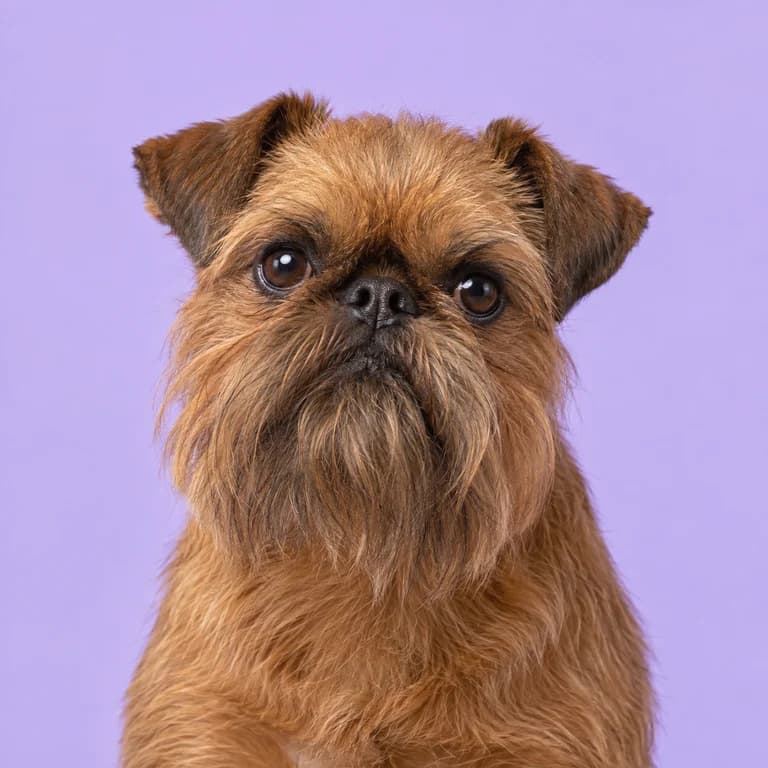
Brussels Griffon
3 to 6 kg · 12 to 15 years
A small bearded Belgian with an almost human stare and a big opinion about who belongs to it.
Toy group
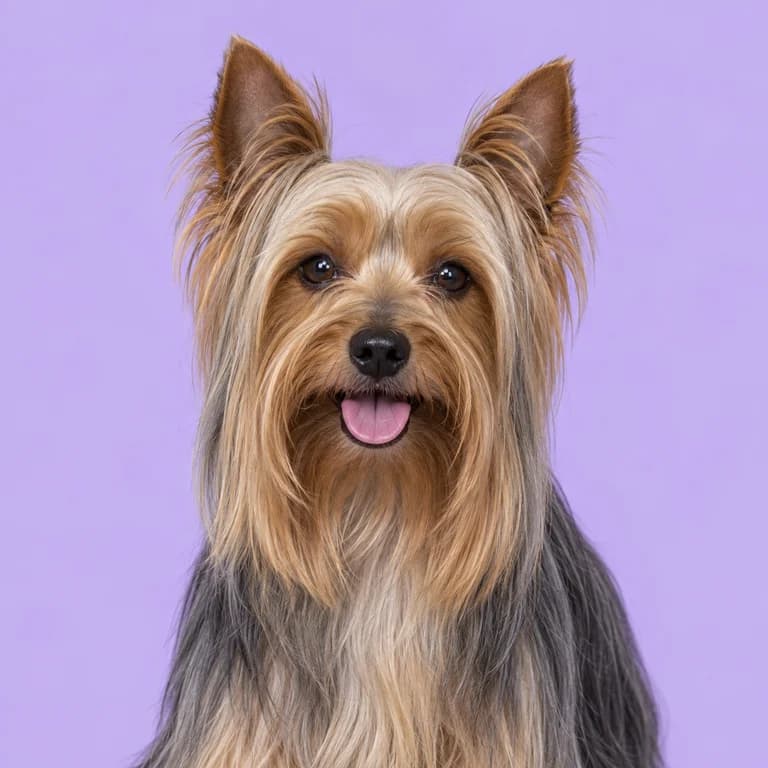
Silky Terrier
4 to 5 kg · 13 to 15 years
A true terrier in a toy-sized body, dressed in blue and tan silk and still keen to catch a rat.
Toy group
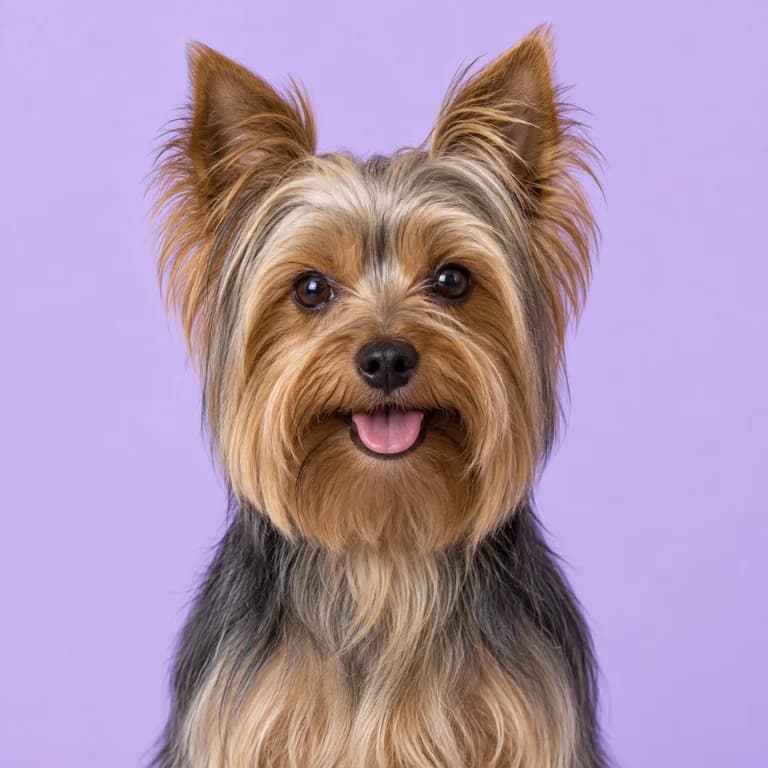
Yorkshire Terrier
2 to 3 kg · 12 to 15 years
Three kilos of mill-town ratter wrapped in silk, with the self-belief of a dog ten times the size.
Toy group
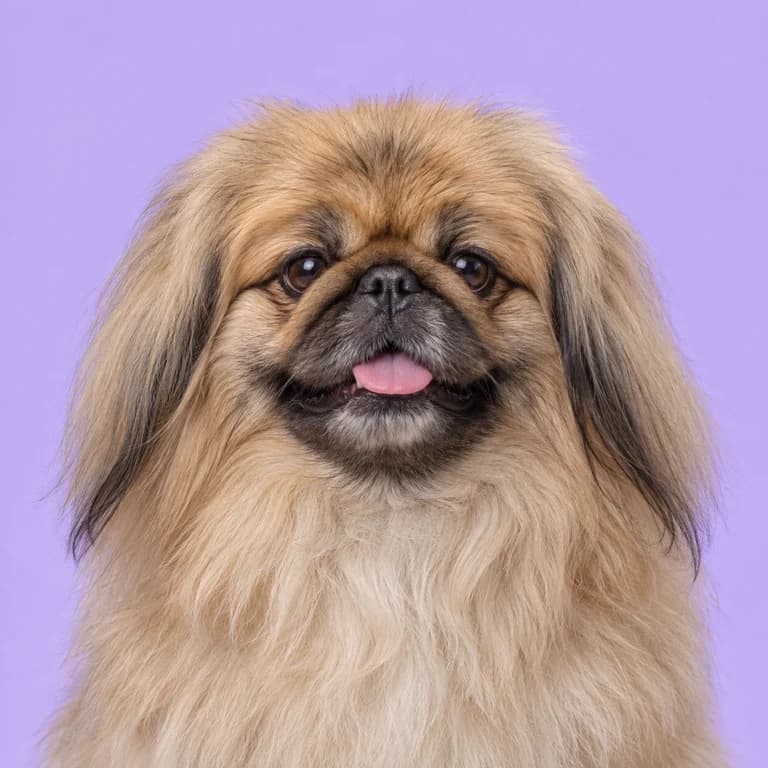
Pekingese
3 to 6 kg · 12 to 14 years
A dignified little dog from the Chinese imperial court, whose flat face and heavy coat shape almost every care decision.
Toy group
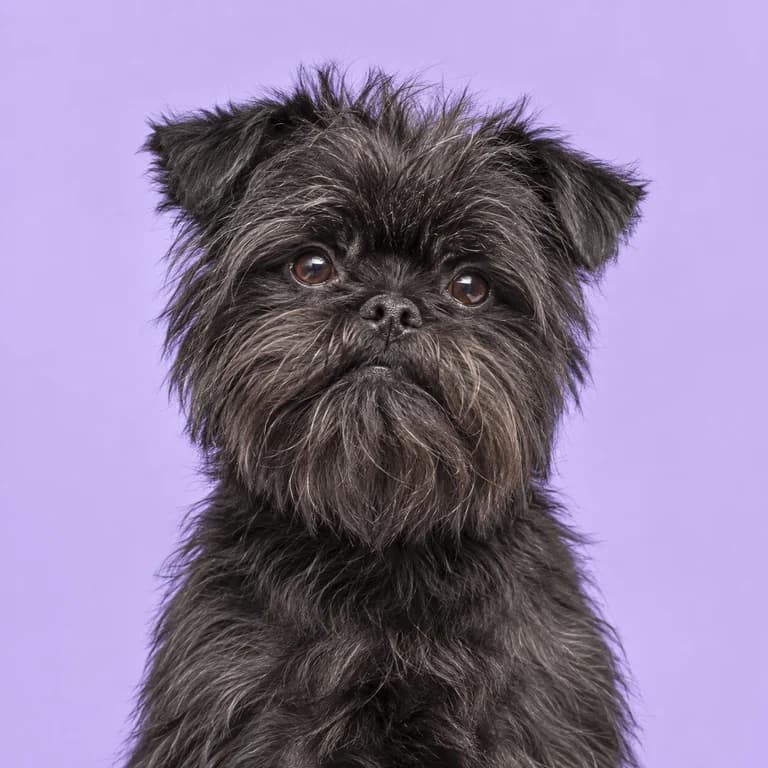
Affenpinscher
3 to 6 kg · 12 to 15 years
Barely 4 kg of confidence, a monkey-faced stable ratter that behaves as if nobody told it how small it is.
Toy group
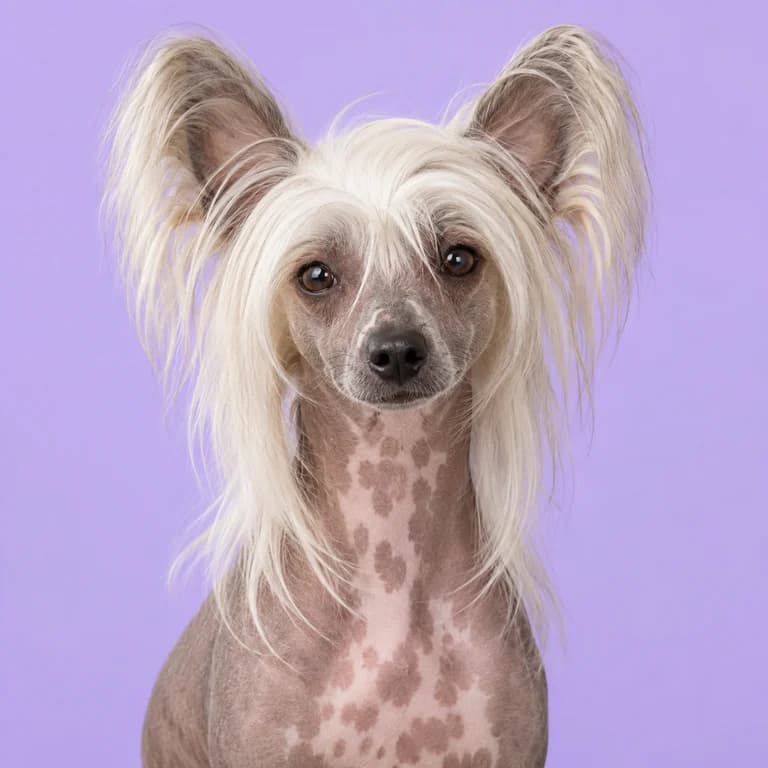
Chinese Crested
3 to 5 kg · 13 to 16 years
A toy breed that arrives in two coats from the same litter, with skin needing as much care as hair.