Sources for this article
Hound group · Spain (Balearic Islands)
Ibizan Hound
Also called Podenco Ibicenco, Ca Eivissenc, Beezer
A graceful island hunter that tracks rabbits by sight, sound and scent, and clears fences from a standstill.
The Ibizan Hound was developed on the Balearic Islands to hunt rabbits on rocky terrain, often in packs. It is lean, agile and famous for its huge upright ears and remarkable jumping ability. Clownish at home but serious in the field, it suits active owners with very secure outdoor space.
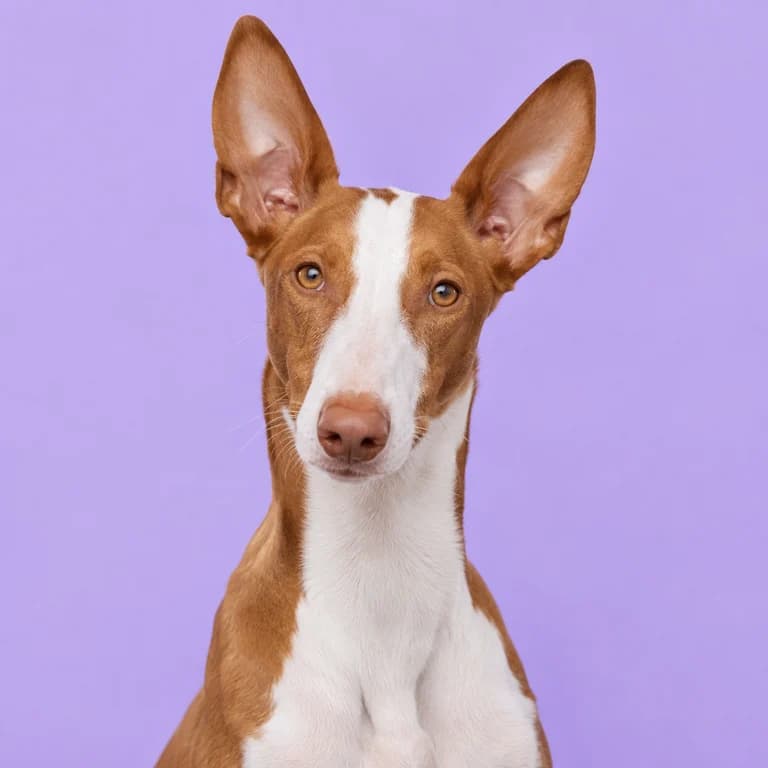
Original AI-generated breed illustration
Weight
19 to 25 kg
42 to 55 lb
Height
60 to 72 cm
at the shoulder
Life expectancy
11 to 14 yrs
Activity estimate
120 to 150 min
editorial daily planning range
Adult-size estimate
18 months
approximate model input
Life with a Ibizan Hound
Watch an Ibizan Hound hunt and you will see a dog that uses every sense. Ears twist to catch rustles in scrub, the nose follows a trail, and when a rabbit breaks cover the hound launches into a sprint with sudden leaps over rocks and bushes. On the islands of Ibiza and Mallorca, local hunters traditionally used these dogs in packs, often mostly females, to find and flush rabbits for the table.
The breed is often said to descend from hounds brought by Phoenician traders, and it bears a striking resemblance to dogs shown in ancient Egyptian art. However, genetic studies suggest that the modern Ibizan is not especially ancient, and that the resemblance may be due to similar function rather than direct descent. Either way, the breed has been shaped for centuries by hunting on rough island terrain.
At home, Ibizans are affectionate, gentle and playful, but they are also independent thinkers. Many are quiet indoors, lounging on soft furniture, and then transform outdoors into athletic hunters. Their curiosity and jumping skills mean they need secure spaces and supervision.
One quirk surprises new owners: height plus spring makes kitchen worktops an easy target. An Ibizan standing on its hind legs can reach the back of a counter, and some simply hop up. Many households end up clearing surfaces after every meal, and fans of the breed treat this as part of the charm.
A great match for
- active households with secure fencing
- owners who enjoy lure coursing or agility
- warm climates
- people seeking a quiet, gentle companion indoors
Think twice if
- exceptional jumping and escape skills
- strong prey drive
- unreliable recall
- sensitivity to cold
Personality and needs at a glance
Living together
Good with children
Good with other dogs
Open with strangers
Apartment friendly
Copes with alone time
Energy and character
Energy level
Playfulness
Easy to train
Barking
5 means very vocal
Care and climate
Grooming needs
Shedding
Drooling
Handles cold
Handles heat
How much an Ibizan Hound eats
Illustrative calculations for neutered adults at midpoint breed weights, with food at 370 kcal per 100 g and 100 g per cup. These are not measured breed requirements. Use actual weight, the food label and veterinary body-condition advice.
| Dog | Weight | Calories | Dry food |
|---|---|---|---|
| Female, relaxed lifestyle | 21 kg | 960 kcal | 260 g (2.5 cups) |
| Female, typical pet | 21 kg | 1100 kcal | 295 g (3 cups) |
| Male, typical pet | 23 kg | 1180 kcal | 320 g (3.3 cups) |
| Male, very active | 23 kg | 1470 kcal | 395 g (4 cups) |
Care guides for the Ibizan Hound
Things owners are often surprised by
- 1Often associated with ancient Egyptian hound art, though modern genetic studies suggest a more recent origin
- 2Can jump over 1.5 m (5 ft) from a standing start
- 3Hunts using sight, hearing and scent, unlike most sighthounds that rely mainly on sight
- 4Comes in two coat types, smooth and wire
- 5Has large, upright ears and a flesh-colored nose that matches its coat
Ibizan Hound questions
How high can an Ibizan Hound jump?
Many can jump over 1.5 m (5 ft) from a standstill, and some even higher with a run-up. This makes secure fencing essential. Owners often need fences at least 1.8 m (6 ft) tall. Their jumping ability was useful for hunting in rough terrain but can make them escape artists at home.
Are Ibizan Hounds good with cats?
Some can live with cats if raised with them, but their prey drive is strong. Many will chase cats or small animals outdoors, even if they are friendly indoors. Introductions should be slow and supervised, and small pets like rabbits or rodents are usually a poor match.
What is the difference between smooth and wire Ibizan Hounds?
The smooth has a short, close coat, while the wire has a slightly longer, harsher coat, often with a small beard. Both have the same temperament and care needs, though wire coats may need occasional hand-stripping. Both types can appear in the same litter.
Do Ibizan Hounds bark a lot?
They are generally quiet dogs indoors, but they may bark when excited or when hunting. Some owners describe a distinctive yelp or bark when they spot prey. Most are not nuisance barkers if their exercise and mental needs are met.
Are Ibizan Hounds good for first-time owners?
They can be, for active first-time owners who are prepared for their independence, jumping ability and prey drive. Secure fencing, consistent training and regular exercise are essential. Owners who want a very obedient dog may find the Ibizan frustrating at times.
Popular answers for owners
- Grooming and coatIs it safe to use a hair dryer on a dog?
- Bowls and feeding gearCan feeding multiple dogs from one big bowl cause problems?
- How much to feedHow many calories does my dog need per day?
- Exercise and playHow do I set up a simple home agility course?
- Exercise and playCan an under exercised dog become destructive?
- Grooming and coatCan I groom my dog myself instead of using a groomer?
Breeds you might compare
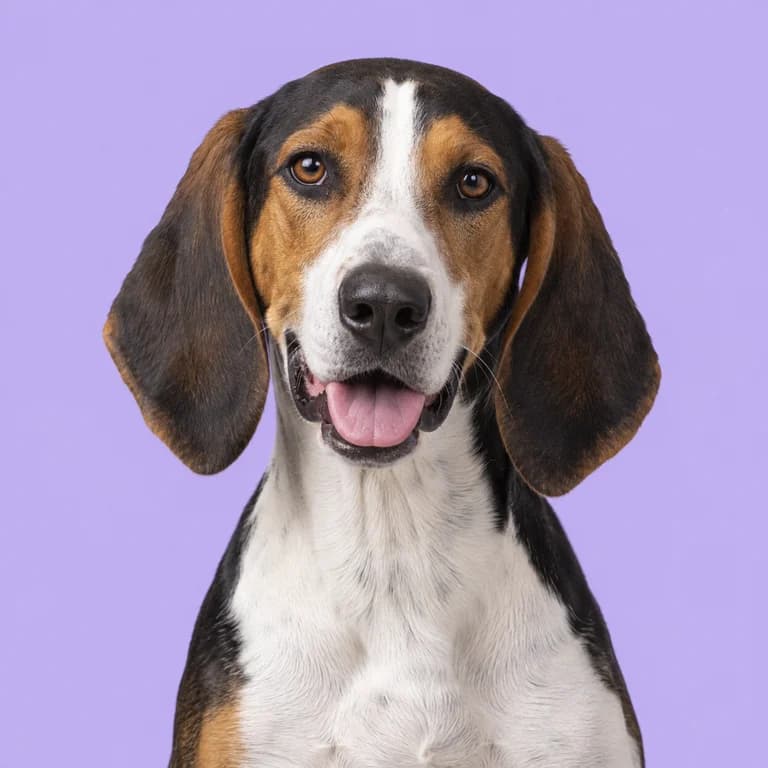
Hound group
Treeing Walker Coonhound
22 to 32 kg · 12 to 13 years
An American night-hunting hound with huge stamina, a voice that carries for miles and a friendly nature.
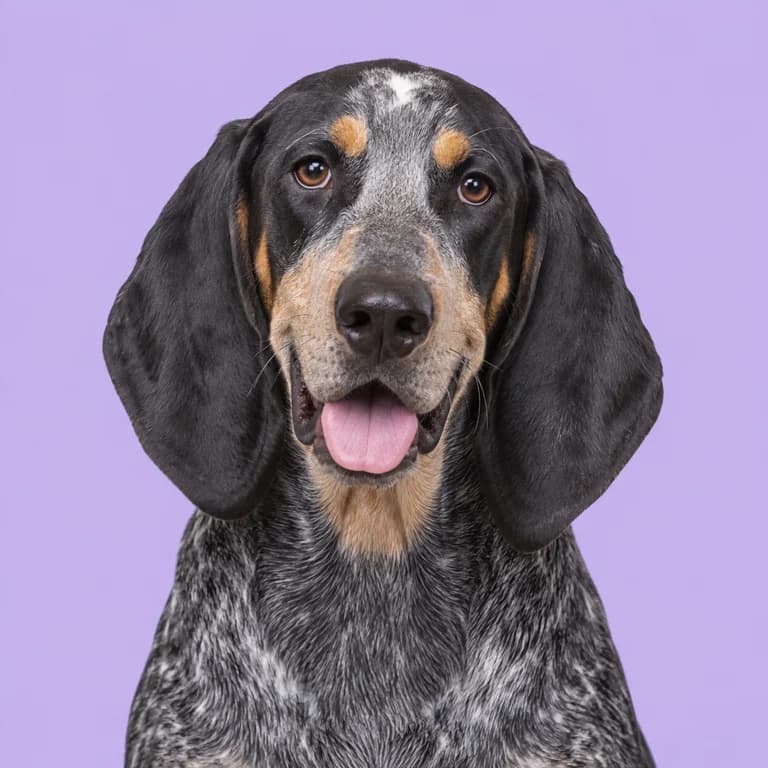
Hound group
Bluetick Coonhound
20 to 36 kg · 11 to 12 years
A cold-nosed American hound with a booming voice that follows a raccoon's trail long after it has faded.
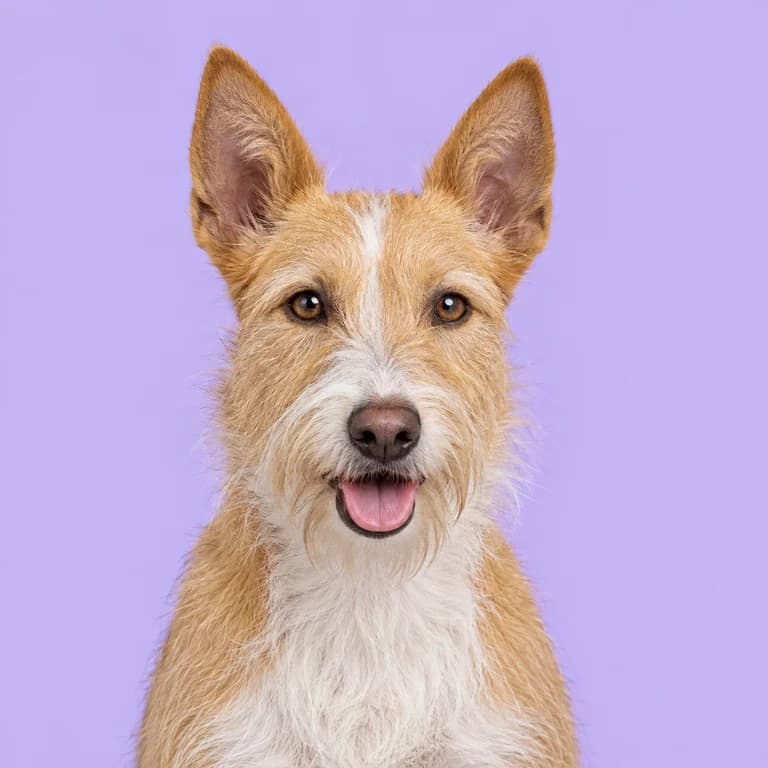
Hound group
Portuguese Podengo
4 to 30 kg · 12 to 15 years
Portugal's rabbit hunter comes in three sizes and two coats, all sharing big ears, sharp senses and a lively mind.
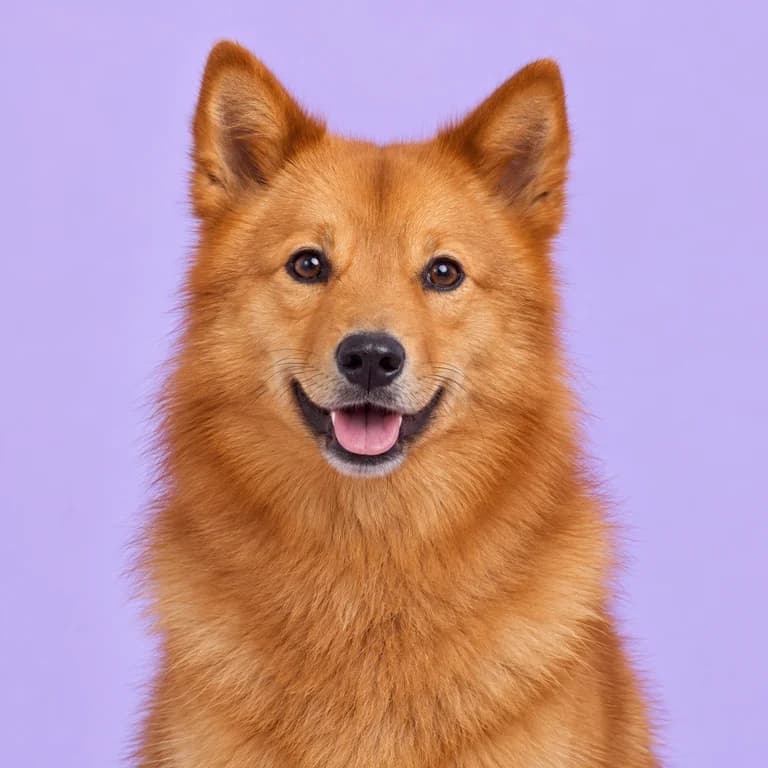
Non-sporting group
Finnish Spitz
9 to 15 kg · 13 to 15 years
Finland's fox-red bird dog, built to bark a treed capercaillie into staying put, and happy to narrate your day.
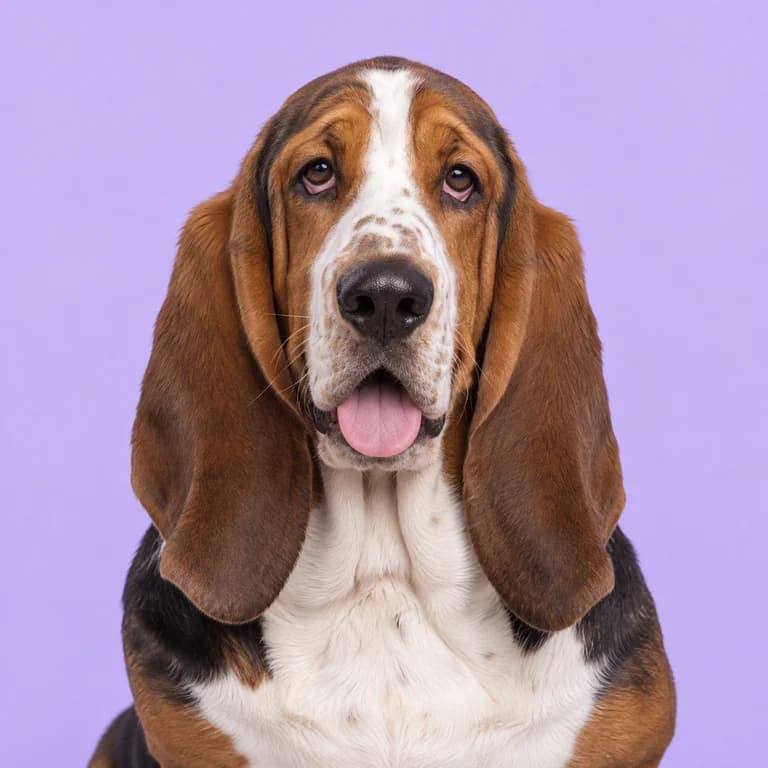
Hound group
Basset Hound
20 to 29 kg · 10 to 12 years
A scent hound nearly as heavy as a Labrador, built on legs barely 35 cm tall.
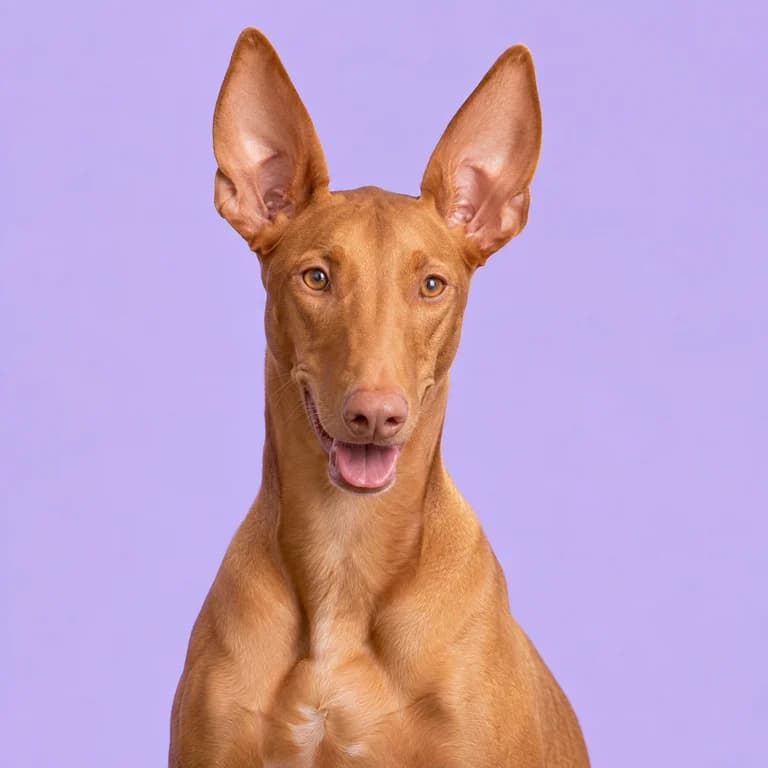
Hound group
Pharaoh Hound
18 to 25 kg · 12 to 14 years
Malta's national dog, a night-hunting rabbit hound whose ears and nose flush pink when it is happy.