Sources for this article
Terrier group · England
Miniature Bull Terrier
Also called Mini Bull Terrier, Mini Bully
An egg-shaped head, a triangular wink of an eye and a personality far bigger than its compact frame.
The Miniature Bull Terrier is a scaled-down Bull Terrier with the same playful, stubborn, deeply affectionate character. It is funny, physical and loyal, but it can be pushy with other dogs and does not take kindly to being ignored. Owners who enjoy a strong personality tend to be devoted for life.
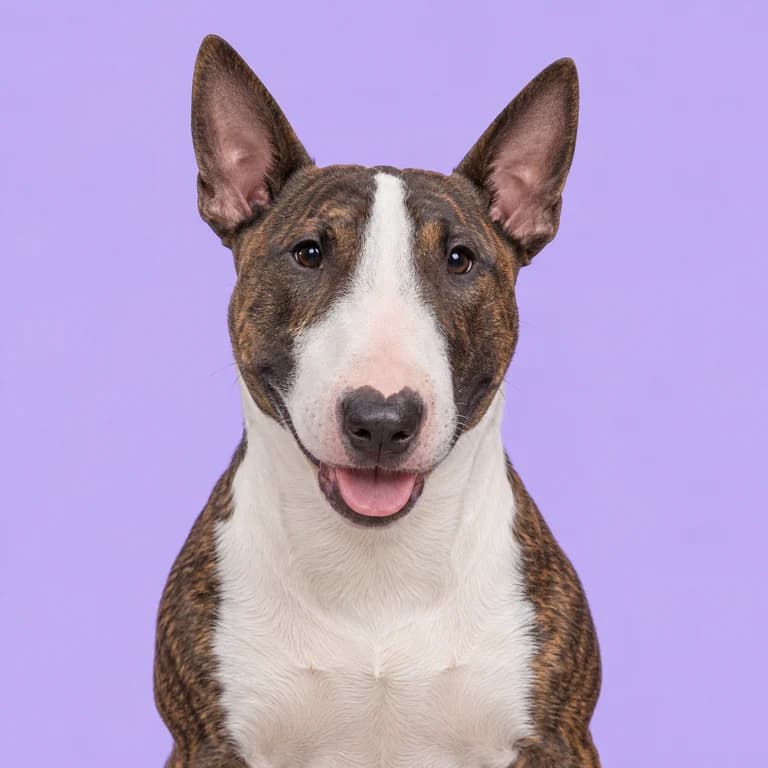
Original AI-generated breed illustration
Weight
9 to 15 kg
20 to 33 lb
Height
25 to 36 cm
at the shoulder
Life expectancy
11 to 14 yrs
Activity estimate
90 to 120 min
editorial daily planning range
Adult-size estimate
14 months
approximate model input
Life with a Miniature Bull Terrier
Mini Bull Terriers do not do anything halfway. They play hard, sleep deeply, love with full-body enthusiasm and object loudly with their whole posture when they disagree. Many owners describe them as three-year-old children in a dog suit: sweet, mischievous and occasionally exhausting.
The breed shares its history with the standard Bull Terrier, created in 19th century England from bulldog and terrier crosses, later refined into the gleaming white 'gentleman's companion'. Smaller specimens were always part of the population, and breeders eventually separated them into their own breed, with the focus on height rather than weight.
They are generally friendly with people, including visitors, and often clownish. The character trait that surprises new owners is intensity: a Mini Bull fixated on a ball, a leaf or another dog can seem to tune out the world. That same focus makes them brilliant at games and demanding to live with when bored. A Mini Bull that has had a good walk and a round of tug, though, is usually content to lean its whole weight against your leg on the sofa for the rest of the evening.
What stands out
Training
Mini Bulls learn quickly when they see a reason to, and very slowly when they do not. They respond best to food and play rewards, short sessions and plenty of variety. Harsh handling tends to create a standoff that the dog is usually prepared to win.
Read the full training guideEasy to train
Open with strangers
Good with other dogs
A great match for
- experienced dog owners
- adults who want a playful, physical companion
- active homes with no other pets
- people at home for much of the day
Think twice if
- can be intolerant of other dogs, especially same-sex
- stubborn in training
- chews destructively when bored
- high prey drive toward cats and small animals
Personality and needs at a glance
Living together
Good with children
Good with other dogs
Open with strangers
Apartment friendly
Copes with alone time
Energy and character
Energy level
Playfulness
Easy to train
Barking
5 means very vocal
Care and climate
Grooming needs
Shedding
Drooling
Handles cold
Handles heat
How much a Miniature Bull Terrier eats
Illustrative calculations for neutered adults at midpoint breed weights, with food at 370 kcal per 100 g and 100 g per cup. These are not measured breed requirements. Use actual weight, the food label and veterinary body-condition advice.
| Dog | Weight | Calories | Dry food |
|---|---|---|---|
| Female, relaxed lifestyle | 12 kg | 610 kcal | 165 g (1.8 cups) |
| Female, typical pet | 12 kg | 700 kcal | 190 g (2 cups) |
| Male, typical pet | 13 kg | 770 kcal | 205 g (2 cups) |
| Male, very active | 13 kg | 960 kcal | 260 g (2.5 cups) |
Care guides for the Miniature Bull Terrier
Things owners are often surprised by
- 1The standard sets height at 25 to 36 cm (10 to 14 in), with weight simply in proportion to height.
- 2The Kennel Club in Britain recognized it as a separate breed in 1939, the American Kennel Club in 1991.
- 3It is the only well-known breed with a truly egg-shaped head, filled in from ear to nose with no stop.
- 4Primary lens luxation, an inherited eye condition, can be screened for with a DNA test.
- 5Some Mini Bulls develop repetitive behaviors such as tail spinning, so early outlets for energy matter.
Miniature Bull Terrier questions
What is the difference between a Bull Terrier and a Miniature Bull Terrier?
They look almost identical, but the Miniature is limited to 25 to 36 cm (10 to 14 in) in height, while the standard Bull Terrier is usually 50 to 60 cm tall and much heavier. Temperament is similar. The smaller size makes Minis easier to handle and house, though they are still strong, muscular dogs.
Are Miniature Bull Terriers aggressive?
They are usually friendly with people, but many can be intolerant of other dogs, especially of the same sex, and they have a strong prey drive. Good breeding, early socialization and careful management make a big difference. Supervise interactions and avoid off-lead dog parks until you know your individual dog well.
Why does my Mini Bull Terrier chase its tail?
Tail chasing and spinning are known in the breed and can become compulsive. Boredom, stress and genetics may all play a part. Avoid laughing or encouraging it, provide more structured activity, and interrupt calmly with a different task. If spinning is frequent or hard to interrupt, talk to your vet, who may refer you to a behavior specialist.
Can a Miniature Bull Terrier live with a cat?
Some can, particularly when raised with a confident cat from early puppyhood. Adult Mini Bulls with strong prey drive may never be trustworthy with cats. Introduce slowly with the dog on a lead, reward calm focus on you, give the cat escape routes, and do not leave them alone together unsupervised.
Is a Miniature Bull Terrier suitable for an apartment?
It can be, provided the dog gets at least an hour of exercise and some training or puzzle work every day. Mini Bulls are not big barkers, which helps with neighbors. The risks are boredom and chewing: a Mini Bull left alone in a small flat all day may redecorate the doorframes. Midday walks or daycare solve most of this.
Popular answers for owners
- Grooming and coatWhy do my clippers overheat or pull my dog's coat?
- How much to feedWhat is a simple rule of thumb for calories per kilogram of body weight?
- Bowls and feeding gearWhat size bowl does my dog need?
- How much to feedHow do I calculate my dog's daily calorie needs?
- Grooming and coatHow do I trim the hair around my dog's eyes safely?
- Grooming and coatWhich dogs shed the least?
Breeds you might compare
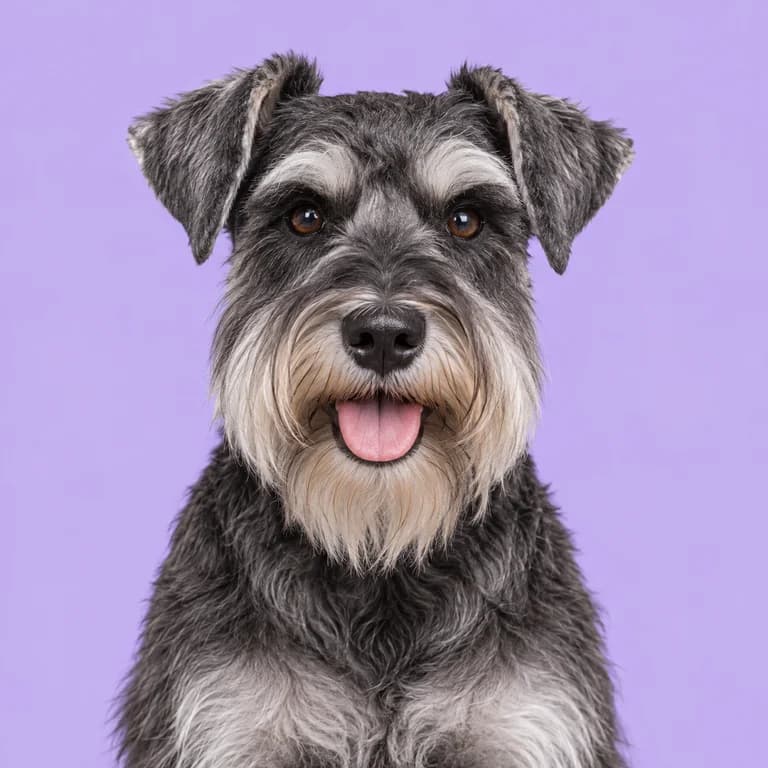
Terrier group
Miniature Schnauzer
5 to 9 kg · 12 to 15 years
A bearded farmyard ratter whose wiry coat needs a plan and whose opinions come out loud.
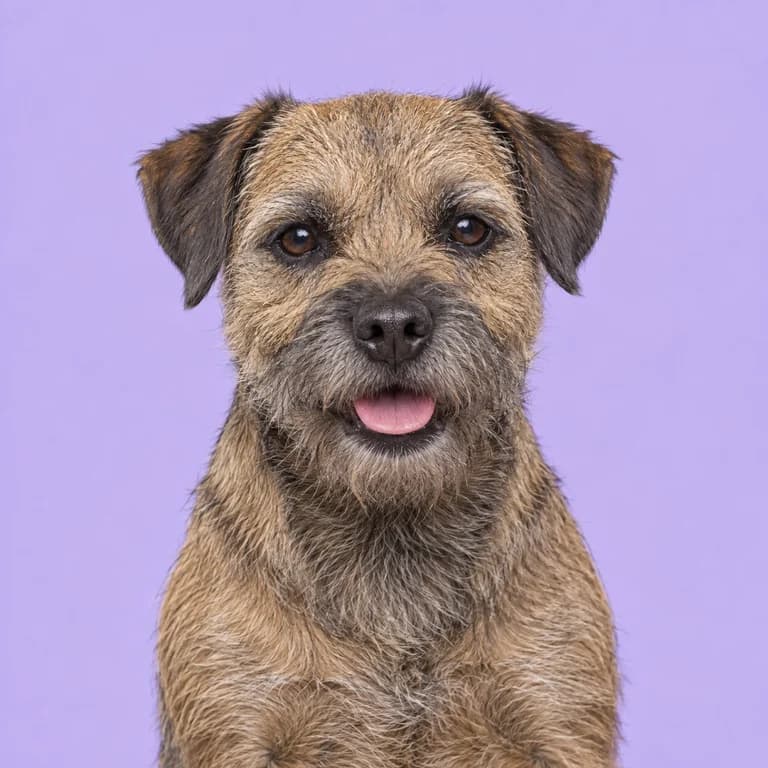
Terrier group
Border Terrier
5 to 7 kg · 12 to 15 years
A terrier with legs long enough to keep up with a hunt on horseback and stamina to spare afterwards.
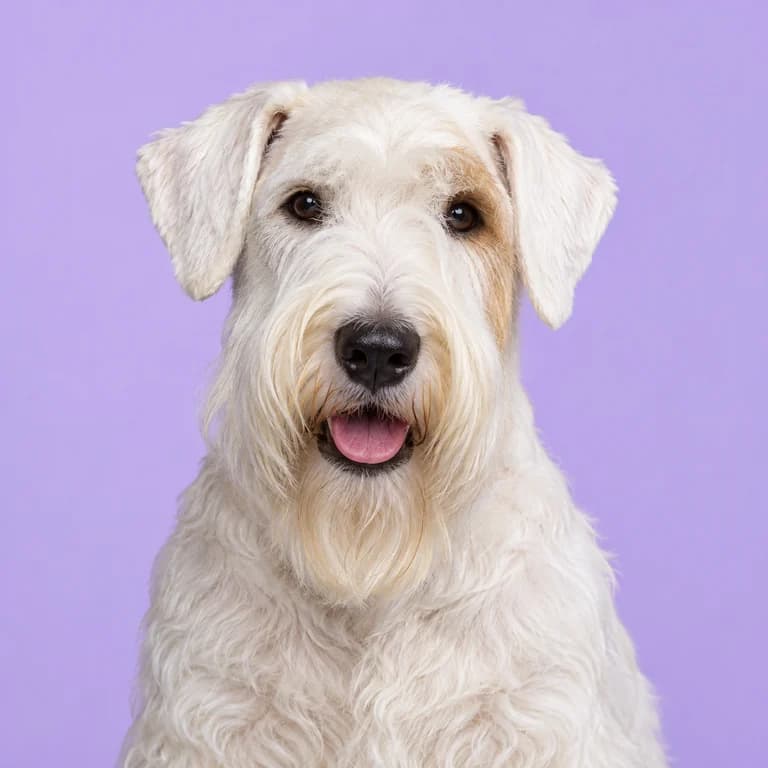
Terrier group
Sealyham Terrier
8 to 11 kg · 12 to 14 years
A sturdy Welsh badger terrier created on one Pembrokeshire estate, now rare, charming and quietly comic.
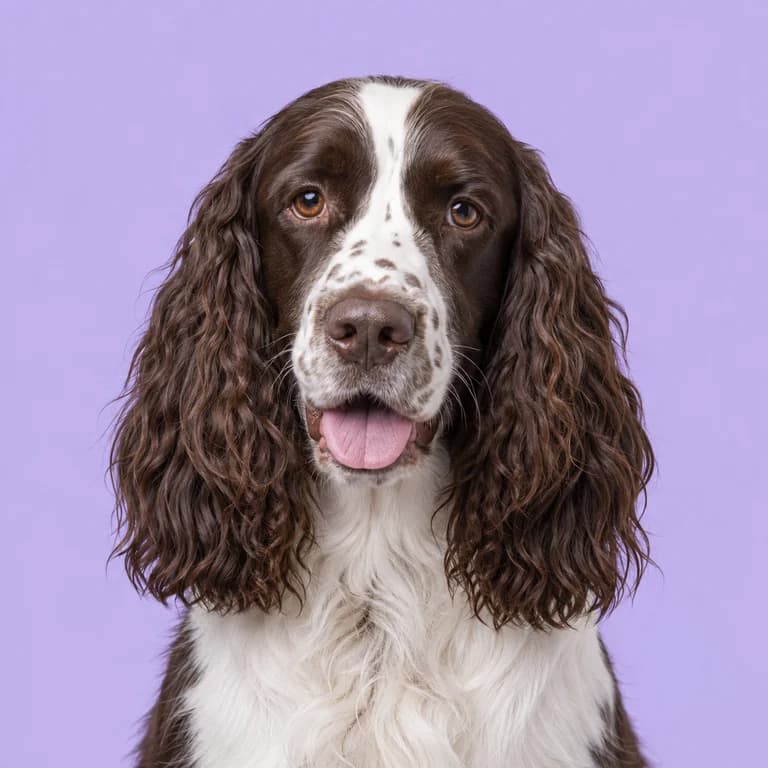
Sporting group
English Springer Spaniel
18 to 25 kg · 12 to 14 years
A tireless flushing spaniel that treats every hedge as a job and every walk as a hunt.
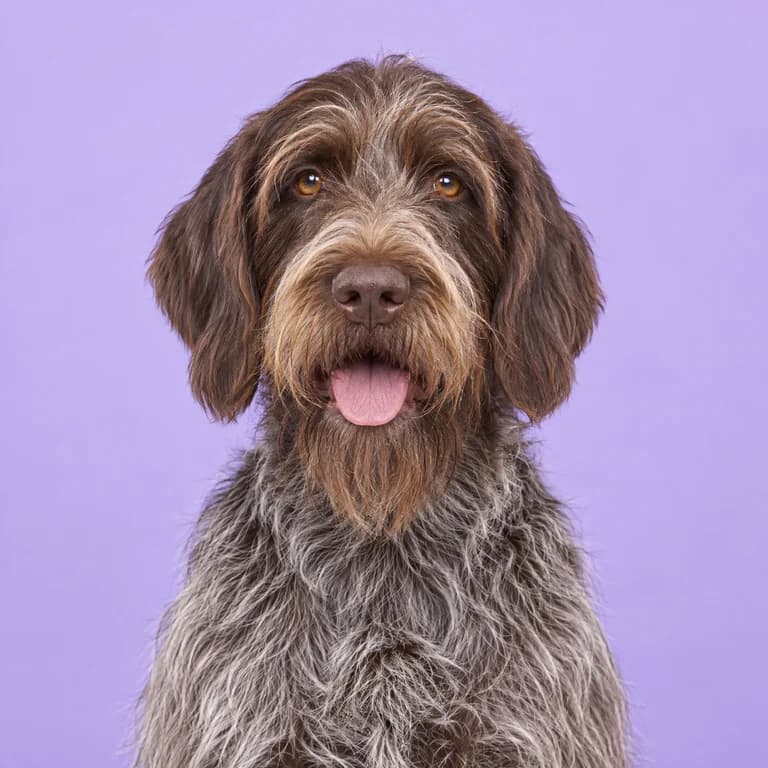
Sporting group
Wirehaired Pointing Griffon
20 to 32 kg · 12 to 14 years
A bearded, close-working bird dog shaped by one man's obsession, eager to please and happiest in mud.
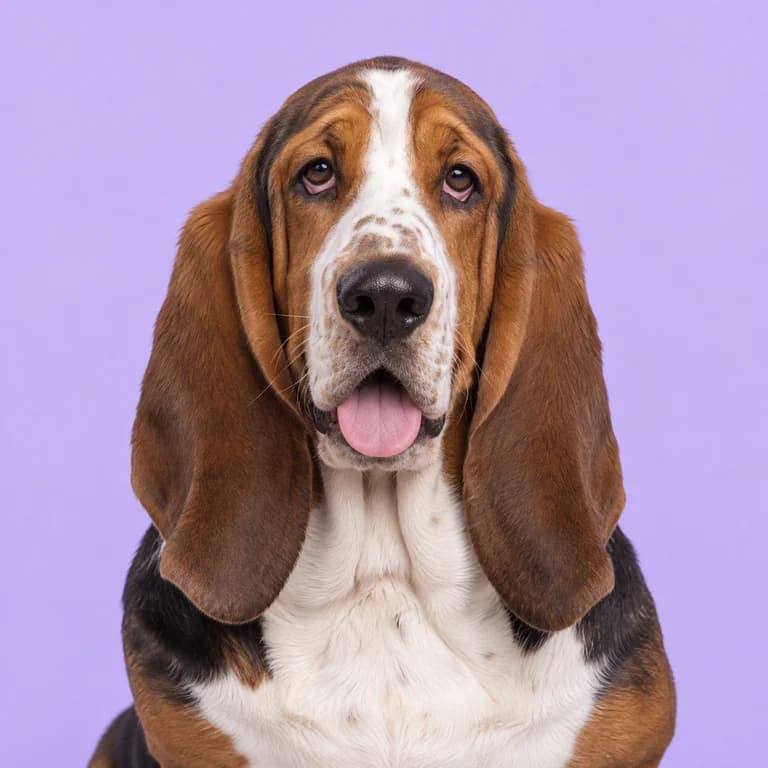
Hound group
Basset Hound
20 to 29 kg · 10 to 12 years
A scent hound nearly as heavy as a Labrador, built on legs barely 35 cm tall.