Crossbreed · United States
Maltipoo
Also called Maltepoo, Moodle, Maltese Poodle cross
A cuddly Maltese and Poodle cross with a big personality, bred as a close companion rather than a worker.
The Maltipoo is a designer cross between a Maltese and a Toy or Miniature Poodle. It is affectionate, clever and social, and usually low shedding, though no coat is guaranteed. Size, coat and temperament can vary widely between individuals and generations, so choosing a responsible breeder matters.

Original AI-generated breed illustration
Weight
3 to 7 kg
7 to 15 lb
Height
20 to 36 cm
at the shoulder
Life expectancy
12 to 15 yrs
Activity estimate
60 to 90 min
editorial daily planning range
Adult-size estimate
12 months
approximate model input
Life with a Maltipoo
There is no single Maltipoo. The cross combines the Maltese, an ancient Mediterranean companion dog, with the Toy or Miniature Poodle, a clever and athletic breed. Because it is a cross rather than a fixed breed, individual dogs can vary widely in size, coat and temperament. Breeders in the United States began producing Maltipoos in the 1990s, aiming for a small, affectionate, low-shedding companion.
Generation matters. An F1 Maltipoo is a first cross between a Maltese and a Poodle. An F1b is an F1 crossed back to a Poodle, usually giving curlier coats. An F2 comes from two F1 parents, and can produce a wider mix of coat types and sizes. No generation guarantees a specific coat or temperament, so meeting the parents is the best guide.
Most Maltipoos are social, playful and eager to be with their people. They often follow owners from room to room and enjoy cuddles on the sofa. This attachment can lead to separation anxiety if they are left alone for long periods, so they suit homes where someone is around for most of the day.
Because demand is high, the cross attracts careless breeders. A good one will let you meet the mother, tell you which Poodle size was used, show health results for both parents and ask you as many questions as you ask them. Puppies sold very young, before 8 weeks, or handed over in car parks are warning signs worth taking seriously.
What stands out
Training
Maltipoos are intelligent and eager to please, and they respond well to positive reinforcement. Short sessions with treats and praise work best. They often enjoy learning tricks and can do well in obedience or agility.
Read the full training guideEasy to train
Open with strangers
Good with other dogs
A great match for
- people living in flats
- owners home for most of the day
- families with considerate children
- seniors wanting a small, affectionate dog
Think twice if
- separation anxiety
- regular grooming needs
- tendency to bark
- variable size and coat
Personality and needs at a glance
Living together
Good with children
Good with other dogs
Open with strangers
Apartment friendly
Copes with alone time
Energy and character
Energy level
Playfulness
Easy to train
Barking
5 means very vocal
Care and climate
Grooming needs
Shedding
Drooling
Handles cold
Handles heat
How much a Maltipoo eats
Illustrative calculations for neutered adults at midpoint breed weights, with food at 370 kcal per 100 g and 100 g per cup. These are not measured breed requirements. Use actual weight, the food label and veterinary body-condition advice.
| Dog | Weight | Calories | Dry food |
|---|---|---|---|
| Female, relaxed lifestyle | 5 kg | 300 kcal | 80 g (0.8 cups) |
| Female, typical pet | 5 kg | 350 kcal | 95 g (1 cups) |
| Male, typical pet | 5 kg | 370 kcal | 100 g (1 cups) |
| Male, very active | 5 kg | 470 kcal | 125 g (1.3 cups) |
Care guides for the Maltipoo
Things owners are often surprised by
- 1Created by crossing a Maltese with a Toy or Miniature Poodle, mainly from the 1990s in the United States
- 2Size can vary from about 2 to 9 kg depending on the Poodle parent and generation
- 3Coats range from silky to curly, and puppies in the same litter can differ
- 4Not recognized as a breed by major kennel clubs
- 5Often bonds closely to its family and dislikes being left alone
Maltipoo questions
Are Maltipoos hypoallergenic?
No dog is completely hypoallergenic. Maltipoos often shed little, which may help some people with mild allergies, but reactions vary. Allergens are also found in saliva and dander. Spend time with the specific dog or parents before committing if allergies are a concern.
How big will my Maltipoo get?
It depends on the Poodle parent and generation. Toy Poodle crosses often weigh 2 to 5 kg, while Miniature Poodle crosses may reach 5 to 9 kg. Ask to meet the parents and see adult dogs from the same breeder for a better guide.
What is the difference between F1 and F1b Maltipoos?
An F1 is a first-generation cross between a Maltese and a Poodle. An F1b is an F1 crossed back to a Poodle, often giving curlier, lower-shedding coats. Neither guarantees a specific coat or size, and individual puppies vary.
Do Maltipoos bark a lot?
Many are alert and vocal, barking at noises or visitors. Training a quiet cue, rewarding calm behavior and providing enough exercise and mental stimulation helps. Some bark more when left alone, which may be a sign of separation anxiety.
Can Maltipoos be left alone?
Most do not like being left alone for long. They are companion dogs that bond closely with their families. Practice short absences from an early age, provide puzzle toys and consider a dog walker or daycare if you work long hours.
Popular answers for owners
- Exercise and playWhy does my dog collapse or stumble after swimming in cold water?
- How much to feedHow do I read the calorie content on a dog food label?
- Bowls and feeding gearShould dogs in the same household share a water bowl?
- How much to feedMy dog is eating less because of stress or a change at home, what should I do?
- How much to feedMy dog's weight loss has stalled, what should I change?
- Puppy feeding and growthHow much should a 7 month old puppy eat?
Breeds you might compare

Crossbreed
Labradoodle
17 to 32 kg · 12 to 15 years
A cross first bred for an Australian guide-dog program, now among the world's most popular family dogs.

Crossbreed
Cavapoo
5 to 11 kg · 12 to 15 years
Cavalier softness meets Poodle brains in a people-focused cross sized for almost any home.

Crossbreed
Cockapoo
5 to 11 kg · 12 to 15 years
Part spaniel, part poodle, the Cockapoo is a sociable, playful companion with a coat that never lets you skip grooming.
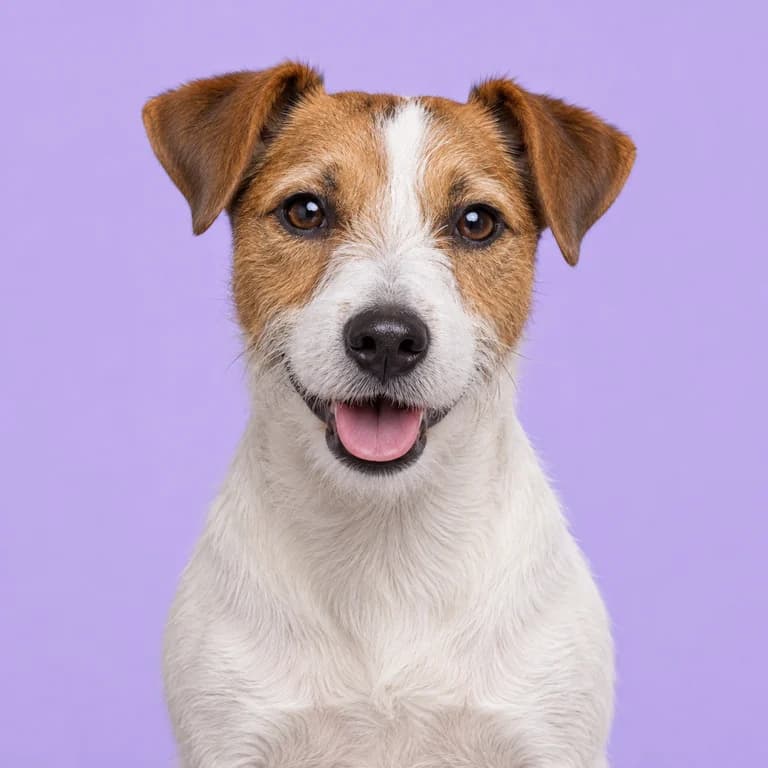
Terrier group
Jack Russell Terrier
5 to 7 kg · 13 to 16 years
A pocket-sized hunter with a huge work ethic that will train you if you do not train it first.
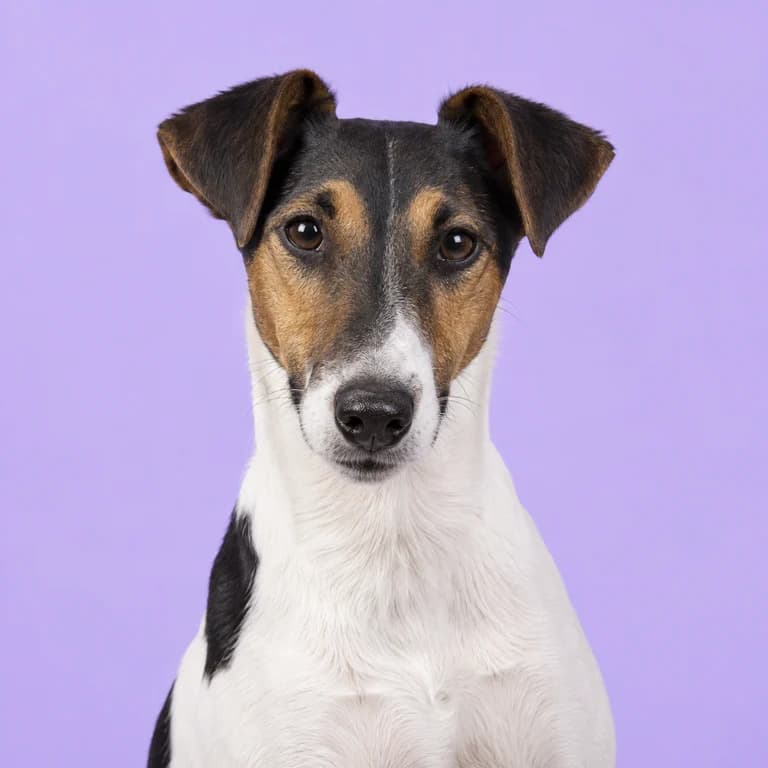
Terrier group
Smooth Fox Terrier
6 to 9 kg · 12 to 15 years
A lively white terrier bred to bolt foxes, still wired for chasing, digging and running rings around you.

Non-sporting group
French Bulldog
8 to 14 kg · 10 to 12 years
A compact clown with bat ears whose flat face shapes nearly every decision about exercise, heat and feeding.