Sources for this article
Herding group · Scotland
Rough Collie
Also called Collie, Long-haired Collie
A Scottish sheepdog turned Victorian favorite and film star, still gentle, watchful and very vocal.
Rough Collies began as working sheepdogs in Scotland, became fashionable when Queen Victoria kept them at Balmoral, and turned world famous through Lassie. The modern dog is a sensitive, family-minded companion with a huge coat and a firm opinion about every unexpected noise.
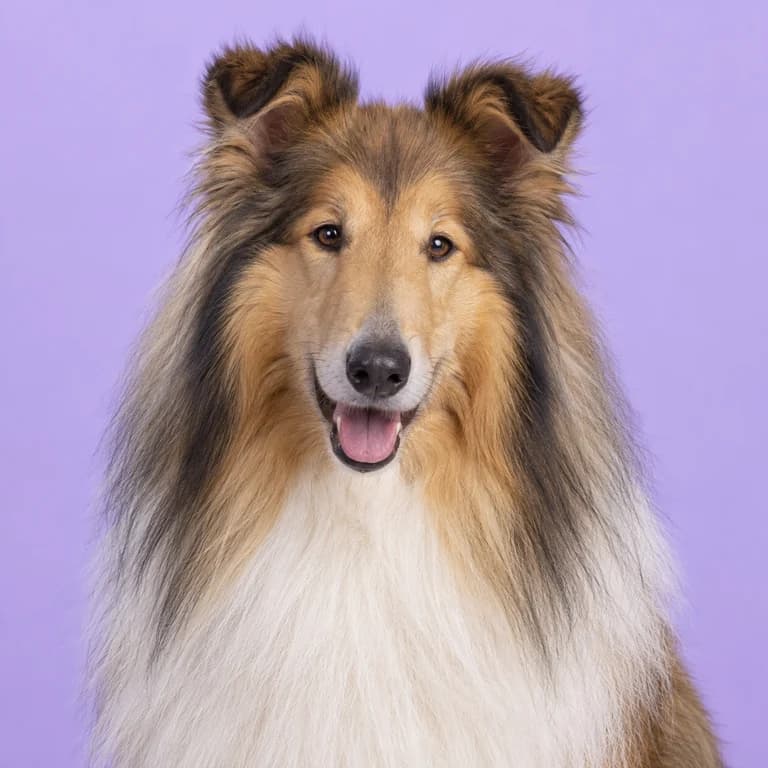
Original AI-generated breed illustration
Weight
21 to 34 kg
46 to 75 lb
Height
51 to 66 cm
at the shoulder
Life expectancy
12 to 14 yrs
Activity estimate
60 to 90 min
editorial daily planning range
Adult-size estimate
18 months
approximate model input
Life with a Rough Collie
The collie's ancestors were plain working dogs moving sheep over Scottish hills long before anyone thought of showing them. The name probably comes from 'colley', an old term for the black-faced sheep of the region, or possibly from an older word for black. Those early dogs were smaller, shorter in the head and valued only for how well they gathered a flock.
Everything changed in the 1860s, when Queen Victoria met collies at Balmoral and began keeping them. Fashionable breeders followed her lead, and selection shifted toward a longer, finer head, a flowing coat and an elegant outline. A dog called Old Cockie, born in 1867, is often credited with fixing the rich sable color. By the 1880s collies were being sold to wealthy American buyers for sums that made the newspapers, and Eric Knight's 1940 novel Lassie Come-Home, followed by the 1943 film, made the breed a household name.
That double history, practical herder refined into a companion, is easy to see in daily life. A Rough Collie is gentle, intuitive and closely tuned to family routines. It notices when a child is upset and when the car keys come out. It also keeps a herder's alertness: it will report the postman, the neighbor's cat and blowing leaves, and may try to round up running children by circling them.
A great match for
- families wanting a gentle, devoted dog
- owners who enjoy regular grooming
- cooler climates
- calm, reward-based trainers
- households where someone is home much of the day
Think twice if
- heavy seasonal shedding
- alarm barking at small noises
- sensitivity to certain medicines in MDR1 carriers
- can become shy without early socialization
- struggles in hot weather
Personality and needs at a glance
Living together
Good with children
Good with other dogs
Open with strangers
Apartment friendly
Copes with alone time
Energy and character
Energy level
Playfulness
Easy to train
Barking
5 means very vocal
Care and climate
Grooming needs
Shedding
Drooling
Handles cold
Handles heat
How much a Rough Collie eats
Illustrative calculations for neutered adults at midpoint breed weights, with food at 370 kcal per 100 g and 100 g per cup. These are not measured breed requirements. Use actual weight, the food label and veterinary body-condition advice.
| Dog | Weight | Calories | Dry food |
|---|---|---|---|
| Female, relaxed lifestyle | 25 kg | 1100 kcal | 295 g (3 cups) |
| Female, typical pet | 25 kg | 1250 kcal | 340 g (3.5 cups) |
| Male, typical pet | 30 kg | 1420 kcal | 385 g (3.8 cups) |
| Male, very active | 30 kg | 1770 kcal | 480 g (4.8 cups) |
Care guides for the Rough Collie
Things owners are often surprised by
- 1Queen Victoria's fondness for collies after her stays at Balmoral in the 1860s helped launch the breed in the show ring.
- 2The first screen Lassie, in the 1943 film, was a male named Pal, and his descendants played the role for decades.
- 3Many collies carry the MDR1 gene variant, which a simple cheek-swab DNA test can identify.
- 4The frill around a mature male's neck can be 15 cm (6 in) deep in full coat.
- 5The Smooth Collie counts as the same breed in the US but as a separate breed in the UK.
Rough Collie questions
Is Lassie a Rough Collie?
Yes. Lassie was played by Rough Collies, starting with a male named Pal in the 1943 film, and his descendants took the role for several generations. Males were used because they hold a fuller coat through summer and look bigger on screen. The classic sable coat with a white blaze and collar is why so many people picture exactly this dog when they hear the word collie.
What is the difference between a Rough Collie and a Shetland Sheepdog?
They look similar but are separate breeds. The Sheltie developed on the Shetland Islands and stands only about 33 to 41 cm (13 to 16 in), around a third of a collie's weight. Shelties tend to be busier and more vocal, while Rough Collies are usually calmer indoors. A Sheltie is not a miniature collie, although collie blood was used in its development.
Why do Rough Collies bark so much?
Herding dogs used their voices to move stock and to warn of intruders, and collies have kept that alertness. A collie barks to tell you something has changed: a car door, a delivery, a bird on the fence. Reward quiet, avoid shouting (which sounds like joining in), and provide enough exercise and brain work. Many collies become much quieter by their third year.
Can Rough Collies live in hot countries?
They can, with care. The double coat gives some insulation, but collies overheat faster than short-coated breeds. In hot regions they need a cool indoor resting place, walks at dawn and dusk, constant water and shade, and regular brushing so dead undercoat does not trap heat. Clipping is not recommended. Owners in Australia and southern Europe keep collies well with these routines.
How do I find out if my collie carries the MDR1 gene?
A cheek-swab DNA test, arranged through your vet or a veterinary genetics laboratory, shows whether your dog is clear, a carrier with one copy, or affected with two copies. Results usually take one to three weeks. Ask your breeder first, since the parents or the whole litter may already have been tested. Keep a copy of the result with your dog's vet records.
Popular answers for owners
- Bowls and feeding gearCan a bowl be too big for a small dog?
- Puppy feeding and growthWhen do large breed puppies reach their adult size?
- Puppy feeding and growthHow big will my puppy get?
- Grooming and coatHow do I trim the hair around my dog's paws?
- Puppy feeding and growthWhen do giant breed puppies stop growing?
- Bowls and feeding gearShould large breed dogs use raised feeders?
Breeds you might compare
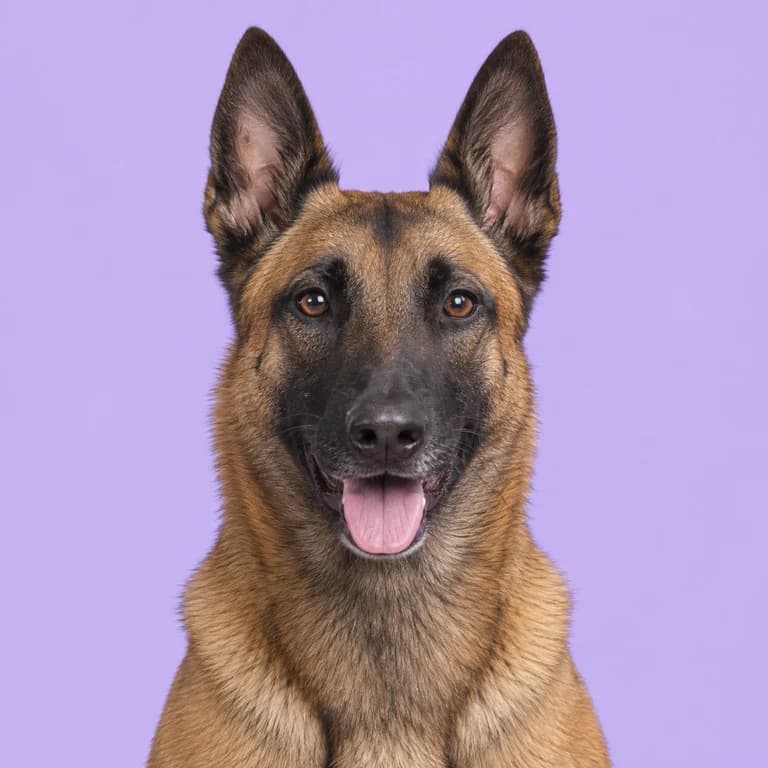
Herding group
Belgian Malinois
20 to 34 kg · 12 to 14 years
A lean Belgian herder turned police partner, built for work at full speed and bored by anything less.
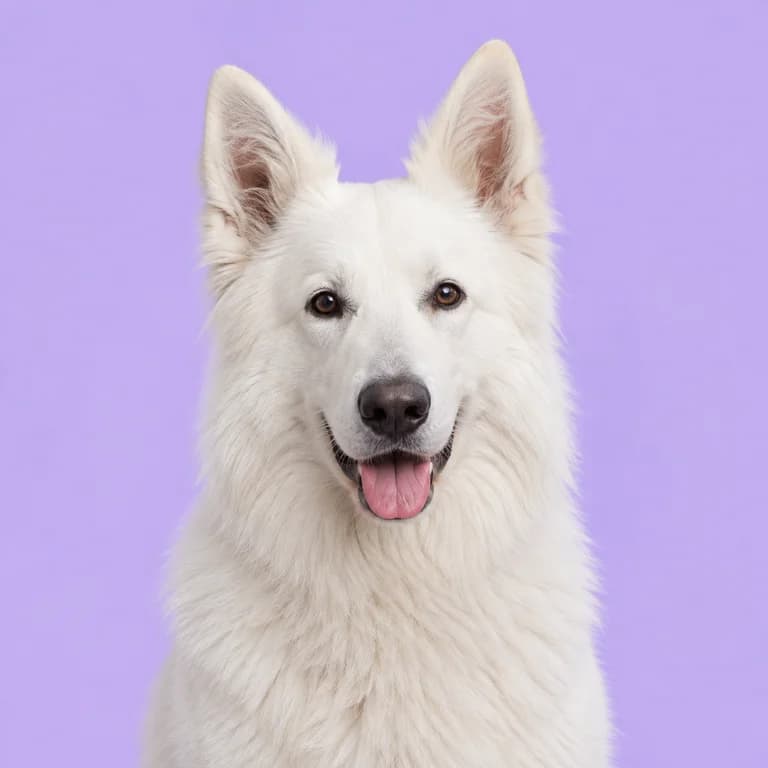
Herding group
White Swiss Shepherd
25 to 40 kg · 12 to 14 years
A snow-white shepherd with the brains of a working dog and a gentler, softer edge.
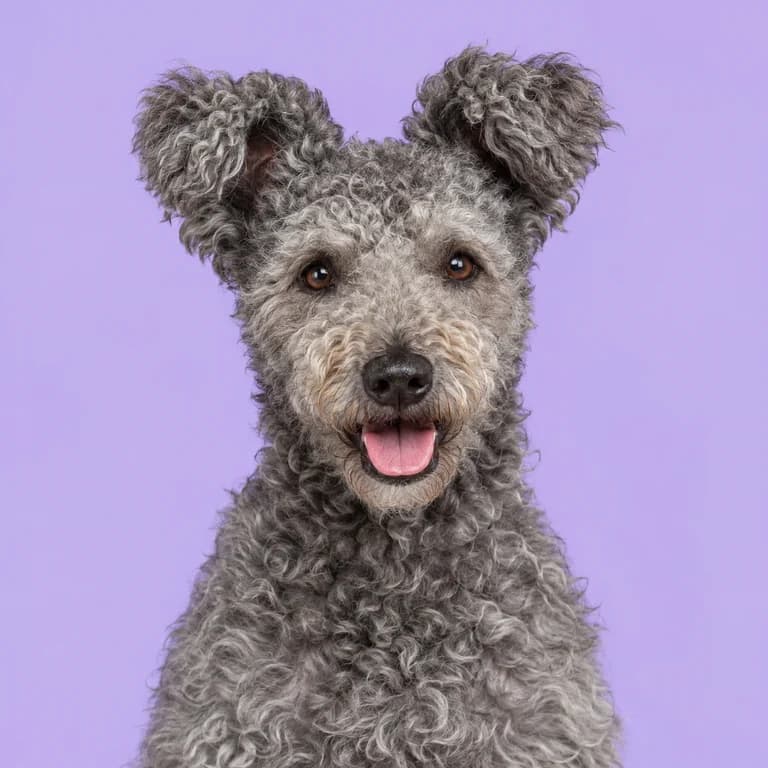
Herding group
Pumi
8 to 15 kg · 12 to 14 years
A curly, whip-smart Hungarian herder that treats every day as a job interview it intends to win.
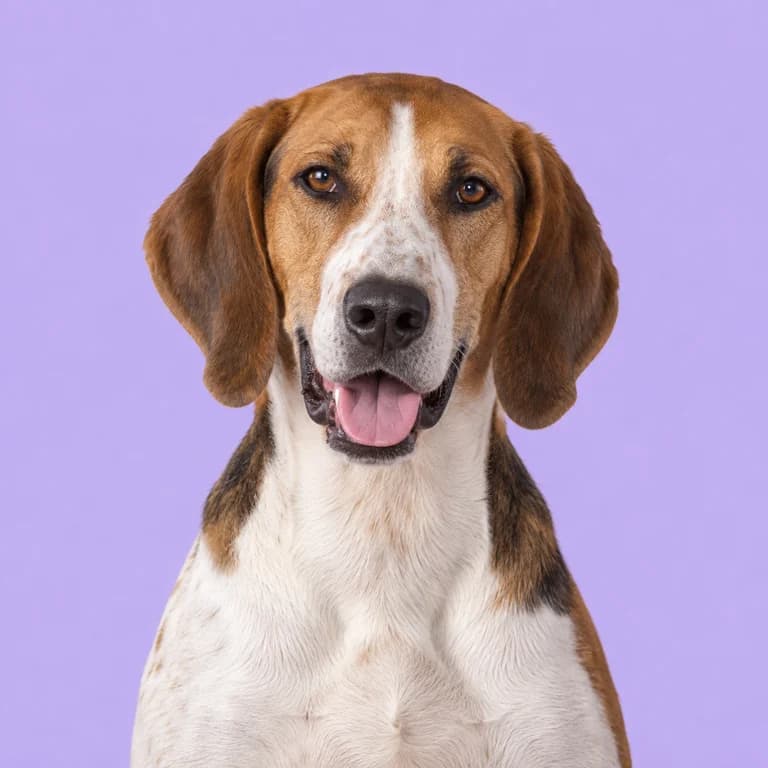
Hound group
English Foxhound
25 to 34 kg · 10 to 13 years
A pack hound built to run all day across open country, rarely kept as a pet and demanding when it is.
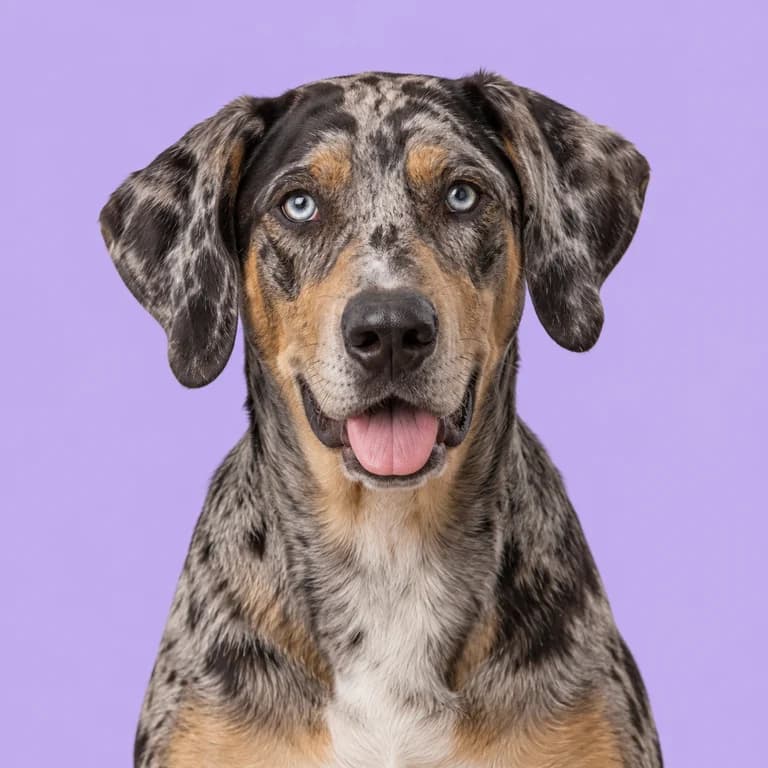
Herding group
Catahoula Leopard Dog
18 to 36 kg · 10 to 14 years
A spotted, glass-eyed working dog from the Louisiana swamps with boundless stamina and an independent streak.
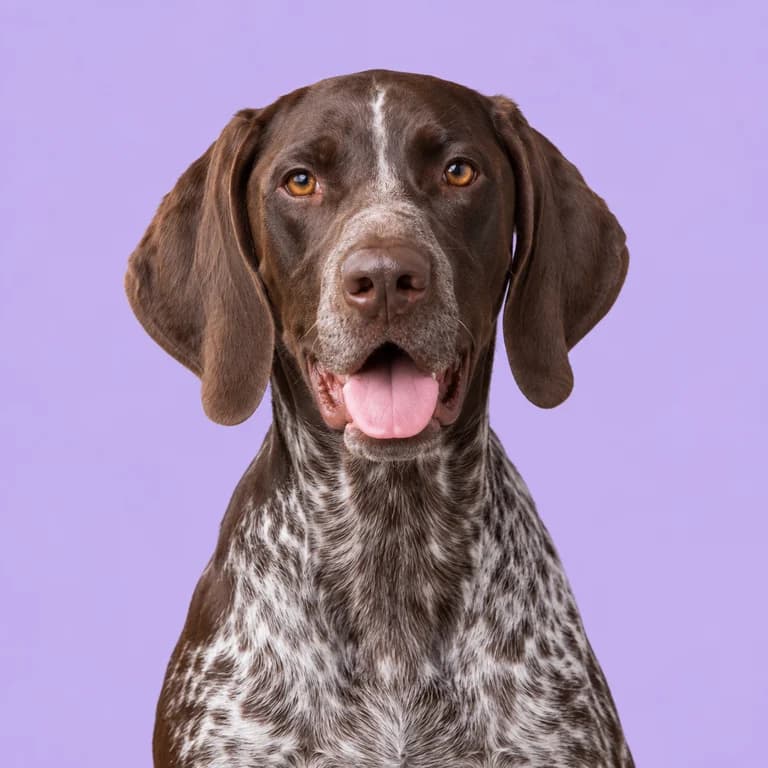
Sporting group
German Shorthaired Pointer
20 to 32 kg · 12 to 14 years
A lean German gundog built to point, retrieve and track all day, then ask what comes next.