Sources for this article
Non-sporting group · United States
Boston Terrier
Also called American Gentleman, Boston
Tuxedo markings, a clown's timing and a genuine fondness for almost every person it meets.
Boston Terriers are compact, cheerful companions with a strong social streak and a sense of humor. They adapt easily to city flats and family homes, but their short muzzle means heat and hard exercise need careful handling. Few breeds are as easy to love on first meeting.

Original AI-generated breed illustration
Weight
5 to 11 kg
11 to 24 lb
Height
38 to 43 cm
at the shoulder
Life expectancy
11 to 13 yrs
Activity estimate
60 to 90 min
editorial daily planning range
Adult-size estimate
12 months
approximate model input
Life with a Boston Terrier
Few dogs greet a stranger with such obvious delight. A Boston Terrier treats visitors as friends it has not met yet, and it usually adores children, older people and other dogs in roughly equal measure. That easy sociability is the heart of the breed, and it is why so many Bostons end up as therapy dogs and office regulars.
The history is less gentle. Judge, the founding dog, was a cross between an English Bulldog and a white English Terrier, types then used for fighting. Breeders in Boston selected hard for smaller size and a softer nature, and within a few decades the result was a companion so mild it earned the nickname 'American Gentleman'.
At home a Boston is a comedian. Expect sudden sprints around the garden, a head tilt at every odd noise, and the habit of settling on whoever has the warmest lap. They are sensitive to tone and tend to sulk briefly if scolded, then bounce back with a toy in their mouth ten minutes later.
What stands out
Training
Bostons are keen to please and quick to learn basic manners, making them one of the more straightforward small breeds for first-time owners. Food works brilliantly as a reward, though treats should come out of the daily ration. Short, upbeat sessions with lots of praise suit their soft temperament.
Read the full training guideEasy to train
Open with strangers
Good with other dogs
A great match for
- first-time owners
- city apartments
- families with children
- people who work from home
- owners in cooler climates
Think twice if
- struggles in hot or humid weather
- snores, snorts and passes gas
- eye injuries from brambles and play
- dislikes being left alone for long hours
Personality and needs at a glance
Living together
Good with children
Good with other dogs
Open with strangers
Apartment friendly
Copes with alone time
Energy and character
Energy level
Playfulness
Easy to train
Barking
5 means very vocal
Care and climate
Grooming needs
Shedding
Drooling
Handles cold
Handles heat
How much a Boston Terrier eats
Illustrative calculations for neutered adults at midpoint breed weights, with food at 370 kcal per 100 g and 100 g per cup. These are not measured breed requirements. Use actual weight, the food label and veterinary body-condition advice.
| Dog | Weight | Calories | Dry food |
|---|---|---|---|
| Female, relaxed lifestyle | 8 kg | 470 kcal | 125 g (1.3 cups) |
| Female, typical pet | 8 kg | 530 kcal | 145 g (1.5 cups) |
| Male, typical pet | 8 kg | 530 kcal | 145 g (1.5 cups) |
| Male, very active | 8 kg | 670 kcal | 180 g (1.8 cups) |
Care guides for the Boston Terrier
Things owners are often surprised by
- 1Show weights fall into three classes: under 6.8 kg (15 lb), 6.8 to 9 kg (15 to 20 lb) and 9 to 11.3 kg (20 to 25 lb).
- 2The breed traces back to a single dog named Judge, imported to Boston around 1870.
- 3It was one of the first American-made breeds recognized by the American Kennel Club, in 1893.
- 4The white blaze, muzzle and chest form the classic 'tuxedo' pattern that the standard asks for.
- 5Large, prominent eyes make the breed more prone to eye scratches than most small dogs.
Boston Terrier questions
Why does my Boston Terrier snore so loudly?
Snoring is common because the breed's short muzzle packs the soft tissue of the nose and throat into less space. Some noise during sleep is typical, but loud breathing while awake, gasping, or waking up choking is not. If snoring is getting worse or your dog struggles during mild exercise, ask your vet to assess the airway.
Are Boston Terriers good with cats?
Most live happily with cats, especially when raised together from puppyhood. Their terrier side can surface as chasing a cat that runs, so early supervised introductions matter. Give the cat high escape routes, reward your Boston for calm behavior near it, and do not leave them alone together until you are confident the peace holds.
Do Boston Terriers like to swim?
Most are poor swimmers. Their heavy front end and short muzzle make it hard to keep the head up, and they tire quickly. If you spend time near water, fit a well-sized dog life jacket and stay within arm's reach. Never assume a Boston will paddle to safety after falling into a pool.
Is a Boston Terrier the same as a French Bulldog?
No. The two look similar at a glance, but the Boston is taller, lighter and leggier, with pointed or rounded upright ears and a distinctive tuxedo coat pattern. Frenchies are heavier, lower and have bat ears. Bostons also tend to be a little more energetic and slightly more tolerant of exercise.
How much do Boston Terriers shed?
They shed lightly but all year round. Short hairs tend to weave into fabric, so they show on dark sofas and clothing. A weekly session with a rubber grooming mitt removes much of the loose hair before it lands in your home. A healthy diet and regular baths help keep shedding at its natural minimum.
Popular answers for owners
- Grooming and coatHow do I stop my house smelling of wet dog?
- Puppy feeding and growthHow much should a medium breed puppy eat at 5 months?
- Puppy feeding and growthIs it normal for a puppy to skip a meal?
- Bowls and feeding gearAre painted or glazed ceramic bowls safe?
- Puppy feeding and growthWhy does my puppy's appetite change so much week to week?
- How much to feedHow often should I recalculate my dog's daily portion?
Breeds you might compare

Non-sporting group
German Spitz
5 to 11 kg · 13 to 15 years
One of central Europe's oldest farm watchdogs, the German Spitz still guards the doorstep with its voice.

Non-sporting group
Coton de Tulear
4 to 6 kg · 14 to 16 years
A cotton-coated clown from Madagascar whose soft white hair needs daily attention and rewards it generously.

Non-sporting group
Bichon Frise
5 to 8 kg · 14 to 16 years
The white powder puff hides a sturdy, sociable dog, and keeping that coat right is a weekly commitment.
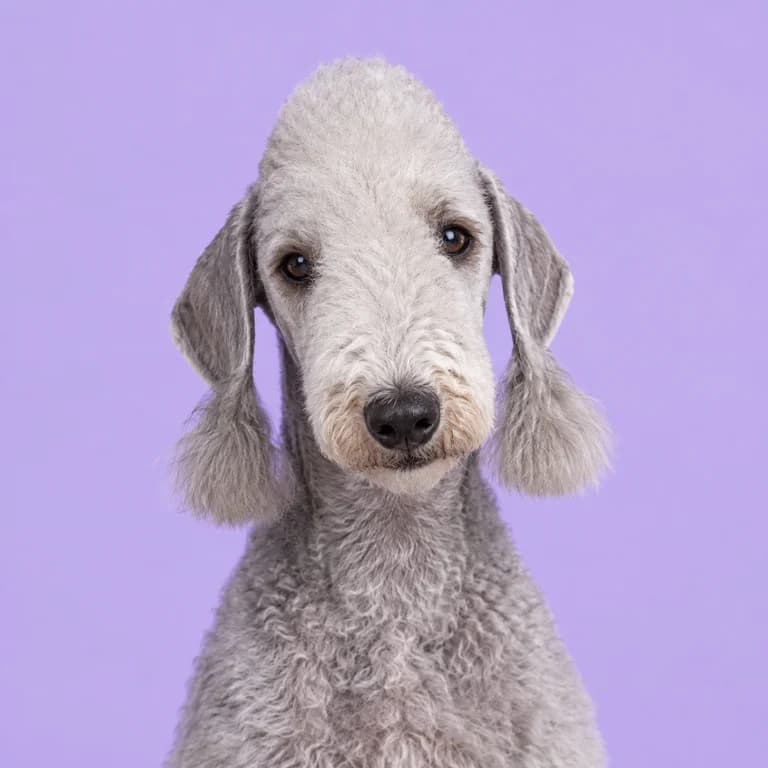
Terrier group
Bedlington Terrier
8 to 10 kg · 12 to 16 years
A terrier that looks like a lamb, runs like a whippet and needs a scissor-shaped trim every few weeks.
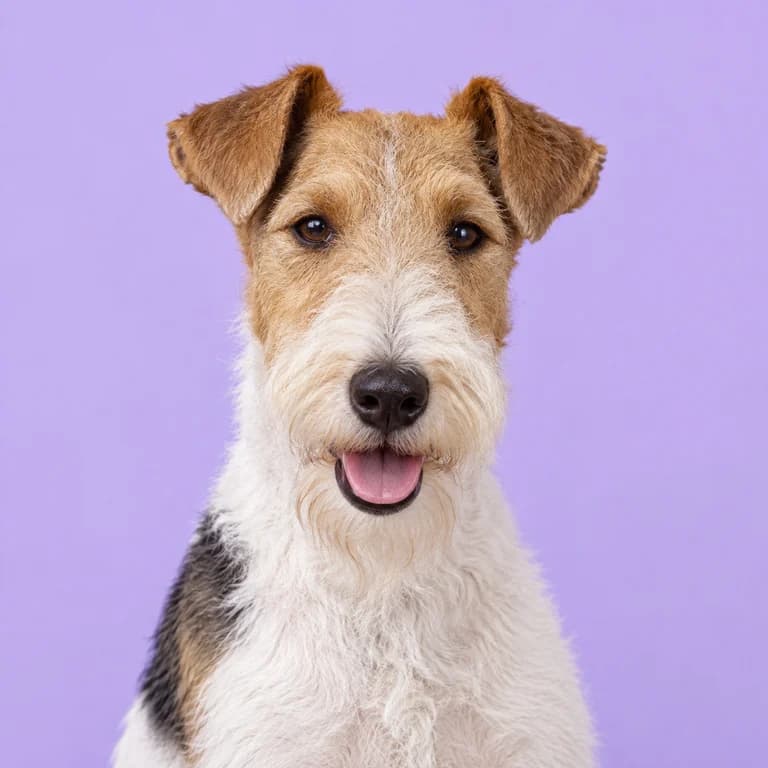
Terrier group
Wire Fox Terrier
6 to 9 kg · 12 to 15 years
A spring-loaded English terrier that treats every day as a hunting trip and every squirrel as unfinished business.
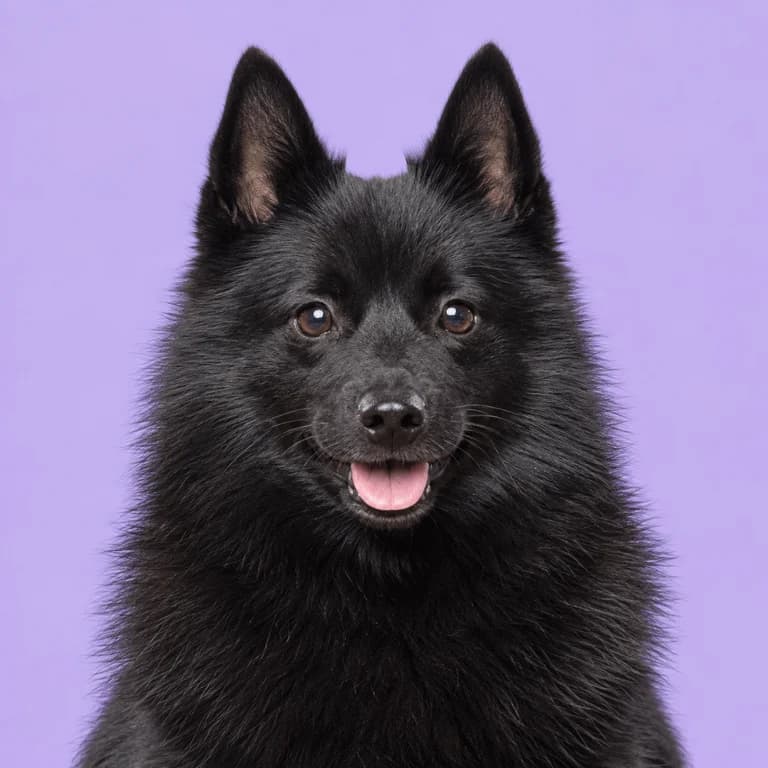
Non-sporting group
Schipperke
4 to 8 kg · 13 to 15 years
A small black Belgian watchdog with a fox face, a lion's ruff and the curiosity of a dog three times its size.