Sources for this article
Herding group · Scotland
Bearded Collie
Also called Beardie, Highland Collie, Mountain Collie
A shaggy Scottish drover with a bounce in every step and a sense of humor to match.
Scottish shepherds relied on the Bearded Collie to gather sheep and drive cattle across wet, rough hills, and the modern Beardie still carries that stamina and good cheer. It is exuberant, clownish and endlessly sociable. The long double coat needs real weekly work, so this breed suits active households that enjoy both muddy walks and brushing.
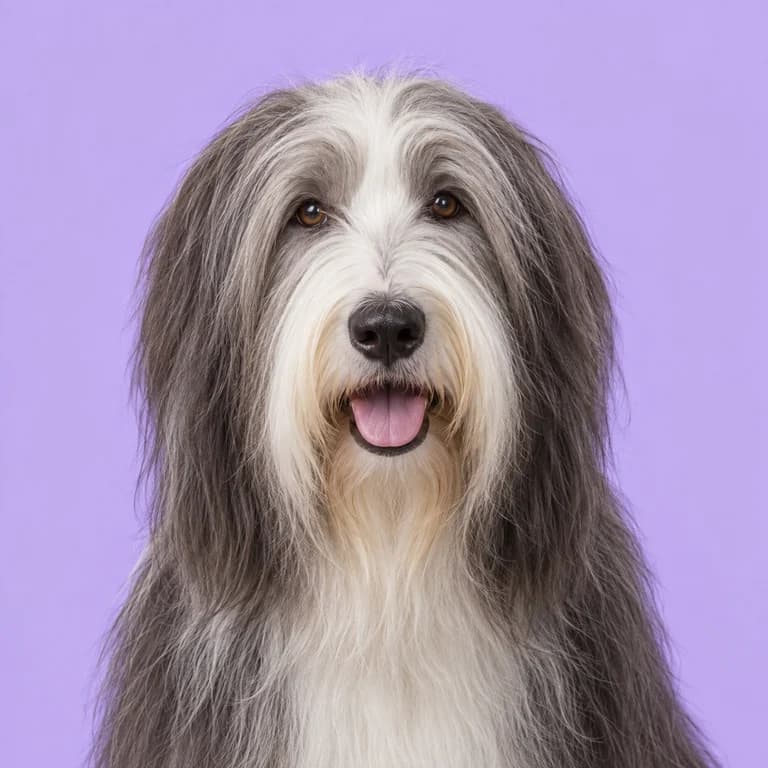
Original AI-generated breed illustration
Weight
18 to 25 kg
40 to 55 lb
Height
51 to 56 cm
at the shoulder
Life expectancy
12 to 14 yrs
Activity estimate
120 to 150 min
editorial daily planning range
Adult-size estimate
18 months
approximate model input
Life with a Bearded Collie
Few British herding dogs have a longer back story. A popular account traces the Beardie to 1514, when a Polish merchant is said to have traded a few sheepdogs to a Scottish shepherd, founding a line that mixed with local collies. Whether or not that trade happened, shaggy drovers' dogs appear in paintings from the 1700s and were working the hills of Peeblesshire and the Borders long before anyone kept pedigrees.
The work demanded a lot. Beardies gathered sheep over wide, broken ground and drove cattle to market, often far from the shepherd's sight. That required stamina, confidence and the ability to make decisions alone, which explains both the breed's energy and its habit of thinking for itself. As a show dog it nearly vanished before a revival in the 1940s, and it was back in the Kennel Club ring by the end of the 1950s.
At home, a Beardie is a bouncy extrovert. It greets everybody, loves children and gets along with most dogs. It is also loud when excited, wants to be where the action is and will rearrange the household if bored. Expect a dog that wants in on everything, including the muddy parts.
What stands out
Exercise
An adult Beardie needs at least 90 minutes to two hours of activity a day. Long country walks, free running with other dogs, herding lessons, agility and flyball all suit the breed. Beardies have excellent stamina in cold, wet weather and seem to enjoy conditions that keep other dogs indoors.
Read the full exercise guideActivity planning estimate
120 to 150 min
editorial estimate, not a prescription
Energy
5 / 5
Playfulness 5 / 5
A great match for
- active families who spend time outdoors
- homes with a garden
- owners willing to groom thoroughly every week
- households with other dogs
- people wanting a cheerful, sociable dog
Think twice if
- weekly grooming sessions of an hour or more
- severe matting during the adult coat change
- can be noisy and very bouncy
- may try to herd children, bikes or cats
- independent streak makes recall a long project
Personality and needs at a glance
Living together
Good with children
Good with other dogs
Open with strangers
Apartment friendly
Copes with alone time
Energy and character
Energy level
Playfulness
Easy to train
Barking
5 means very vocal
Care and climate
Grooming needs
Shedding
Drooling
Handles cold
Handles heat
How much a Bearded Collie eats
Illustrative calculations for neutered adults at midpoint breed weights, with food at 370 kcal per 100 g and 100 g per cup. These are not measured breed requirements. Use actual weight, the food label and veterinary body-condition advice.
| Dog | Weight | Calories | Dry food |
|---|---|---|---|
| Female, relaxed lifestyle | 21 kg | 940 kcal | 255 g (2.5 cups) |
| Female, typical pet | 21 kg | 1080 kcal | 290 g (3 cups) |
| Male, typical pet | 23 kg | 1160 kcal | 315 g (3.3 cups) |
| Male, very active | 23 kg | 1450 kcal | 390 g (4 cups) |
Care guides for the Bearded Collie
Things owners are often surprised by
- 1Most puppies are born darker than their adult color; the coat lightens during the first year and may darken again later
- 2The show breed was revived after the Second World War largely by one breeder, G. Olive Willison, starting from a pair named Jeannie and Bailie
- 3The coat parts naturally along the spine without any combing
- 4Known for the Beardie bounce, springing straight up to see over long grass or sheep
- 5Traditionally moved stock with its voice as well as its body, which explains a talkative streak
- 6Males usually stand 53 to 56 cm (21 to 22 in) at the shoulder
Bearded Collie questions
Do Bearded Collies change color as they grow?
Yes, often dramatically. Most are born black, brown, blue or fawn, then fade to a much lighter shade during the first year, sometimes to silver or cream. Many darken again between two and three years old. This fading and returning color is typical of the breed and completely normal, which is why puppy photos can look like a different dog from the adult.
What is the difference between a Bearded Collie and an Old English Sheepdog?
The Old English Sheepdog is bigger and heavier, often 30 kg or more, with a stockier body and a distinctive rolling gait. The Bearded Collie is leaner and longer in the body, always carries a long tail and has a flatter coat parted down the back. Beardies are also more agile and generally busier, while Old English Sheepdogs tend to be steadier at home.
Are Bearded Collies good with children?
Usually very good. Beardies are playful, tolerant and sturdy, which suits family life. The issues are enthusiasm and herding: a young Beardie may bump small children over or nip at heels when games get wild. Supervise play with toddlers, teach children not to run shrieking around the dog, and give the dog a quiet retreat of its own.
Can I shave my Bearded Collie in summer?
Many pet Beardies live happily in a shorter trim, but shaving right down to the skin is not recommended. The double coat insulates against heat as well as cold and shields the skin from sunburn. A trim to around 2 to 5 cm (1 to 2 in) makes care easier while keeping some protection. Regularly removing dead undercoat does more for summer comfort than a shave.
Are Bearded Collies noisy?
More than many breeds. Beardies were used to move stock partly with their voice, and they still bark when excited, when greeting you or when they want something done. Early training that rewards quiet, plus plenty of physical and mental exercise, keeps it manageable. They are not ideal for thin-walled flats with noise-sensitive neighbors.
Popular answers for owners
- Bowls and feeding gearHow often should water bowls be refilled and washed?
- Bowls and feeding gearShould dogs in the same household share a water bowl?
- Puppy feeding and growthHow do I know when my puppy has reached its adult size?
- Puppy feeding and growthHow much should a 6 week old puppy eat?
- Exercise and playHow do I pick toys for a dog with no interest in toys?
- Exercise and playAre tennis balls bad for a dog's teeth?
Breeds you might compare
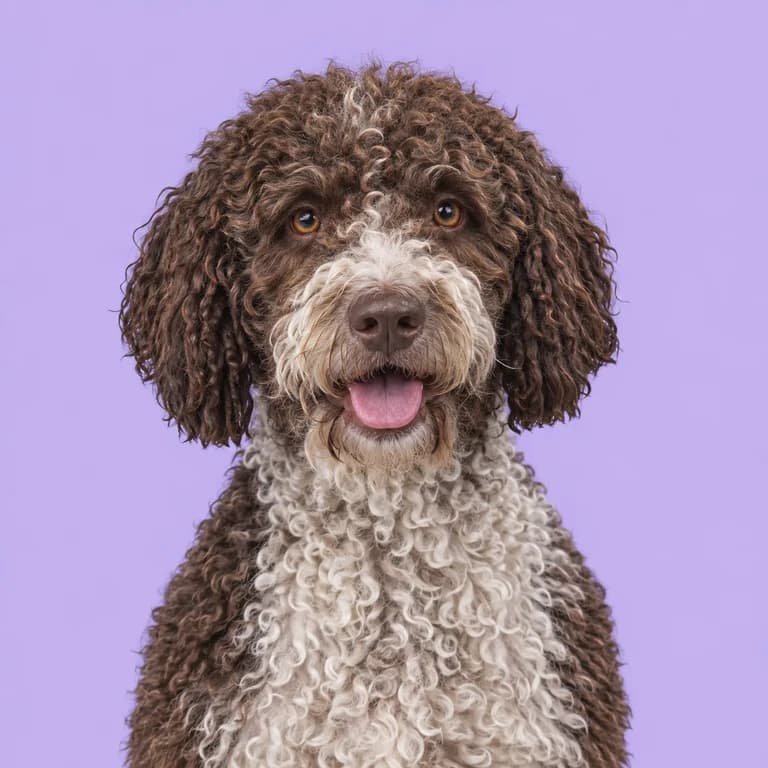
Herding group
Spanish Water Dog
14 to 22 kg · 12 to 14 years
A curly Andalusian all-rounder that herds, swims and retrieves, wearing a coat you must never brush.
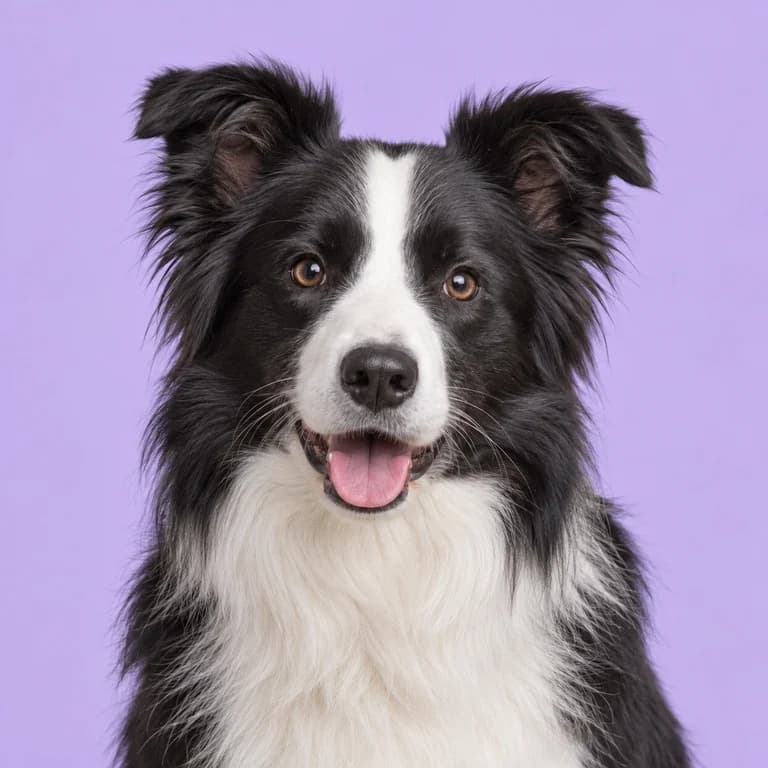
Herding group
Border Collie
12 to 20 kg · 12 to 15 years
Possibly the most gifted working mind in dogs, and it needs a job every single day.
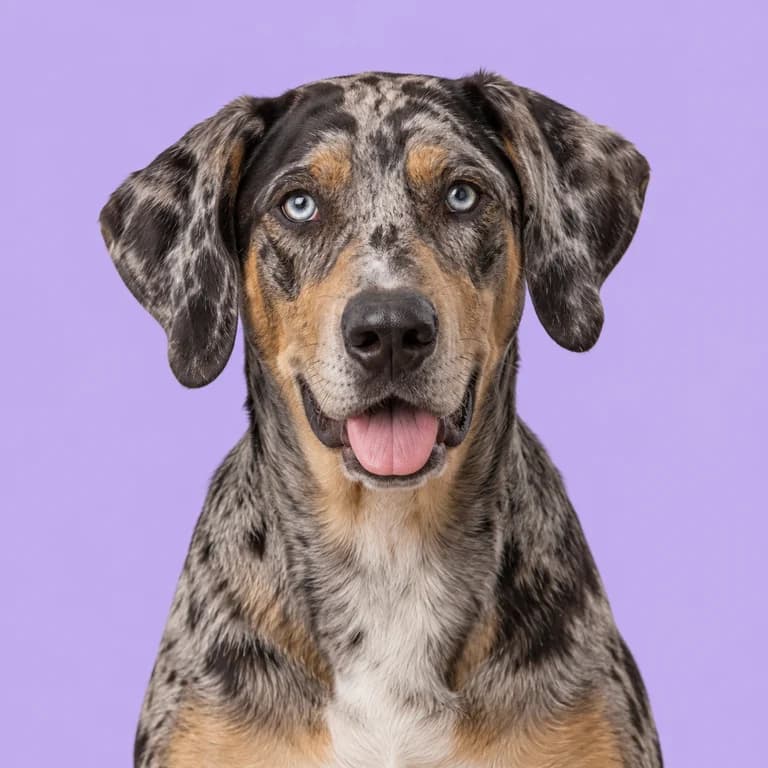
Herding group
Catahoula Leopard Dog
18 to 36 kg · 10 to 14 years
A spotted, glass-eyed working dog from the Louisiana swamps with boundless stamina and an independent streak.
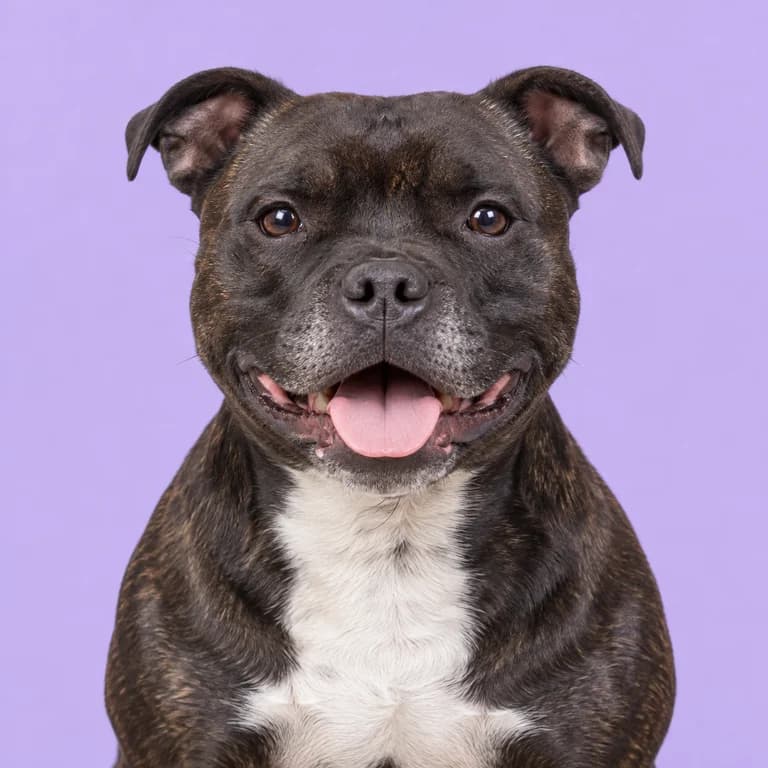
Terrier group
Staffordshire Bull Terrier
11 to 17 kg · 12 to 14 years
A muscular, grinning people-lover packed into 40 cm (16 in), often gentler with humans than with other dogs.
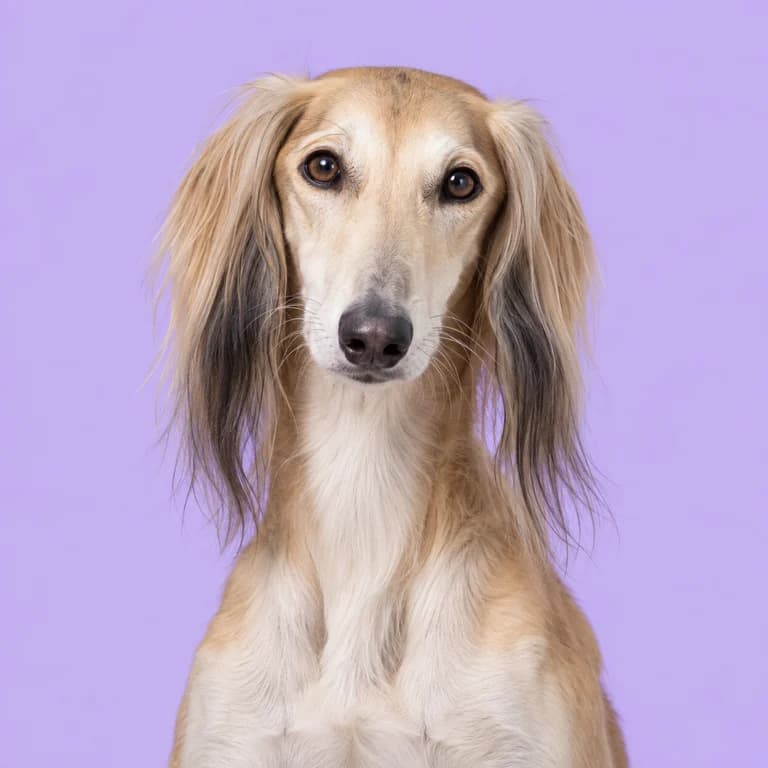
Hound group
Saluki
16 to 29 kg · 12 to 14 years
Bred for thousands of years to course gazelle across open desert, the Saluki brings a sprinter's heart to your sofa.
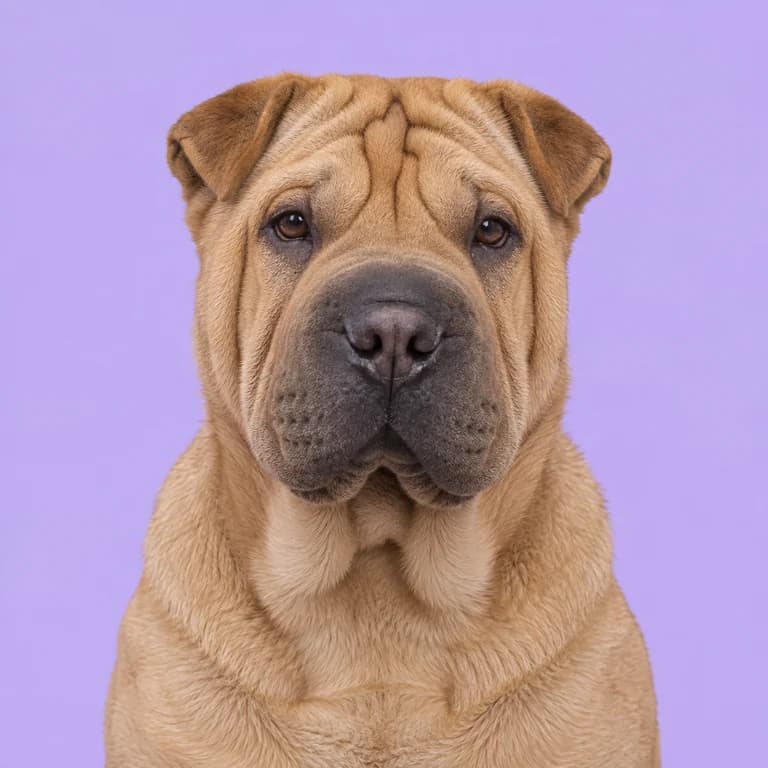
Non-sporting group
Chinese Shar-Pei
18 to 27 kg · 8 to 12 years
A wrinkled, blue-tongued guardian from southern China whose skin and eyes need more attention than almost any breed.