Sources for this article
Herding group · Finland
Finnish Lapphund
Also called Lappie, Suomenlapinkoira, Lapinkoira
A soft-natured reindeer herder from Lapland that pairs arctic toughness with remarkable gentleness at home.
The Finnish Lapphund herded reindeer for the Sami people of northern Scandinavia and still carries their calm, friendly outlook. It is kind with children, keen to learn and happy in snow, but it barks readily and sheds a thick coat in huge amounts.
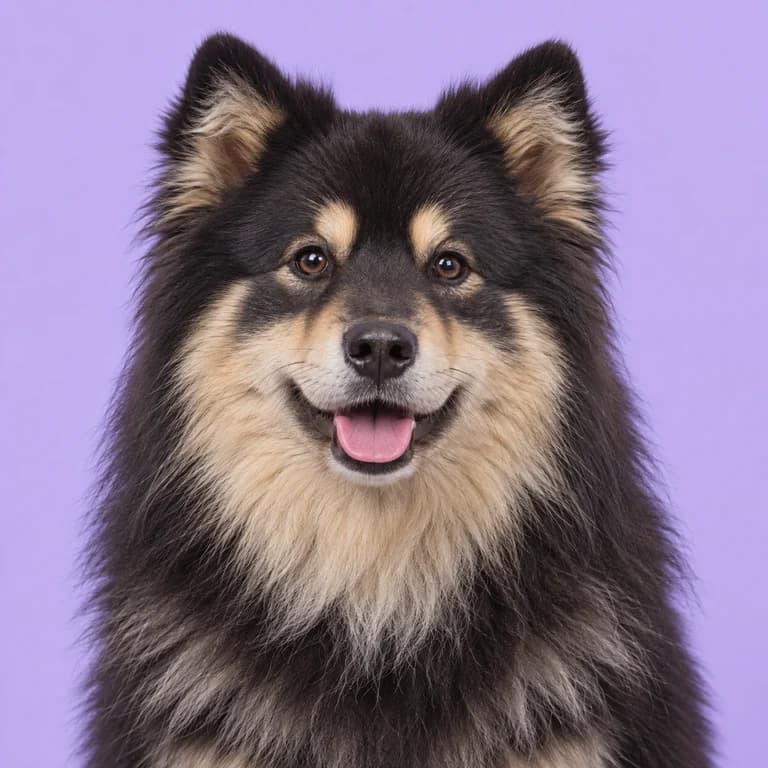
Original AI-generated breed illustration
Weight
15 to 24 kg
33 to 53 lb
Height
41 to 52 cm
at the shoulder
Life expectancy
12 to 15 yrs
Activity estimate
60 to 90 min
editorial daily planning range
Adult-size estimate
18 months
approximate model input
Life with a Finnish Lapphund
Among herding breeds, the Finnish Lapphund is unusually gentle. Its job in Lapland was to gather semi-wild reindeer, and a reindeer that feels threatened will lash out with its hooves or antlers. The dogs that thrived were the ones that kept the herd moving with barking and circling, backed off calmly when a reindeer turned, and never escalated. That soft, patient style still shows in the modern Lappie.
At home, most Lapphunds are warm, friendly and interested in everyone, including visiting children and other dogs. They are observant rather than frantic, happy to lie on the doorstep watching the street, then quick to announce any movement with a clear bark. Many owners notice a brief startle reaction, where the dog springs sideways from something unexpected and then returns to investigate, which is often linked to its reindeer-dodging past.
The Sami used these dogs for generations, but mechanization after the 1950s nearly finished the breed's working role. Finnish enthusiasts preserved it, the Finnish Kennel Club separated it from the related Lapponian Herder in 1967, and today the Lapphund is one of Finland's favorite family dogs, with a growing following across Europe, North America and Australia.
What stands out
Training
Lappies learn quickly and genuinely enjoy working with their owners, which makes them rewarding for novices and competitive trainers alike. They are sensitive, so food, play and cheerful praise work far better than corrections, and a Lappie scolded harshly may simply avoid you for a while. Most are not particularly stubborn, but they do think things over before complying.
Read the full training guideEasy to train
Open with strangers
Good with other dogs
A great match for
- families with children
- cool or cold climates
- owners interested in obedience, agility or herding
- people who want a friendly, sociable dog that is not hyperactive
Think twice if
- frequent alert barking
- a heavy seasonal coat blow
- struggles in hot weather
- dislikes long hours alone
- sensitive to harsh handling
Personality and needs at a glance
Living together
Good with children
Good with other dogs
Open with strangers
Apartment friendly
Copes with alone time
Energy and character
Energy level
Playfulness
Easy to train
Barking
5 means very vocal
Care and climate
Grooming needs
Shedding
Drooling
Handles cold
Handles heat
How much a Finnish Lapphund eats
Illustrative calculations for neutered adults at midpoint breed weights, with food at 370 kcal per 100 g and 100 g per cup. These are not measured breed requirements. Use actual weight, the food label and veterinary body-condition advice.
| Dog | Weight | Calories | Dry food |
|---|---|---|---|
| Female, relaxed lifestyle | 18 kg | 860 kcal | 230 g (2.3 cups) |
| Female, typical pet | 18 kg | 980 kcal | 265 g (2.8 cups) |
| Male, typical pet | 21 kg | 1080 kcal | 290 g (3 cups) |
| Male, very active | 21 kg | 1350 kcal | 365 g (3.8 cups) |
Care guides for the Finnish Lapphund
Things owners are often surprised by
- 1Worked for centuries with Sami reindeer herders above the Arctic Circle
- 2Nearly disappeared when snowmobiles replaced many herding dogs after the 1950s
- 3Often has pale 'spectacle' markings around the eyes
- 4The coat sheds snow and water, so a wet Lappie dries fast
- 5Consistently one of the most popular breeds in Finland
Finnish Lapphund questions
Do Finnish Lapphunds bark a lot?
They do bark more than many breeds, because barking was their main tool for moving reindeer. Expect alerts when someone approaches the house, when other dogs pass and during exciting play. Most can learn to stop after a few barks with consistent reward-based training. Close neighbors and thin apartment walls are worth considering before choosing this breed.
Can a Finnish Lapphund live in a warm climate?
It can in moderate climates with sensible management, but hot, humid regions are difficult. Lappies need air conditioning or a cool indoor space on hot days, walks only at the coolest times and constant water. Owners in places like southern Europe or Australia often find their dogs sleep through summer and come alive when temperatures drop.
Should I shave my Lapphund in summer?
No. The double coat works as insulation, slowing heat gain from sunlight as well as holding warmth in winter. Shaving removes that protection, raises the risk of sunburn and can leave the coat growing back uneven for months. Instead, rake out loose undercoat regularly so air can circulate through the coat, and provide shade and cool surfaces.
Finnish Lapphund or Swedish Lapphund: what is the difference?
Both come from the same reindeer-herding tradition, but they developed as separate breeds in their own countries. The Finnish Lapphund is more common, comes in many colors and has a longer, fuller coat. The Swedish Lapphund is rarer, typically solid black or brown, and often a little lighter in build. Temperaments are similar: friendly, vocal and keen to learn.
Are Finnish Lapphunds good with children?
They are one of the most child-friendly herding breeds. Their soft, patient nature was shaped by work with easily spooked reindeer, and most tolerate noise and fuss well. As with any dog, supervise young children, teach them not to grab the thick coat, and give the dog a quiet spot to retreat to when it has had enough.
Popular answers for owners
- Bowls and feeding gearCan an automatic feeder replace supervised mealtimes?
- Puppy feeding and growthWhy do puppy foods have more fat than adult dog food?
- How much to feedCan a thick coated or fluffy dog hide being overweight?
- Bowls and feeding gearWhat is the right bowl capacity for a Labrador?
- Puppy feeding and growthHow much should a medium breed puppy eat at 5 months?
- Exercise and playHow much exercise does a small breed dog need?
Breeds you might compare
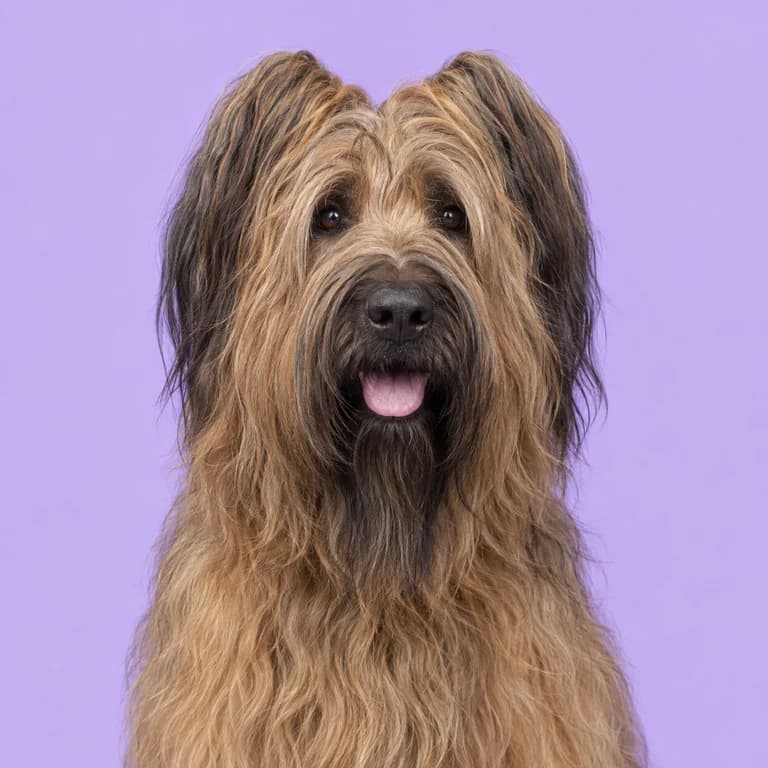
Herding group
Briard
25 to 45 kg · 10 to 12 years
A shaggy French sheepdog that guarded the flock by night and now guards its family instead.
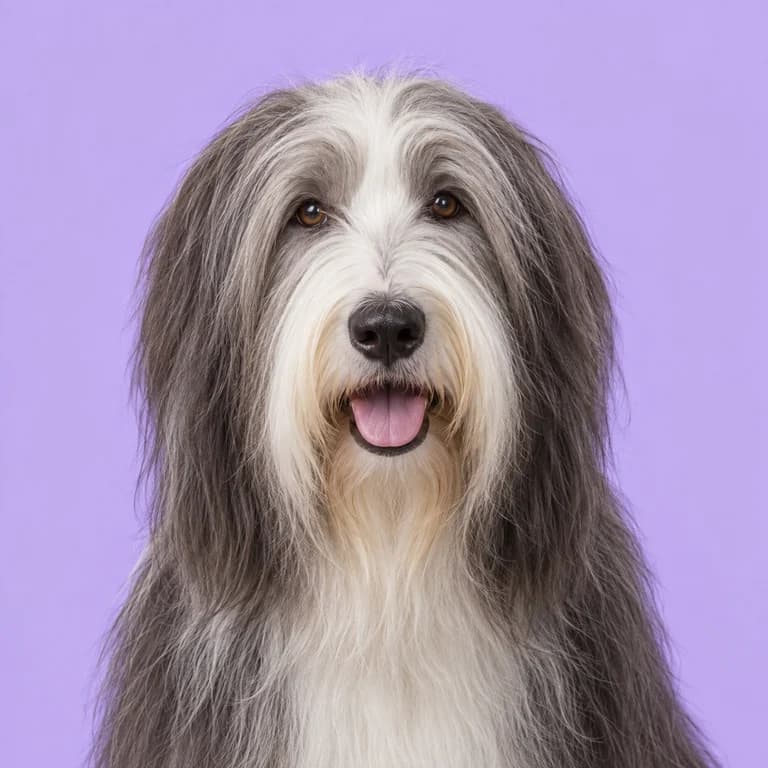
Herding group
Bearded Collie
18 to 25 kg · 12 to 14 years
A shaggy Scottish drover with a bounce in every step and a sense of humor to match.
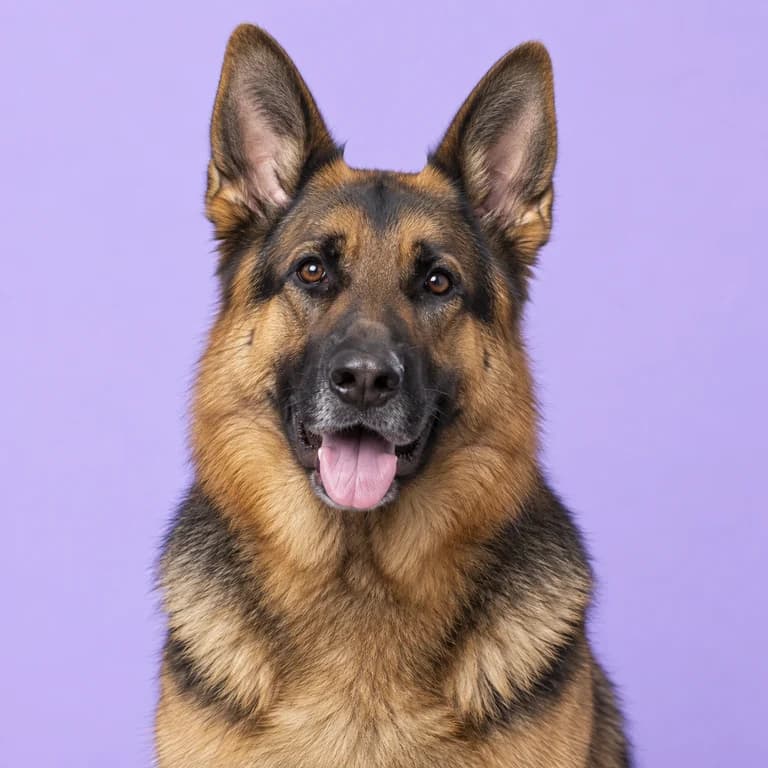
Herding group
German Shepherd
22 to 40 kg · 9 to 13 years
A working mind in a wolfish frame, bred to take instructions and happiest when it has a job to finish.
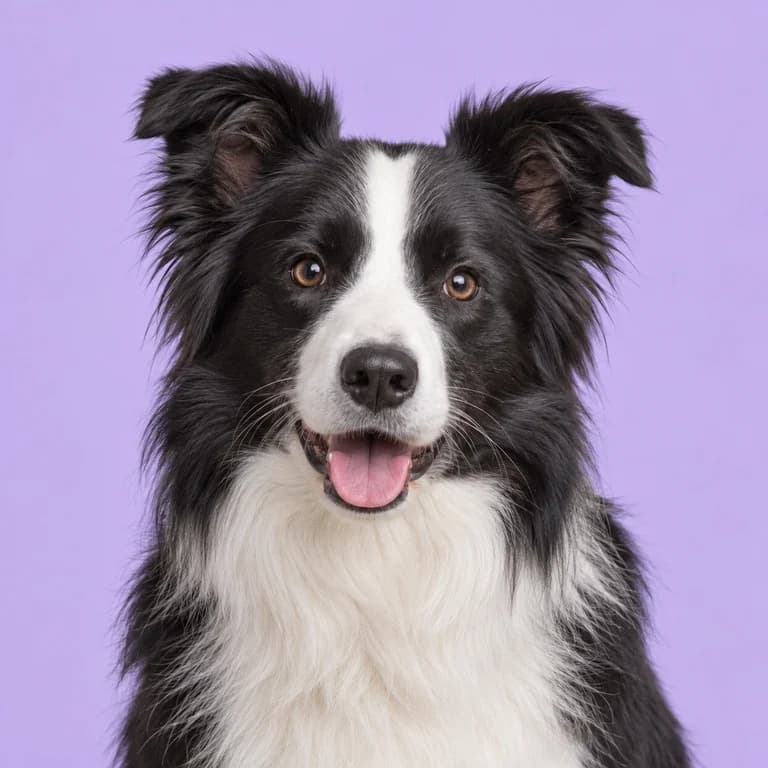
Herding group
Border Collie
12 to 20 kg · 12 to 15 years
Possibly the most gifted working mind in dogs, and it needs a job every single day.
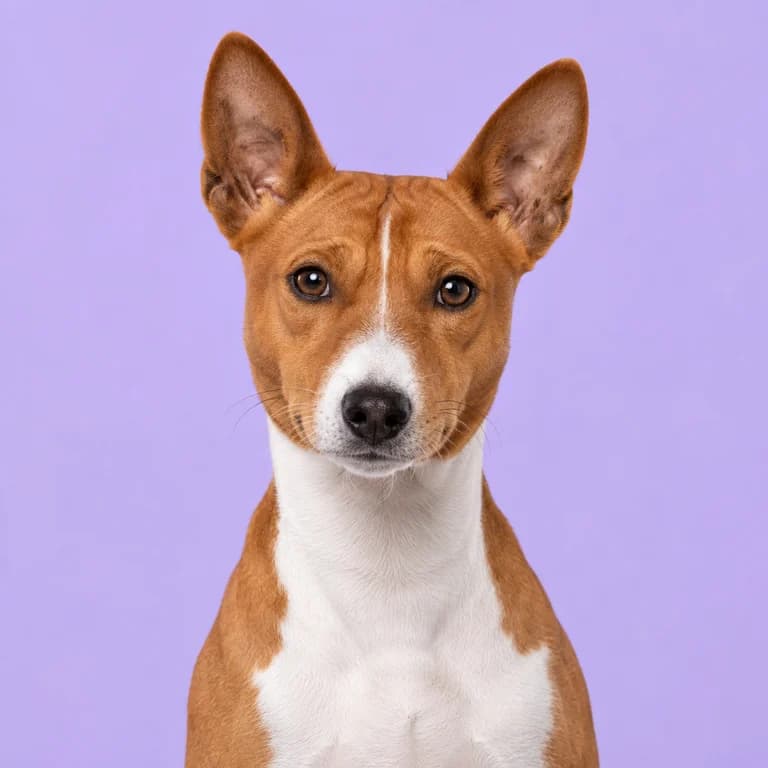
Hound group
Basenji
9 to 12 kg · 12 to 16 years
A Congo hunting dog of ancient lineage that yodels rather than barks and keeps itself clean like a cat.
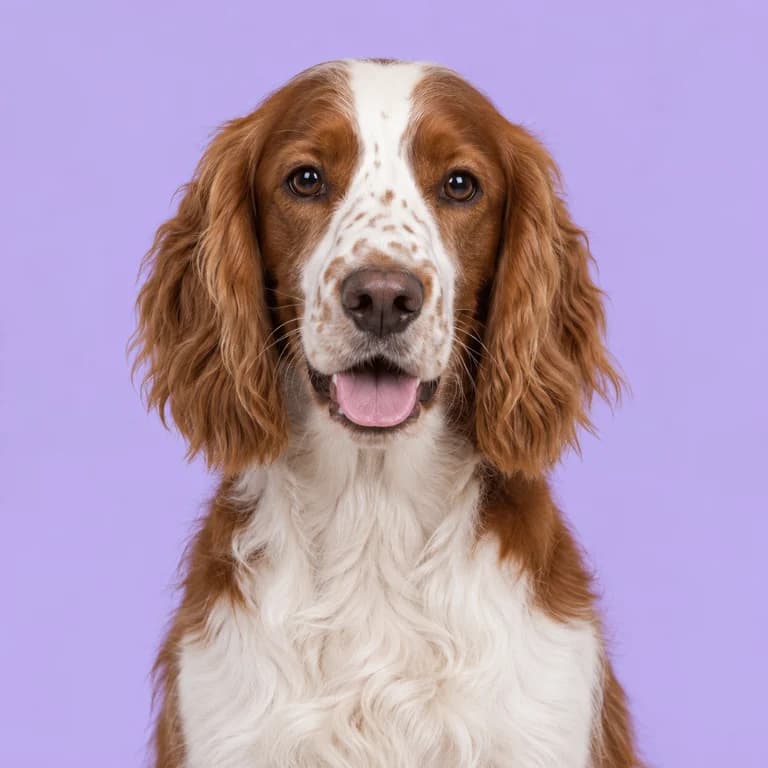
Sporting group
Welsh Springer Spaniel
16 to 25 kg · 12 to 15 years
A red-and-white Welsh gundog that learns best through partnership, patience and plenty of miles.