Sources for this article
Toy group · Germany
Biewer Terrier
Also called Biewer, Biewer Yorkshire Terrier
A pocket-sized German toy with a tricolor silk coat and a big dog's view of itself.
The Biewer Terrier began in 1984 when a German couple, Werner and Gertrud Biewer, found a white, black and tan puppy in a litter of their Yorkshire Terriers. It is a tiny, playful companion that usually weighs less than 3.5 kg (8 lb), which brings both easy portability and real fragility.
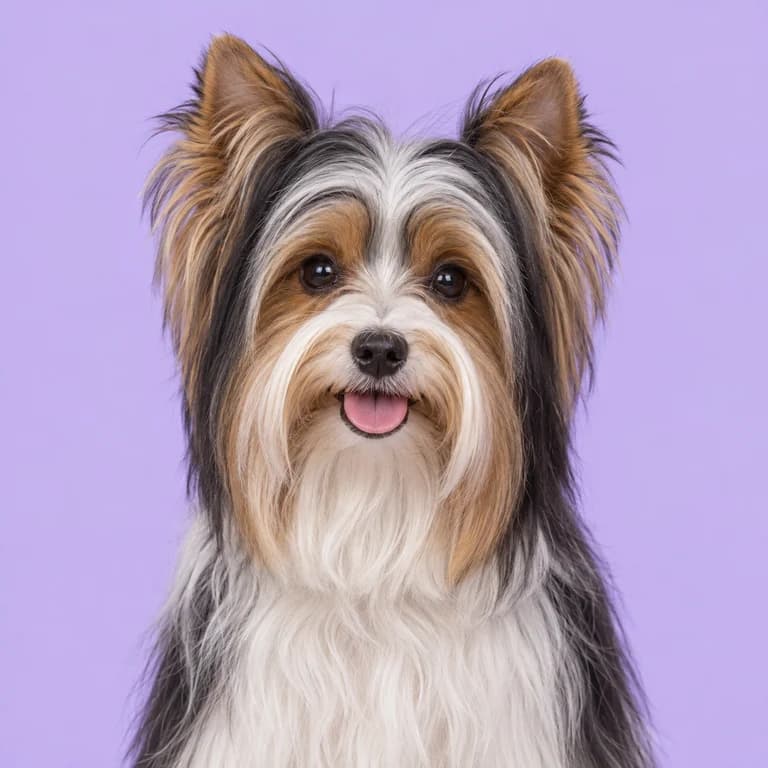
Original AI-generated breed illustration
Weight
2 to 4 kg
4 to 9 lb
Height
18 to 28 cm
at the shoulder
Life expectancy
12 to 16 yrs
Activity estimate
60 to 90 min
editorial daily planning range
Adult-size estimate
10 months
approximate model input
Life with a Biewer Terrier
At around 2 to 3.5 kg, a Biewer Terrier weighs about the same as a large bag of flour, and that size shapes almost every decision you make. You watch where you step, you think twice before letting it jump off a bed, and you choose friends' dogs carefully at the park. It can travel in a bag, share a small flat and curl up on your lap for hours, but it cannot shrug off accidents the way a sturdy medium breed can.
The breed began in 1984 in the Hunsrück region of Germany. Werner and Gertrud Biewer had bred Yorkshire Terriers for years when a puppy with bold white patches appeared in one litter, the result of a recessive piebald gene. They kept breeding for the tricolor pattern, and the dogs spread to the United States in the early 2000s. DNA work later confirmed their Yorkshire origins, and the breed gained full AKC recognition in 2021.
Temperament is cheerful, playful and affectionate. Biewers are often a little softer and less feisty than some terriers, but they still have plenty of confidence and will bark at anything unusual. They love company and generally dislike being left alone for long periods, so they suit owners who are home much of the day.
What stands out
Puppy growth
Biewer puppies are tiny, often weighing 400 to 700 g at 8 weeks, and most reach adult size by about 9 to 10 months. Because they are so small, many breeders keep puppies until 10 to 12 weeks old so they are stronger before moving to a new home. Retained baby teeth are common in toy breeds, so check that adult teeth have replaced puppy teeth by around 6 months.
Read the full puppy growth guideIllustrative model, not observed breed data or a healthy-weight standard. Use actual measurements and veterinary advice to assess growth.
A great match for
- apartment living
- adults and families with older, gentle children
- owners who are home much of the day
- people who like to take their dog everywhere
Think twice if
- easily injured by falls or rough play
- low blood sugar risk in young puppies
- daily coat care if kept long
- barks at noises
- crowded teeth and early dental disease
Personality and needs at a glance
Living together
Good with children
Good with other dogs
Open with strangers
Apartment friendly
Copes with alone time
Energy and character
Energy level
Playfulness
Easy to train
Barking
5 means very vocal
Care and climate
Grooming needs
Shedding
Drooling
Handles cold
Handles heat
How much a Biewer Terrier eats
Illustrative calculations for neutered adults at midpoint breed weights, with food at 370 kcal per 100 g and 100 g per cup. These are not measured breed requirements. Use actual weight, the food label and veterinary body-condition advice.
| Dog | Weight | Calories | Dry food |
|---|---|---|---|
| Female, relaxed lifestyle | 3 kg | 220 kcal | 60 g (0.5 cups) |
| Female, typical pet | 3 kg | 260 kcal | 70 g (0.8 cups) |
| Male, typical pet | 3 kg | 260 kcal | 70 g (0.8 cups) |
| Male, very active | 3 kg | 320 kcal | 85 g (0.8 cups) |
Care guides for the Biewer Terrier
Things owners are often surprised by
- 1The first puppy, a female named Schneeflocken von Friedheck, was born in 1984 in the Hunsrück region of Germany.
- 2Its tricolor pattern comes from a recessive piebald gene in Yorkshire Terrier lines.
- 3Genetic testing in the 2000s confirmed the breed descends from Yorkshire Terriers.
- 4The American Kennel Club added it to the Toy Group in 2021.
- 5Adults typically weigh 2 to 3.5 kg (4 to 8 lb) and stand 18 to 28 cm (7 to 11 in).
Biewer Terrier questions
How do you pronounce Biewer?
Most English speakers say it like the animal, beaver, and that is close enough to the German surname of the founders that nobody in the breed will correct you. In German the w sounds more like an English v, so a native speaker says something nearer to bee-ver. Either way, the name honors Werner and Gertrud Biewer, who produced the first litters.
What is the difference between a Biewer Terrier and a Yorkshire Terrier?
Biewers descend from Yorkshire Terriers but have a distinct tricolor coat with large white areas, caused by a recessive piebald gene. Yorkshire Terriers are usually steel blue and tan without white. Biewers are recognized as a separate breed by the AKC and many clubs, with their own standard and breeding programs.
Are Biewer Terriers good with children?
They can be with older, gentle children who understand how to handle a small dog. Young children may accidentally drop or step on a Biewer, causing serious injury. Supervision is important, and children should be taught to sit on the floor when holding the dog and to avoid rough play.
Do Biewer Terriers shed?
Very little. The coat is a single layer of fine hair that keeps growing, much like human hair, and the few loose strands tend to catch in the coat rather than land on the sofa. Some people with mild allergies find them easier to live with, though no dog is completely allergen-free. The cost is grooming: daily brushing for a long coat, or a trim every six to eight weeks.
Can a Biewer Terrier live with a large dog?
Yes, if the larger dog is calm and the introduction is slow. Even a friendly 30 kg dog can break a Biewer's leg with one careless paw during play, so supervise closely and interrupt rough games early. Separate them when you are out, feed them apart, and give the small dog a bed or crate the big one cannot reach, so it always has a safe retreat.
Popular answers for owners
- Puppy feeding and growthHow much should a 12 week old puppy eat?
- Bowls and feeding gearWhat is a feeding mat for and do I need one?
- Bowls and feeding gearWhat happens if an automatic feeder jams during a scheduled meal?
- Grooming and coatWhat temperature water should I use to bathe my dog?
- How much to feedWhat does an ideal weight dog look like from the side?
- How much to feedHow many calories does a one hour walk burn for a dog?
Breeds you might compare

Toy group
Chihuahua
2 to 3 kg · 14 to 17 years
The smallest recognized breed in the world, carrying the confidence and opinions of a much larger dog.

Toy group
Yorkshire Terrier
2 to 3 kg · 12 to 15 years
Three kilos of mill-town ratter wrapped in silk, with the self-belief of a dog ten times the size.
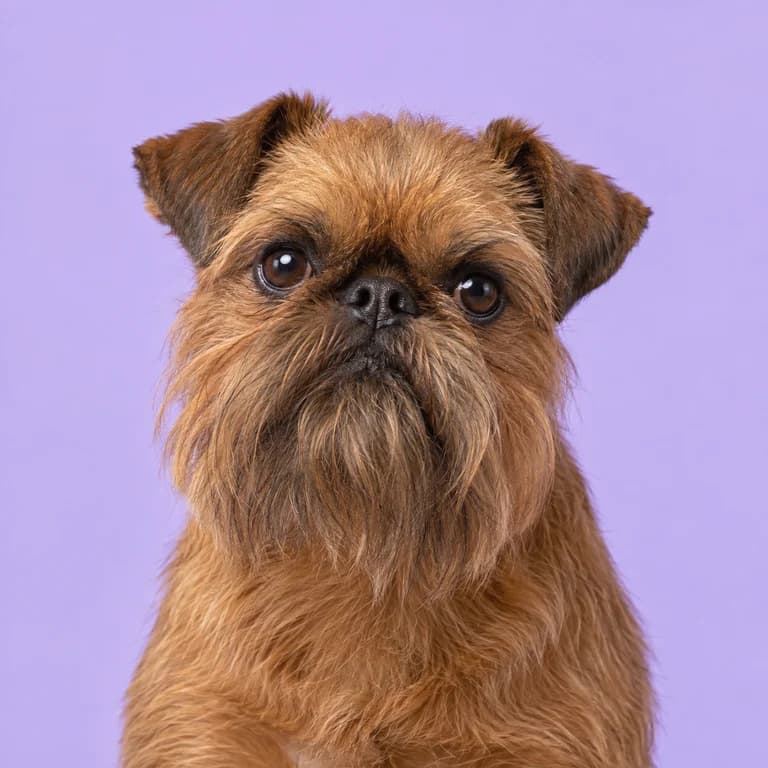
Toy group
Brussels Griffon
3 to 6 kg · 12 to 15 years
A small bearded Belgian with an almost human stare and a big opinion about who belongs to it.

Toy group
Affenpinscher
3 to 6 kg · 12 to 15 years
Barely 4 kg of confidence, a monkey-faced stable ratter that behaves as if nobody told it how small it is.

Toy group
Bolognese
2 to 4 kg · 12 to 14 years
A quiet, cloud-white Italian companion whose fluffy, open coat needs more care than its low shedding suggests.
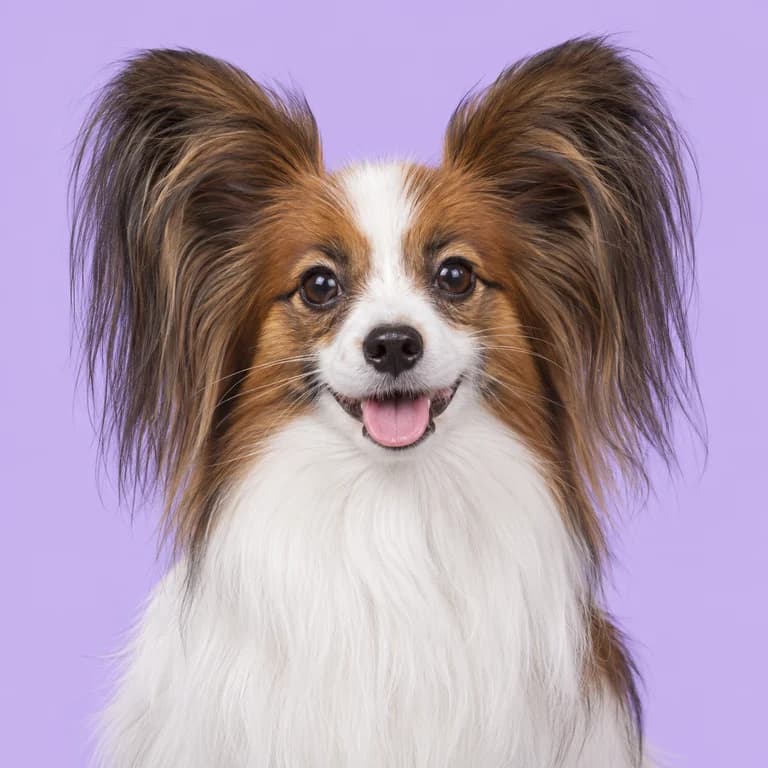
Toy group
Papillon
2 to 5 kg · 13 to 16 years
A butterfly-eared toy spaniel that learns faster than most big dogs and loves showing off what it knows.