Sources for this article
Working group · Germany
Leonberger
Also called Leo
Named for a lion and built like a bear, the Leonberger fills any room, then settles quietly into it.
The Leonberger is a giant German breed with a lion-like mane, a black mask and a reputation for gentleness with children. It can be a wonderfully calm family companion, but it comes with the shedding, costs and short lifespan that follow a very big dog.
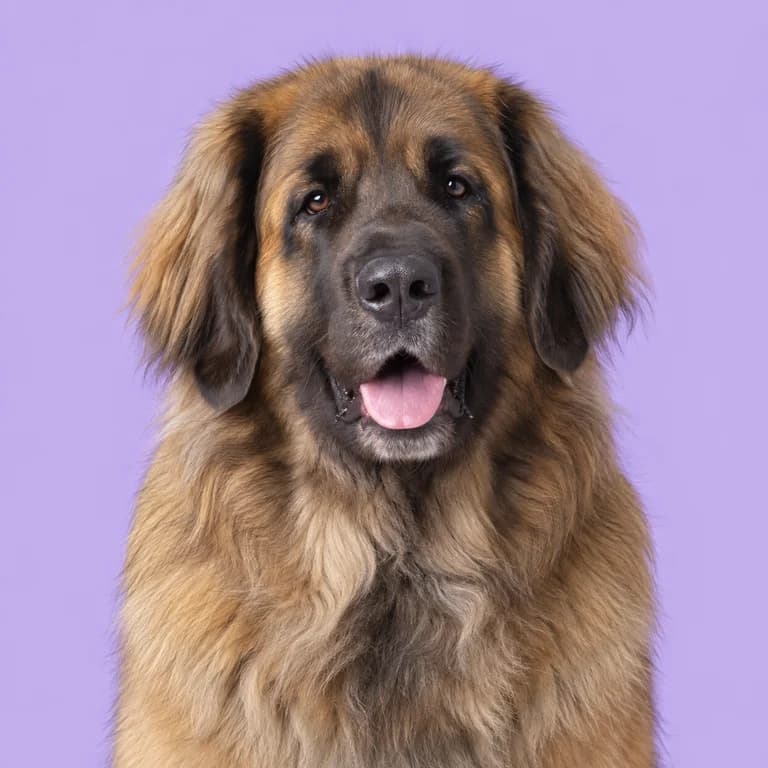
Original AI-generated breed illustration
Weight
41 to 77 kg
90 to 169 lb
Height
65 to 80 cm
at the shoulder
Life expectancy
7 to 9 yrs
Activity estimate
60 to 90 min
editorial daily planning range
Adult-size estimate
30 months
approximate model input
Life with a Leonberger
A mature male Leonberger can weigh as much as 75 kg (165 lb) and stand close to 80 cm (31.5 in) at the shoulder, with a coat that makes him look bigger still. Females are noticeably smaller and lighter, but neither sex fits neatly into a hatchback or a narrow hallway. Size is the first thing to plan for, because it shapes where the dog sleeps, how you travel, what the vet bills look like, and how many years you can expect together.
The breed's origin story is tied to civic pride. Heinrich Essig, a dog dealer and councillor in the town of Leonberg, is often credited with crossing a Landseer-type Newfoundland with a Saint Bernard in the 1830s and 1840s, later adding a Pyrenean mountain dog, to create a dog that resembled the lion on the town's coat of arms. Essig sold his dogs to wealthy buyers across Europe, and Empress Elisabeth of Austria is said to have owned several.
The two world wars nearly ended the breed. Accounts differ on the exact numbers, but only a few dogs are said to have remained after 1945, and the modern population descends from the careful work of a small group of German breeders. That narrow base is one reason health testing matters so much today.
At home, a well-bred Leo is calm, sociable and patient, often gentle with children and polite with other dogs. It wants to be with its family, and a Leonberger kept outside and alone tends to become unhappy and destructive. Many are enthusiastic swimmers, a legacy of the Newfoundland blood, and will head for any lake they can find.
What stands out
Puppy growth
Leonberger puppies grow at a remarkable rate, often reaching 30 to 40 kg by six months, yet they take two to three years to finish maturing. Males in particular fill out slowly, gaining chest, mane and muscle into their third year. Your dog will look nearly adult while its bones and joints are still developing.
Read the full puppy growth guideIllustrative model, not observed breed data or a healthy-weight standard. Use actual measurements and veterinary advice to assess growth.
A great match for
- families with space and a large vehicle
- owners who enjoy swimming and outdoor time
- homes in cooler climates
- people who want a gentle, sociable giant
Think twice if
- heavy shedding, especially twice a year
- a short lifespan of about 7 to 9 years
- slow maturity, meaning a strong adolescent for years
- drool after drinking
- high costs for food and vet care
Personality and needs at a glance
Living together
Good with children
Good with other dogs
Open with strangers
Apartment friendly
Copes with alone time
Energy and character
Energy level
Playfulness
Easy to train
Barking
5 means very vocal
Care and climate
Grooming needs
Shedding
Drooling
Handles cold
Handles heat
How much a Leonberger eats
Illustrative calculations for neutered adults at midpoint breed weights, with food at 370 kcal per 100 g and 100 g per cup. These are not measured breed requirements. Use actual weight, the food label and veterinary body-condition advice.
| Dog | Weight | Calories | Dry food |
|---|---|---|---|
| Female, relaxed lifestyle | 50 kg | 1840 kcal | 500 g (5 cups) |
| Female, typical pet | 50 kg | 2110 kcal | 570 g (5.8 cups) |
| Male, typical pet | 66 kg | 2580 kcal | 695 g (7 cups) |
| Male, very active | 66 kg | 3220 kcal | 870 g (8.8 cups) |
Care guides for the Leonberger
Things owners are often surprised by
- 1Males stand 72 to 80 cm (28 to 31.5 in) and females 65 to 75 cm (25.5 to 29.5 in)
- 2Named after the town of Leonberg near Stuttgart, whose coat of arms shows a lion
- 3Heinrich Essig, a Leonberg councillor and dog dealer, is credited with creating the breed in the mid-1800s
- 4Nearly disappeared during both world wars; only a handful of dogs are said to have survived
- 5DNA tests exist for two forms of Leonberger polyneuropathy and for leukoencephalomyelopathy
- 6Webbed feet and a water-resistant coat make many of them strong swimmers
Leonberger questions
How big does a Leonberger get?
Males typically stand 72 to 80 cm (28 to 31.5 in) and weigh roughly 54 to 77 kg (120 to 170 lb). Females are smaller, around 65 to 75 cm (25.5 to 29.5 in) and 41 to 59 kg (90 to 130 lb). Most reach full height by about 18 months but continue filling out, especially through the chest and mane, until two or three years of age.
Are Leonbergers good family dogs?
Many are excellent with families. They tend to be patient, gentle and tolerant of children's noise, and they like to be in the middle of household life. Their size is the main risk, since a happy wag or a friendly lean can flatten a toddler. Supervise, teach the dog calm manners, and make sure children know not to climb on it or ride it.
Do Leonbergers like water?
Most love it. The Newfoundland ancestry shows in webbed feet, a water-resistant coat and a strong swimming style, and some dogs train for water rescue work. Introduce water gradually, choose safe entry points, and dry the coat thoroughly afterward, especially around the ears and in the thick undercoat, to prevent damp skin becoming irritated.
What is the difference between a Leonberger and a Newfoundland?
Both are giant, water-loving breeds, but the Newfoundland is heavier boned, usually black, brown or black and white, and has a denser, oilier coat. The Leonberger is lighter on its feet, with a lion-colored coat and a black mask. Leonbergers are often a little more active, while Newfoundlands are known for being exceptionally placid.
Why do Leonbergers have short lifespans?
Giant breeds in general age faster than small ones, and the Leonberger also has higher rates of some cancers and inherited diseases. The narrow genetic base left after the world wars may play a part. Health-tested parents, a lean body, joint-friendly exercise and early veterinary attention to any change give your dog the best chance of a long life.
Popular answers for owners
- Exercise and playHow much running can a dog do at different life stages?
- Grooming and coatWhat is coat funk or clipper alopecia?
- How much to feedHow much more should I feed a nursing mother dog?
- Exercise and playHow do I pick toys for a dog with no interest in toys?
- Exercise and playCan you over exercise a puppy?
- Puppy feeding and growthWhen do giant breed puppies stop growing?
Breeds you might compare
Working group
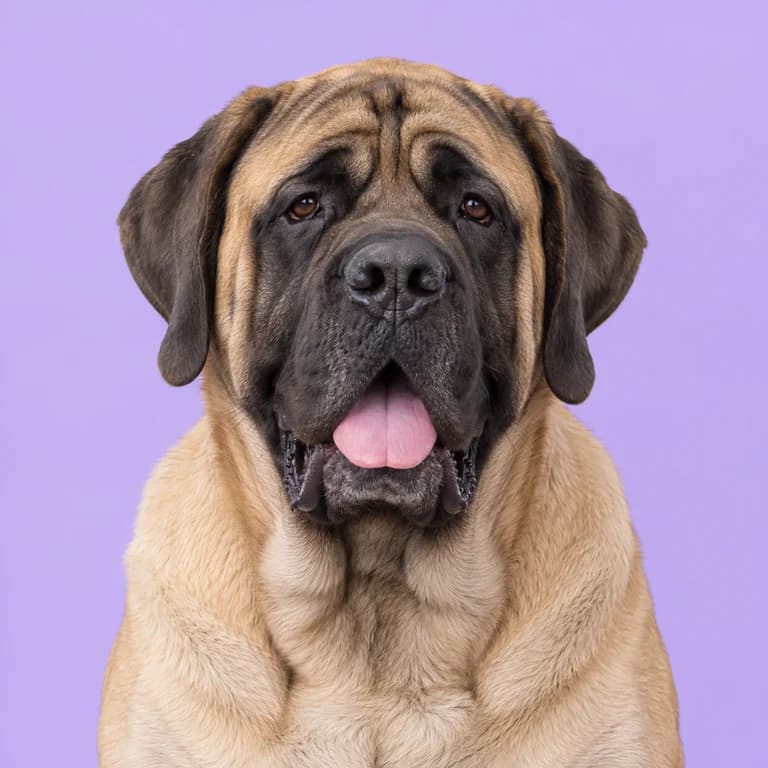
English Mastiff
54 to 100 kg · 6 to 10 years
Among the heaviest dogs in the world, the Mastiff is a gentle guard whose size shapes every decision you make.
Working group
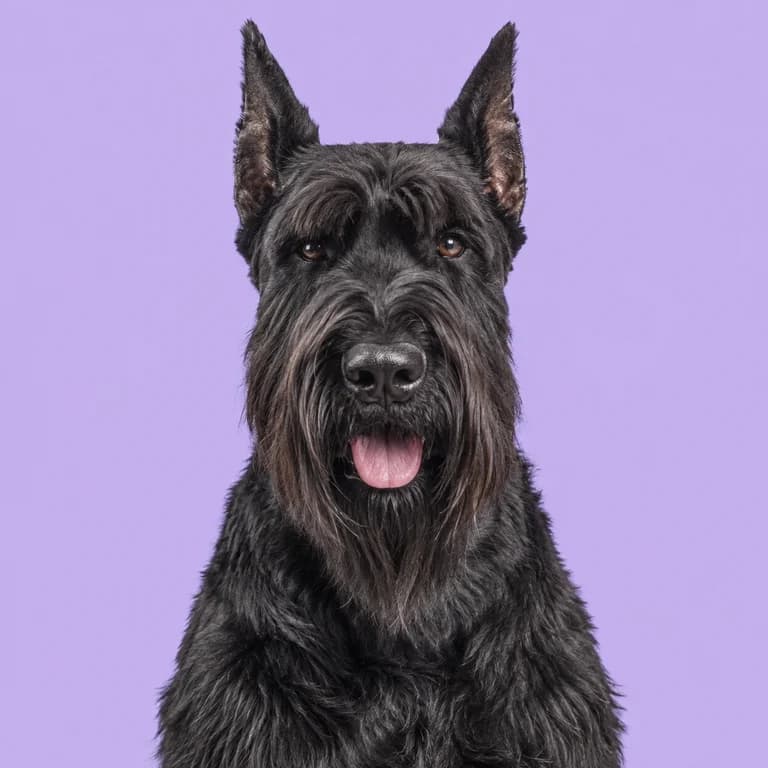
Giant Schnauzer
25 to 45 kg · 10 to 12 years
A powerful, clever working dog that thrives on structure and a job, and makes up its own without them.
Working group
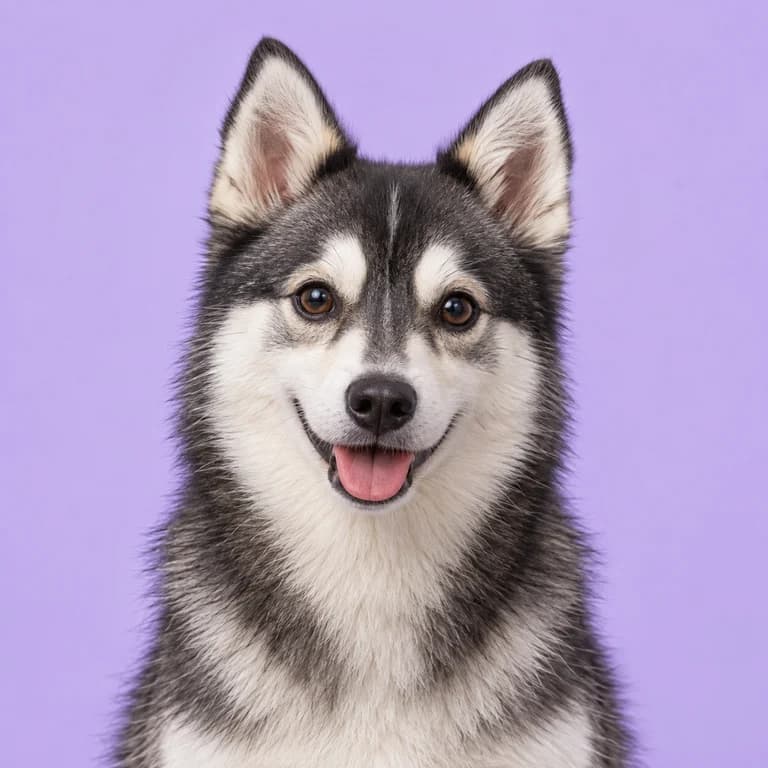
Alaskan Klee Kai
4 to 10 kg · 13 to 16 years
All the husky looks at a fraction of the size, with a far more cautious personality than most people expect.
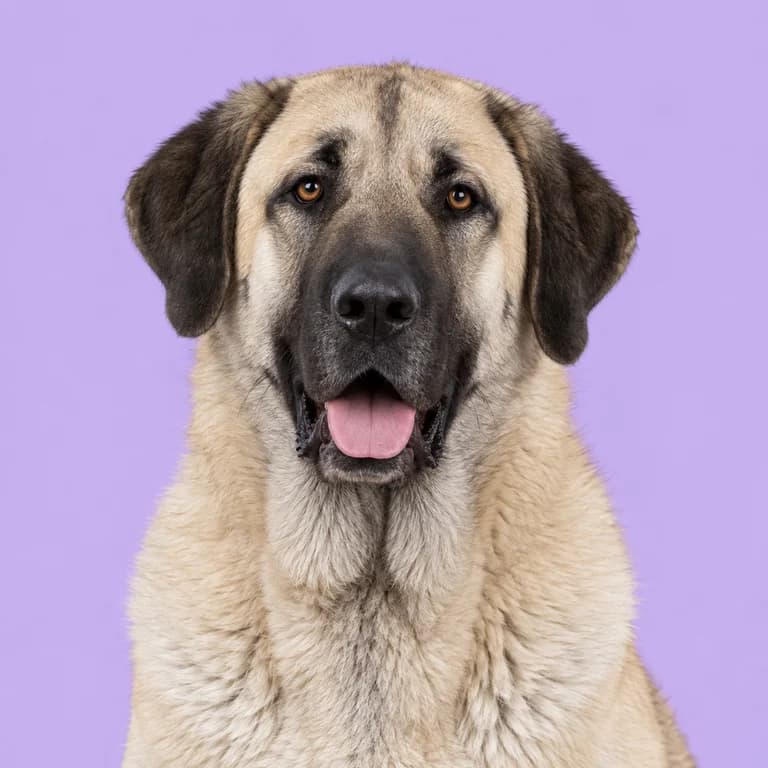
Working group
Anatolian Shepherd
40 to 65 kg · 11 to 13 years
An ancient Turkish flock guardian built for heat, distance and decisions, and quite happy to make them without you.
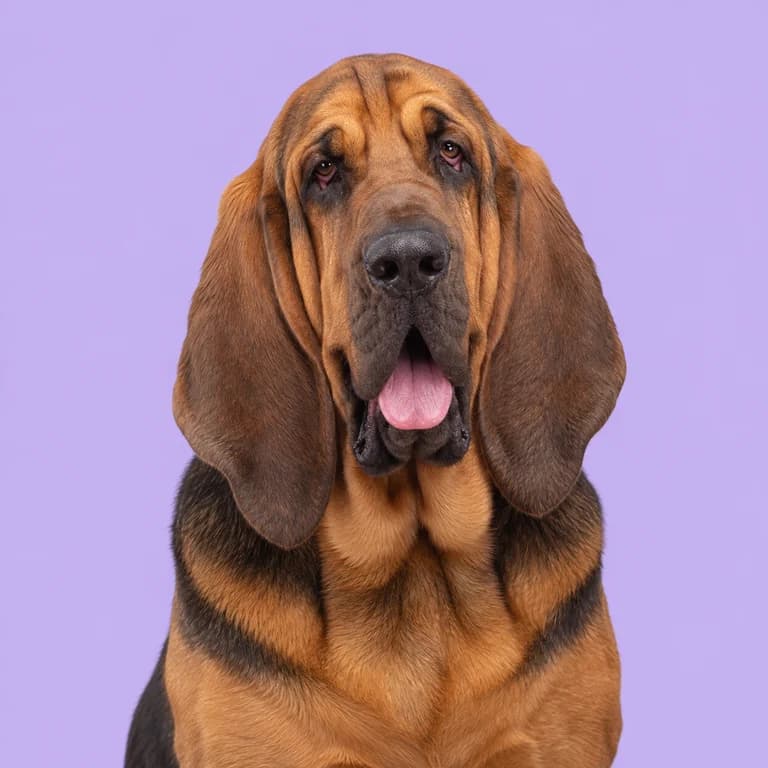
Hound group
Bloodhound
40 to 54 kg · 10 to 12 years
A patient, drooling giant whose trailing work has been accepted as evidence in courtrooms.
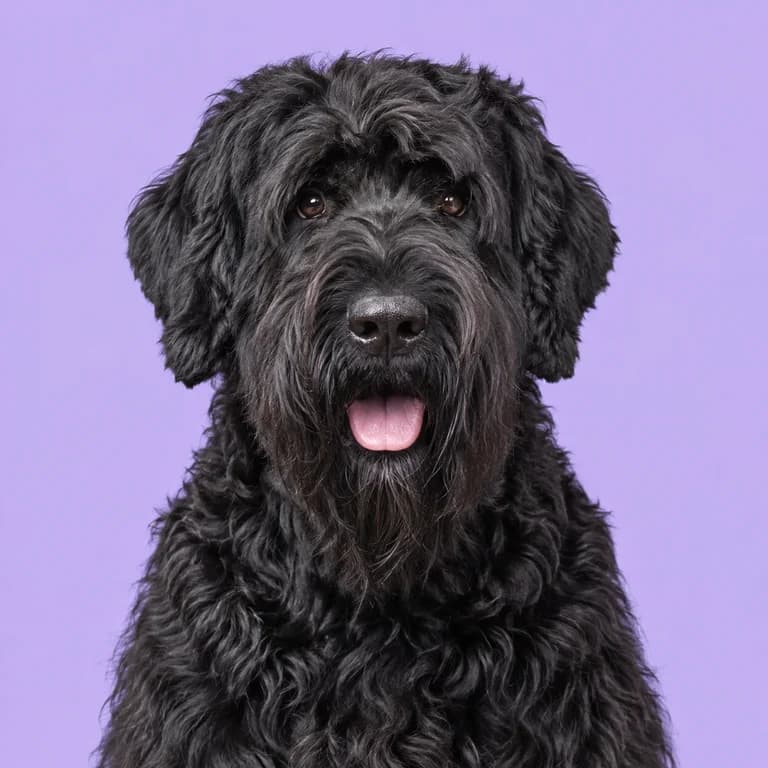
Working group
Black Russian Terrier
45 to 60 kg · 10 to 12 years
A guardian designed by the Soviet army from a mix of breeds, calm at home and serious at the gate.