Sources for this article
Sporting group · Germany
Weimaraner
Also called Weim, Grey Ghost, Weimaraner Vorstehhund
A silver hunting dog with an athlete's stamina and a constant need to be right beside you.
Weimaraners were bred for long days in the field and still expect some version of that. Given enough running, sniffing and company they are affectionate, funny and elegant; without it they turn restless, noisy and destructive.

Original AI-generated breed illustration
Weight
25 to 41 kg
55 to 90 lb
Height
58 to 69 cm
at the shoulder
Life expectancy
10 to 13 yrs
Activity estimate
120 to 150 min
editorial daily planning range
Adult-size estimate
18 months
approximate model input
Life with a Weimaraner
Two hours. That is the rough daily activity budget most adult Weimaraners need, and it is the first number any future owner should think about. The breed took shape in the early 19th century at the court of Grand Duke Karl August of Saxe-Weimar-Eisenach, where nobles wanted a single dog that could track wounded deer and boar, point birds and retrieve from water. Stamina, pace and a tireless nose were the whole point.
German breeders guarded the dog jealously. The breed club restricted membership and rarely sold to outsiders until an American sportsman, Howard Knight, was allowed to import a pair in 1929. Interest in the United States grew fast after the Second World War, helped decades later by the photographer William Wegman, whose portraits of his own Weimaraners made the silver face famous far beyond hunting circles.
Indoors, a well-exercised Weim is loving and often clownish. They crave contact, lean against legs and will burrow under a duvet if allowed. That same attachment is the breed's weak spot: Weimaraners are well known for struggling when left alone, and some howl, dig at doors or chew window frames within minutes of the owner leaving.
What stands out
Exercise
Aim for 90 to 120 minutes a day for an adult, with at least half of it as free running or structured work. Weims shine at canicross, bikejoring once fully grown, tracking, gundog training and long hill walks. A short loop around the block does not come close; they need to stretch out at speed and use their nose.
Read the full exercise guideActivity planning estimate
120 to 150 min
editorial estimate, not a prescription
Energy
5 / 5
Playfulness 4 / 5
A great match for
- runners, cyclists and hill walkers
- owners who work from home
- people interested in gundog work or canicross
- experienced homes with a secure, high-fenced garden
Think twice if
- distress when left alone for long periods
- strong prey drive toward cats, rabbits and birds
- determined counter surfing and food theft
- needs around 2 hours of activity most days
- bouncy and clumsy around small children
Personality and needs at a glance
Living together
Good with children
Good with other dogs
Open with strangers
Apartment friendly
Copes with alone time
Energy and character
Energy level
Playfulness
Easy to train
Barking
5 means very vocal
Care and climate
Grooming needs
Shedding
Drooling
Handles cold
Handles heat
How much a Weimaraner eats
Illustrative calculations for neutered adults at midpoint breed weights, with food at 370 kcal per 100 g and 100 g per cup. These are not measured breed requirements. Use actual weight, the food label and veterinary body-condition advice.
| Dog | Weight | Calories | Dry food |
|---|---|---|---|
| Female, relaxed lifestyle | 30 kg | 1240 kcal | 335 g (3.3 cups) |
| Female, typical pet | 30 kg | 1420 kcal | 385 g (3.8 cups) |
| Male, typical pet | 37 kg | 1660 kcal | 450 g (4.5 cups) |
| Male, very active | 37 kg | 2080 kcal | 560 g (5.5 cups) |
Care guides for the Weimaraner
Things owners are often surprised by
- 1Puppies are born with faint tiger stripes and bright blue eyes that later turn amber or gray
- 2Developed at the ducal court of Weimar in the early 1800s
- 3The German breed club rarely allowed dogs to leave the country until 1929
- 4Nicknamed the Grey Ghost for its coat and quiet movement through cover
- 5A longhaired type is recognized by the FCI but not by the AKC
Weimaraner questions
Why does my Weimaraner follow me everywhere?
Weimaraners were developed to work closely with one hunter rather than range independently, so staying near its person is deeply built in. Weims are often called velcro dogs for this reason. It is normal and usually a sign of attachment. Problems begin only if your dog panics when separated, which is why gradual practice at being alone should start in puppyhood.
Are blue Weimaraners purebred?
Blue-gray Weimaraners do occur and come from a recessive gene, but the major kennel clubs treat blue as a disqualifying color in the show ring. The dogs are still Weimaraners in ancestry and behavior. If a breeder markets blue puppies as rare and charges more for them, treat that as a warning sign rather than a selling point.
Can a Weimaraner live with cats?
Some can, especially when raised alongside a calm cat from puppyhood. The hunting instinct is strong, though, and a dog that ignores the family cat may still chase the neighbor's. Introduce them slowly, give the cat escape routes and high perches, and never leave them unsupervised until you are sure. Rabbits and guinea pigs are a much bigger risk.
What does the longhaired Weimaraner look like?
It has the same silver-gray color and athletic build as the shorthaired type, with a soft coat of roughly 3 to 5 cm (1 to 2 in) on the body and longer feathering on the ears, tail and backs of the legs. It is recognized by the FCI in Europe but not by the AKC. Temperament and exercise needs are identical.
Why are Weimaraner eyes so light?
Adult Weimaraners typically have amber, light gray or blue-gray eyes, a trait linked to the same dilute genetics that gives the coat its silver tone. Puppies start with vivid blue eyes that shift gradually during the first months. That pale, steady stare gives the breed much of its haunting look and helped earn it the Grey Ghost nickname.
Popular answers for owners
- Exercise and playHow often should I replace my dog's toys?
- Bowls and feeding gearDo flat faced dogs need slanted bowls?
- Puppy feeding and growthWhen do small breed puppies reach their adult size?
- Bowls and feeding gearAre automatic feeders good for dogs on a diet?
- How much to feedHow do I stop other pets from eating a diet dog's portion?
- How much to feedHow do I work out my dog's target weight if I do not know its ideal?
Breeds you might compare

Sporting group
American Cocker Spaniel
9 to 14 kg · 12 to 14 years
The smallest American sporting spaniel, famous for a flowing coat that demands nearly as much attention as the dog.

Sporting group
Golden Retriever
25 to 34 kg · 10 to 12 years
A soft-mouthed Scottish gundog that treats every visitor as a friend and every sock as a gift.
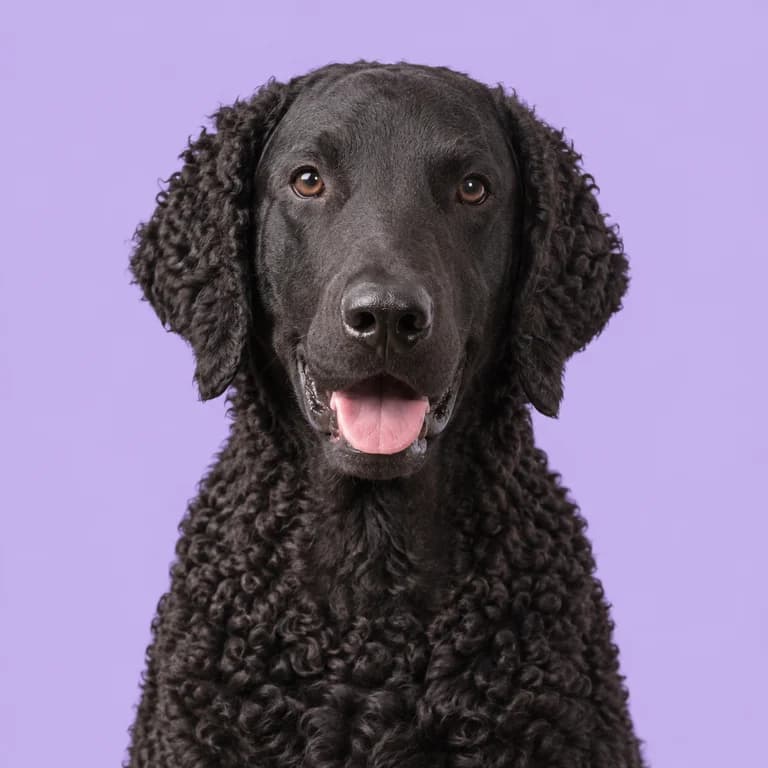
Sporting group
Curly-Coated Retriever
27 to 36 kg · 10 to 12 years
The tallest and perhaps most independent retriever, wrapped in a waterproof coat of tight curls you should never brush.
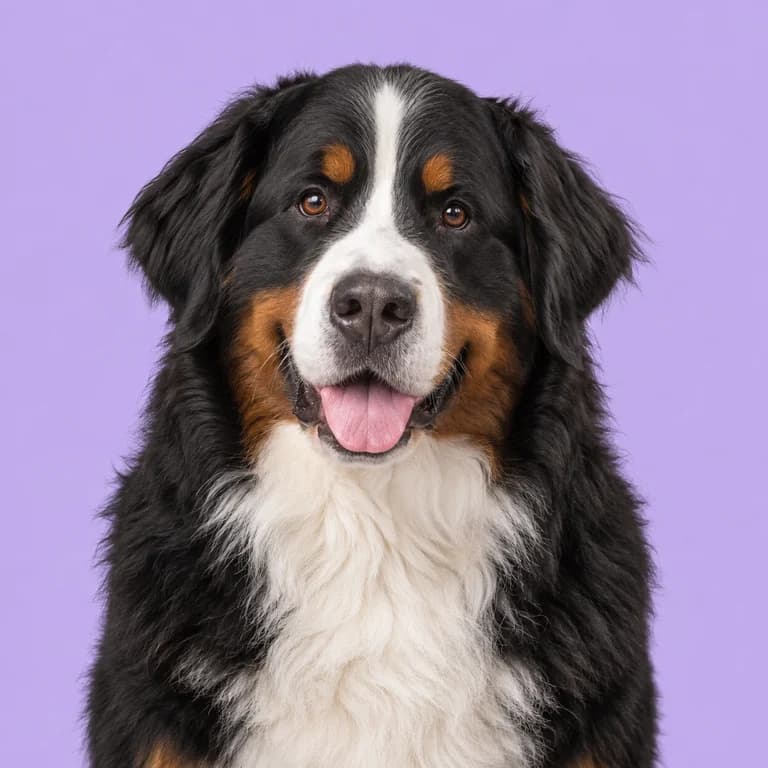
Working group
Bernese Mountain Dog
34 to 50 kg · 7 to 10 years
A gentle Swiss farm dog with a huge heart and a short average life that owners should understand before they fall in love.
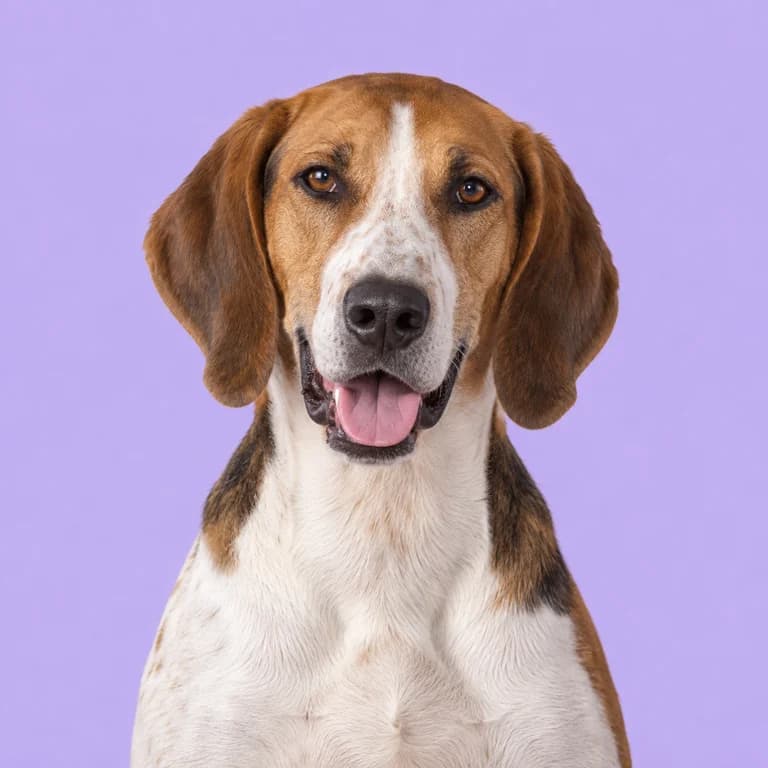
Hound group
English Foxhound
25 to 34 kg · 10 to 13 years
A pack hound built to run all day across open country, rarely kept as a pet and demanding when it is.
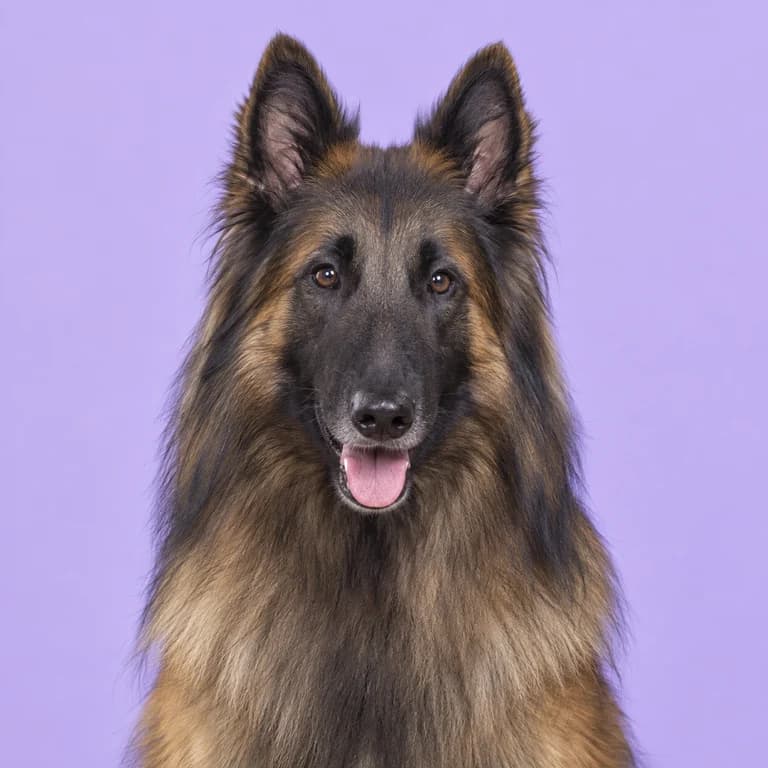
Herding group
Belgian Tervuren
20 to 30 kg · 12 to 14 years
A long-coated Belgian herder with a sprinter's reflexes and a working mind that wants a daily assignment.