Crossbreed · Australia
Labradoodle
Also called Doodle
A cross first bred for an Australian guide-dog program, now among the world's most popular family dogs.
The Labradoodle is a Labrador Retriever and Poodle cross, first bred on purpose in 1989 to produce a guide dog for a woman whose husband was allergic to dogs. It is usually friendly, social and eager to learn, but size, coat and shedding vary widely from dog to dog, and health depends heavily on the parents chosen.
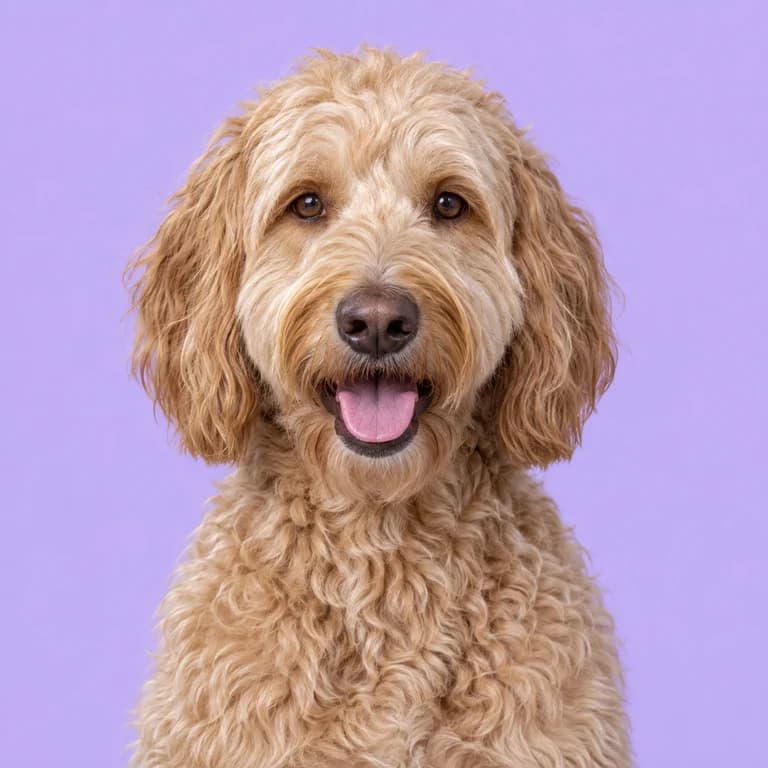
Original AI-generated breed illustration
Weight
17 to 32 kg
37 to 70 lb
Height
50 to 62 cm
at the shoulder
Life expectancy
12 to 15 yrs
Activity estimate
90 to 120 min
editorial daily planning range
Adult-size estimate
16 months
approximate model input
Life with a Labradoodle
In 1989, Wally Conron, a breeding manager at a guide dog association in Victoria, Australia, received a request from a blind woman in Hawaii whose husband was allergic to dogs. After the Standard Poodles he tried proved unsuitable for guide work, he bred a Labrador Retriever to a Standard Poodle. One puppy from that litter, Sultan, suited the husband's allergies and went on to work as a guide dog. The catchy name was part of the publicity used to find homes for his littermates.
Demand exploded, and Conron has said in interviews that he regrets starting a trend that encouraged careless breeding. That is the honest background to the Labradoodle today: a genuinely lovely type of dog, produced by everyone from careful, health-testing breeders to large commercial operations that pay little attention to either parent. In Australia, a group of breeders also developed a multigenerational line with some Cocker Spaniel ancestry, known as the Australian Labradoodle, with its own breed associations.
Because it is a cross, the Labradoodle has no single standard size. Dogs bred from a Standard Poodle are usually 53 to 62 cm (21 to 24 in) and 20 to 32 kg (44 to 70 lb), which is the range shown on this page. Mediums are commonly 14 to 20 kg (31 to 44 lb), and miniatures from a Miniature Poodle parent can be 7 to 12 kg (15 to 26 lb). Ask to meet both parents, since their size is the best guide to your puppy's.
Temperament is more predictable than coat. Most Labradoodles are sociable, cheerful and people-oriented, with a Labrador's love of food and fun and a Poodle's quick mind. They usually greet strangers as friends, get on well with other dogs and adore children. The flip side is a dog that hates being left out, needs real exercise and can stay bouncy and mouthy well into its second year.
A great match for
- active families with children
- people wanting a sociable, trainable companion
- owners prepared for regular professional grooming
- therapy work, when bred from health-tested, calm parents
Think twice if
- coat type and shedding hard to predict in puppies
- matting without brushing several times a week
- very high energy in young dogs
- huge variation in quality between breeders
- distress if left alone for long hours
Personality and needs at a glance
Living together
Good with children
Good with other dogs
Open with strangers
Apartment friendly
Copes with alone time
Energy and character
Energy level
Playfulness
Easy to train
Barking
5 means very vocal
Care and climate
Grooming needs
Shedding
Drooling
Handles cold
Handles heat
How much a Labradoodle eats
Illustrative calculations for neutered adults at midpoint breed weights, with food at 370 kcal per 100 g and 100 g per cup. These are not measured breed requirements. Use actual weight, the food label and veterinary body-condition advice.
| Dog | Weight | Calories | Dry food |
|---|---|---|---|
| Female, relaxed lifestyle | 23 kg | 1010 kcal | 275 g (2.8 cups) |
| Female, typical pet | 23 kg | 1160 kcal | 315 g (3.3 cups) |
| Male, typical pet | 26 kg | 1290 kcal | 350 g (3.5 cups) |
| Male, very active | 26 kg | 1610 kcal | 435 g (4.3 cups) |
Care guides for the Labradoodle
Things owners are often surprised by
- 1The first deliberate litter was bred in 1989 at a guide dog association in Victoria, Australia
- 2Comes in three rough sizes depending on the Poodle parent: miniature, medium and standard
- 3Labels such as F1 and F1B describe the generation and how much Poodle is in the mix
- 4The Australian Labradoodle is a separate multigenerational line that also includes Cocker Spaniel ancestry
- 5Puppies in a single litter can grow flat, wavy or curly coats
- 6No coat type is guaranteed to be allergy-friendly
Labradoodle questions
Are Labradoodles hypoallergenic?
No dog is truly hypoallergenic. Allergens come from saliva and skin as well as hair, and Labradoodle coats range from shedding flat coats to low-shedding wool. Some people with allergies do react less to low-shedding dogs, but it is not guaranteed. If you have allergies, spend time with the puppy's parents and ideally with adult dogs of a similar coat before deciding.
What do F1, F1B and multigen mean for Labradoodles?
They describe generation. An F1 is a first cross between a Labrador and a Poodle, which often produces varied coats. An F1B is an F1 crossed back to a Poodle, usually giving a curlier, lower-shedding coat. Multigenerational means both parents are Labradoodles, which can make coat and size more predictable when the breeder has selected carefully.
How can I tell what coat my Labradoodle puppy will have?
Early clues include facial furnishings: puppies with a beard and eyebrows at 6 to 8 weeks are more likely to grow a low-shedding coat. A DNA test for furnishings and curl can also help. Still, the adult coat usually doesn't fully show until 6 to 12 months, so ask the breeder what coats earlier litters from the same parents developed.
What is the difference between a Labradoodle and an Australian Labradoodle?
A Labradoodle is a cross of Labrador Retriever and Poodle in any generation. The Australian Labradoodle is a separate, multigenerational line developed in Australia that also includes Cocker Spaniel ancestry. Its breeders typically aim for more consistent size, coat and temperament and often keep their own registries and breeding standards.
Did the creator of the Labradoodle regret it?
Wally Conron, who bred the first guide-dog Labradoodles in 1989, has said in interviews that he regrets the trend it started. His concern was not the dogs themselves but the rush of careless breeding that followed, producing puppies with health and temperament problems. His comments are a good reminder to choose a breeder who health-tests both parents.
Popular answers for owners
- Bowls and feeding gearWhat bowl is best for a French Bulldog?
- Puppy feeding and growthWhy is my puppy not gaining weight?
- Bowls and feeding gearWhat is a puzzle feeder for dogs?
- How much to feedHow many calories does my dog need per day?
- How much to feedHow much more should I feed a dog that swims regularly?
- Exercise and playCan too much exercise hurt a puppy's joints?
Breeds you might compare
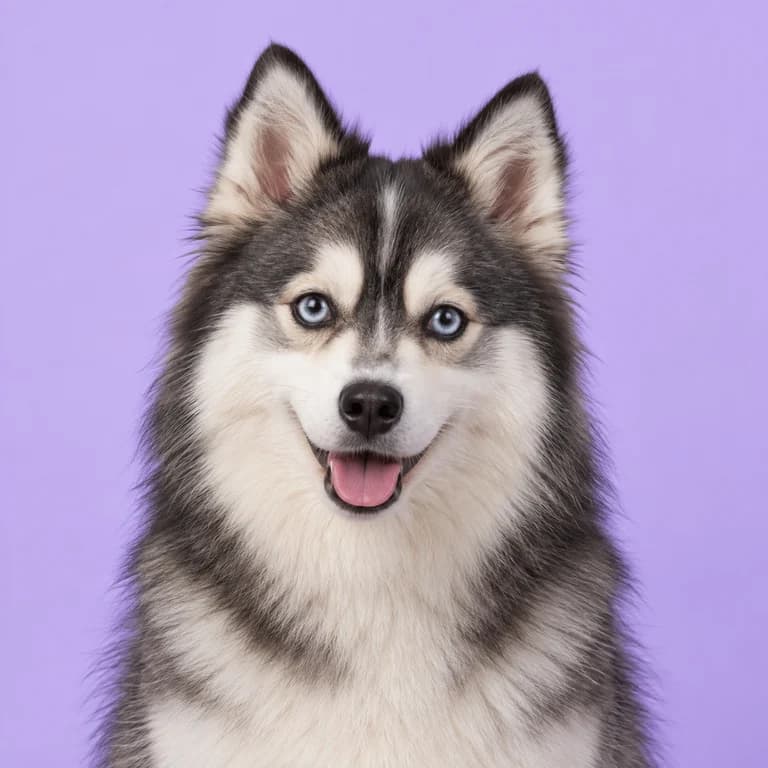
Crossbreed
Pomsky
7 to 14 kg · 12 to 15 years
A Husky look in a smaller package, with size and personality that vary more than many buyers expect.
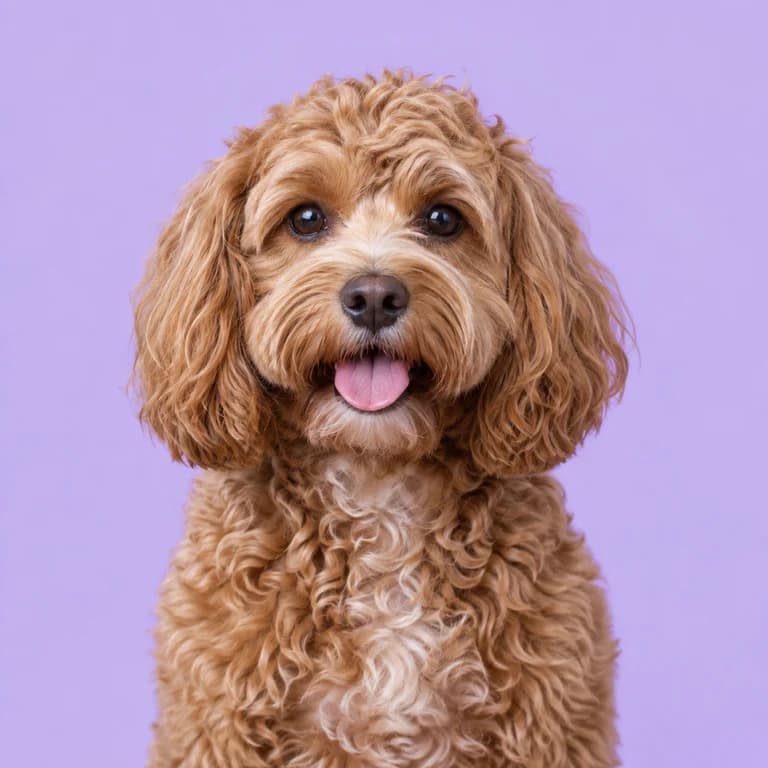
Crossbreed
Cavapoo
5 to 11 kg · 12 to 15 years
Cavalier softness meets Poodle brains in a people-focused cross sized for almost any home.
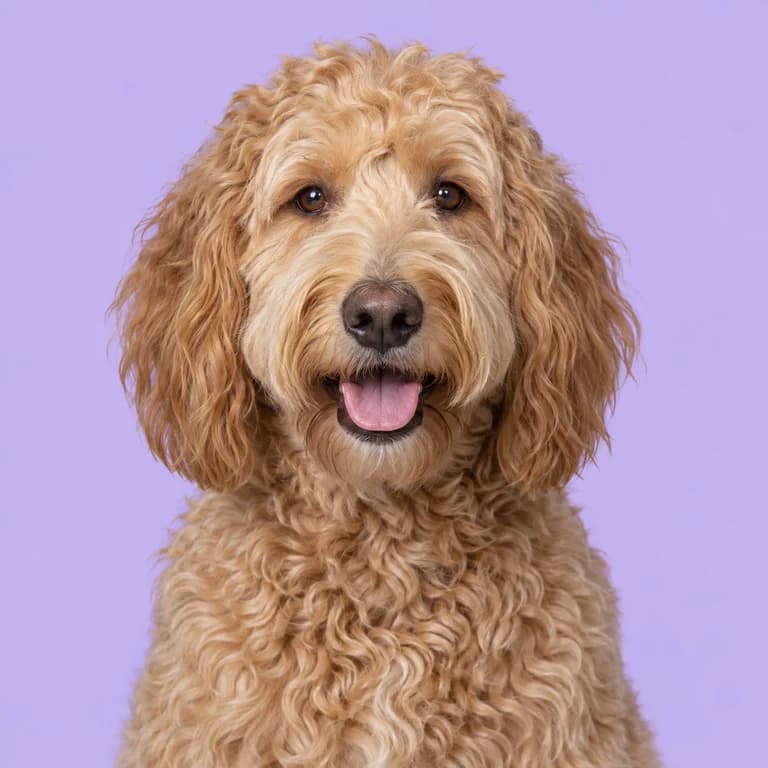
Crossbreed
Goldendoodle
23 to 36 kg · 10 to 15 years
A sociable Golden Retriever and Poodle cross whose coat type decides how much of your week goes to brushing.
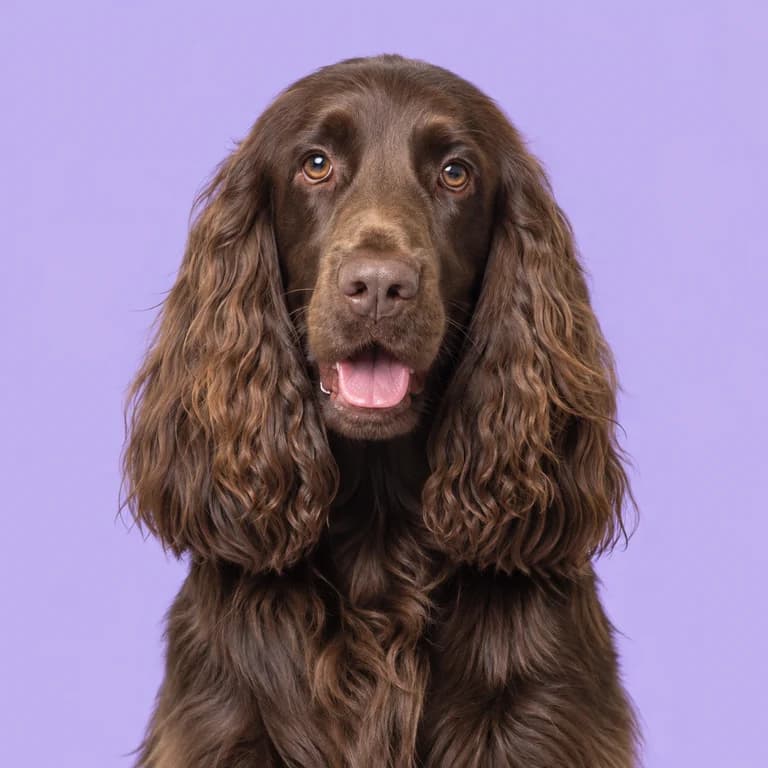
Sporting group
Field Spaniel
16 to 23 kg · 12 to 14 years
A gentle, thoughtful spaniel that nearly disappeared after the Second World War and was rebuilt from a handful of dogs.
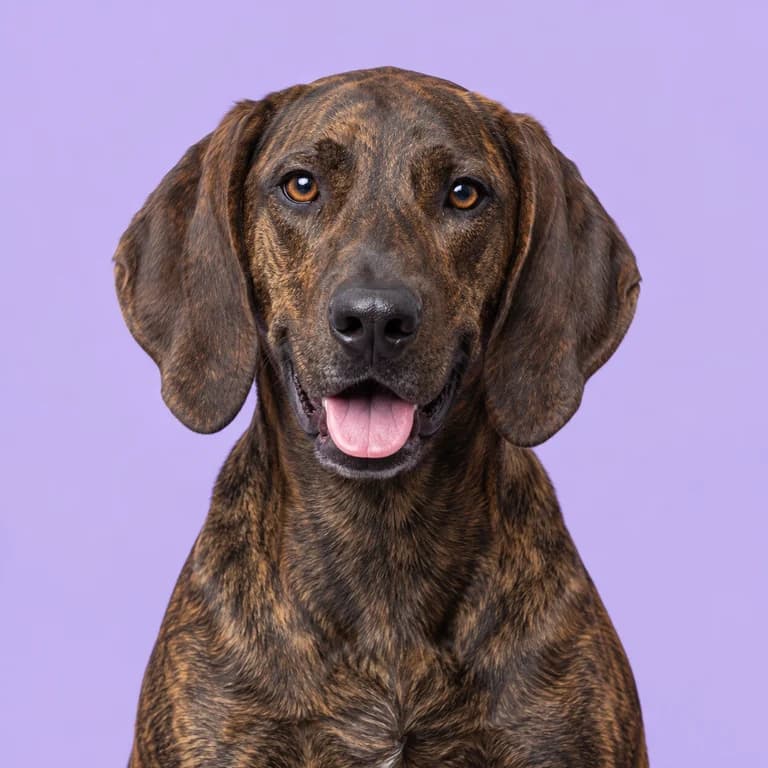
Hound group
Plott Hound
18 to 27 kg · 12 to 14 years
A brindle bear hound from the Great Smoky Mountains, built to trail all night and announce every find.
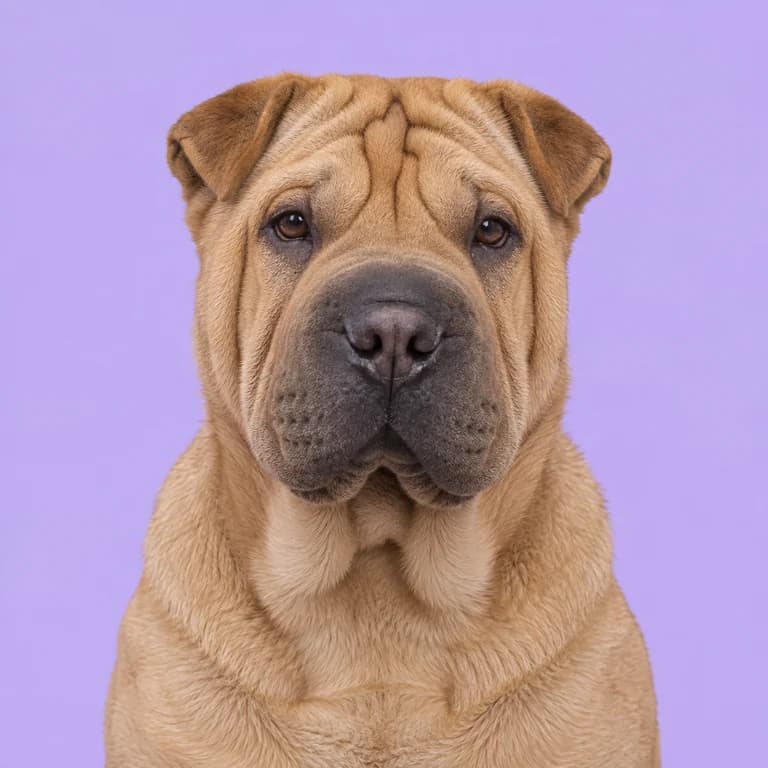
Non-sporting group
Chinese Shar-Pei
18 to 27 kg · 8 to 12 years
A wrinkled, blue-tongued guardian from southern China whose skin and eyes need more attention than almost any breed.