Sources for this article
Hound group · England
Whippet
Also called Snap Dog, English Whippet
Built for 55 km/h sprints, yet happiest curled under a blanket for most of the day.
Bred in northern England to race and catch rabbits, the Whippet turns out to be one of the calmest dogs you can share a sofa with. Indoors it is quiet, clean and gentle, and it asks for surprisingly little. Outside, the urge to chase anything small and fast never switches off, and every decision about walks has to allow for that.
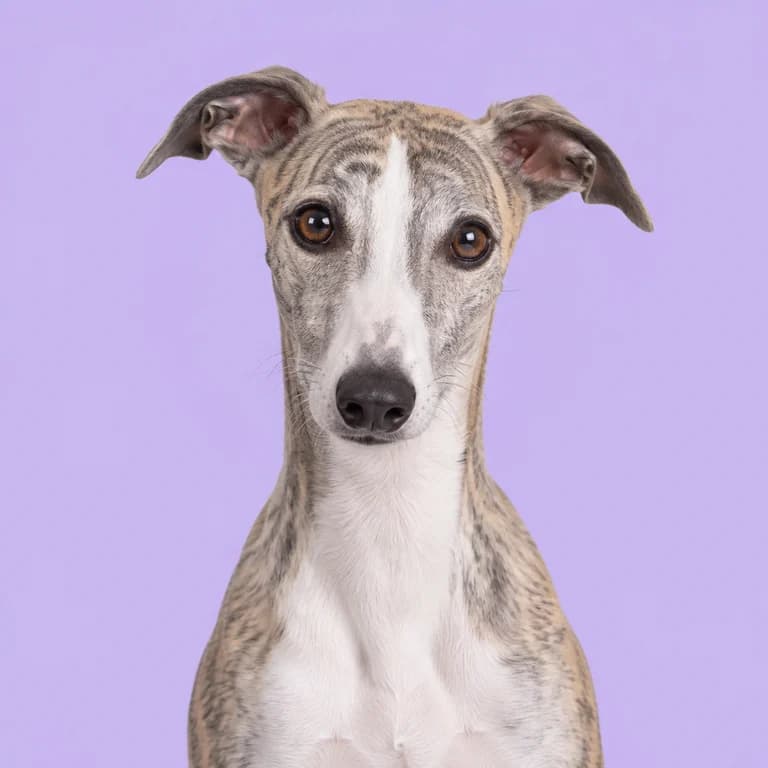
Original AI-generated breed illustration
Weight
9 to 16 kg
20 to 35 lb
Height
44 to 56 cm
at the shoulder
Life expectancy
12 to 15 yrs
Activity estimate
60 to 90 min
editorial daily planning range
Adult-size estimate
14 months
approximate model input
Life with a Whippet
Nobody knows exactly when the Whippet first appeared, but by the nineteenth century it was firmly established among mill and mine workers in the north of England. Small Greyhound-type dogs were probably crossed with terriers to create a dog that could catch rabbits for the pot during the week and race on Sunday afternoons. In rag racing, owners stood at the finish line waving a cloth, and the dogs sprinted toward it from around 180 m (200 yards) away.
The Kennel Club recognized the breed in 1890, and its outline has changed remarkably little since. Think of a Greyhound scaled down: deep chest, arched loin, long neck and a light, springing stride.
What surprises new owners is how little a Whippet does at home. After a few flat-out runs it will sleep for hours, preferably under a blanket or pressed against your side. It rarely barks, is gentle with people and tends to be polite with other dogs. The same dog can become a single-minded hunter the instant a squirrel crosses a field, and that contrast is the heart of living with one.
What stands out
Training
Whippets are intelligent but not especially keen to repeat themselves for your benefit. They learn fast with short, lively sessions and tasty food, and lose interest with drilling. Pressure and sharp words make them withdraw.
Read the full training guideEasy to train
Open with strangers
Good with other dogs
A great match for
- calm households that want a quiet dog indoors
- apartment dwellers with access to safe running space
- owners who want a clean, low-odor dog
- families with gentle children
Think twice if
- strong chase instinct toward cats, squirrels and rabbits
- recall that fails when prey appears
- needs coats and warm bedding in cold weather
- thin skin prone to cuts and tears
- sensitive to rough handling and noisy homes
Personality and needs at a glance
Living together
Good with children
Good with other dogs
Open with strangers
Apartment friendly
Copes with alone time
Energy and character
Energy level
Playfulness
Easy to train
Barking
5 means very vocal
Care and climate
Grooming needs
Shedding
Drooling
Handles cold
Handles heat
How much a Whippet eats
Illustrative calculations for neutered adults at midpoint breed weights, with food at 370 kcal per 100 g and 100 g per cup. These are not measured breed requirements. Use actual weight, the food label and veterinary body-condition advice.
| Dog | Weight | Calories | Dry food |
|---|---|---|---|
| Female, relaxed lifestyle | 11 kg | 590 kcal | 160 g (1.5 cups) |
| Female, typical pet | 11 kg | 680 kcal | 185 g (1.8 cups) |
| Male, typical pet | 14 kg | 790 kcal | 215 g (2.3 cups) |
| Male, very active | 14 kg | 990 kcal | 265 g (2.8 cups) |
Care guides for the Whippet
Things owners are often surprised by
- 1Can reach around 56 km/h (35 mph) and accelerates faster than almost any breed its size
- 2Often called the poor man's racehorse, after the working-class racing tradition that shaped it
- 3Carries very little body fat, so it feels the cold and loves a padded bed
- 4Has almost no doggy odor and sheds lightly
- 5Any color or pattern is accepted in the breed standard
- 6Thin skin tears more easily than in most breeds, often on fences or brambles
Whippet questions
Can Whippets live with cats?
Many do, particularly when raised with a cat from puppyhood. A Whippet often learns that its own cat is family while still chasing strange cats outdoors. Introduce adult Whippets to cats slowly, on a lead, with the cat able to reach high ground. Never assume that peace in the living room means safety in the garden, where the chase instinct runs much stronger.
What is the difference between a Whippet and an Italian Greyhound?
Size is the obvious one. An Italian Greyhound weighs around 3.5 to 5 kg and is classed as a toy breed, while a Whippet is two to three times heavier and was bred for racing and rabbiting. Italian Greyhounds have finer bones that break more easily and tend to be more vocal. Whippets are sturdier and usually more laid-back at home.
Is it normal for a Whippet to shiver?
Often, yes. With almost no fat and a very thin coat, Whippets shiver in weather other dogs find mild, and some tremble with excitement before a walk. A coat, a fleece-lined bed and a blanket to burrow under usually solve it. If your Whippet shivers in a warm room, seems painful, or is also off its food, call your vet.
Are Whippets good for first-time owners?
They can be a very good fit. Whippets are quiet, clean and easy to live with indoors, and their exercise needs are moderate. The learning curve is the chase instinct: secure fencing, a firm lead habit near roads and realistic expectations about off-lead freedom. A first-time owner who accepts those limits usually finds the breed very rewarding.
Do Whippets bark?
Rarely. Most make very little noise, and plenty of owners say they hear a bark only a handful of times a year. They are useless as watchdogs. Some make a playful grumble or a soft 'roo' when they want attention. A Whippet that barks a lot is usually bored or anxious rather than guarding anything.
Popular answers for owners
- How much to feedWhy does my measuring cup give a different amount than the bag's cup?
- Grooming and coatIs it safe to let my dog air dry outside in cold weather?
- Bowls and feeding gearShould I use a raised mat under an elevated bowl?
- Grooming and coatWhat age should a puppy have its first proper groom?
- How much to feedMy dog has a rounded belly but the rest of the body looks lean, is that fat?
- How much to feedHow much more should I feed a nursing mother dog?
Breeds you might compare
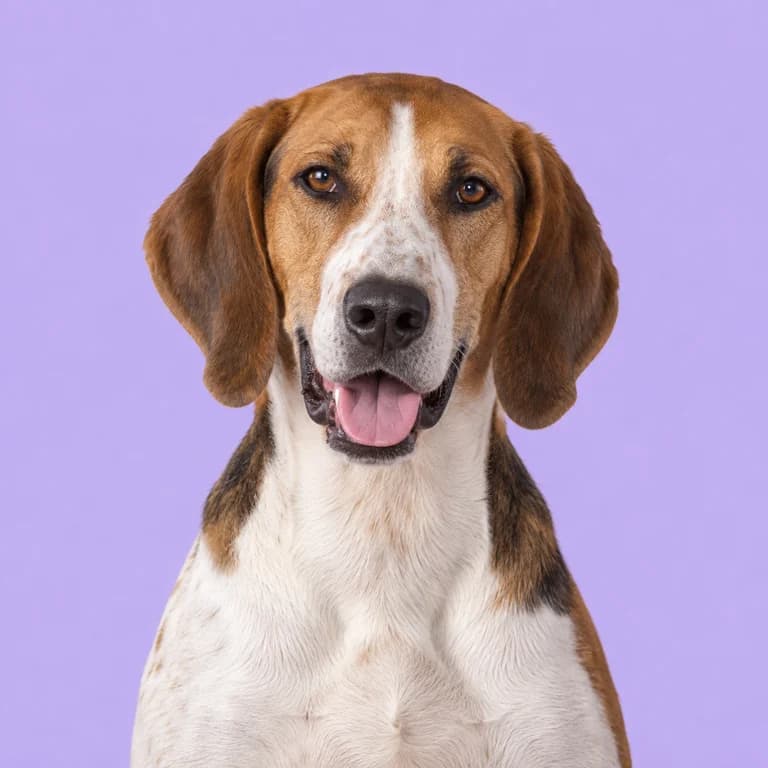
Hound group
English Foxhound
25 to 34 kg · 10 to 13 years
A pack hound built to run all day across open country, rarely kept as a pet and demanding when it is.
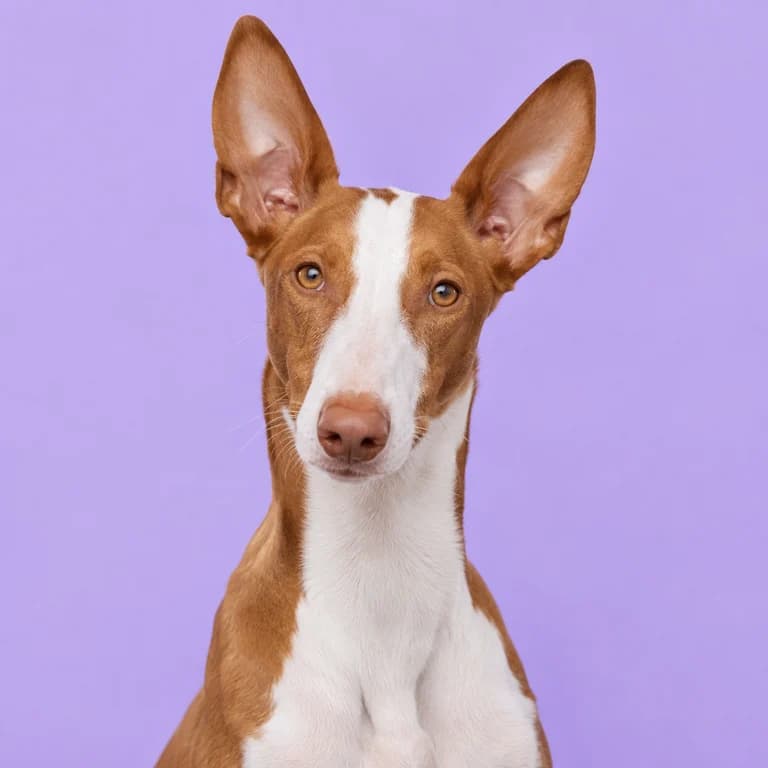
Hound group
Ibizan Hound
19 to 25 kg · 11 to 14 years
A graceful island hunter that tracks rabbits by sight, sound and scent, and clears fences from a standstill.
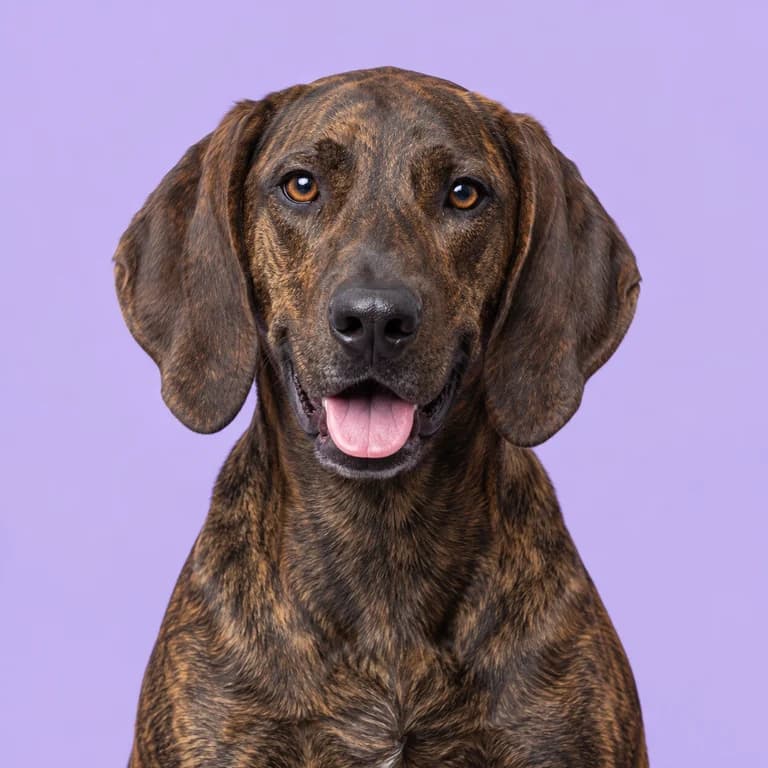
Hound group
Plott Hound
18 to 27 kg · 12 to 14 years
A brindle bear hound from the Great Smoky Mountains, built to trail all night and announce every find.

Sporting group
Brittany
13 to 18 kg · 12 to 14 years
A compact French bird dog built to cover open ground at speed, then freeze on point.
Hound group
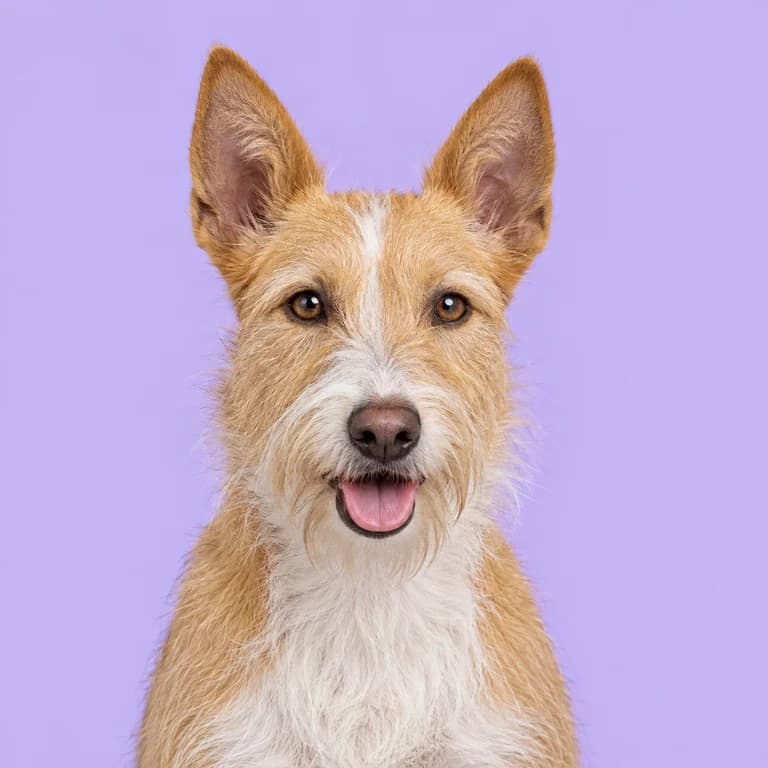
Portuguese Podengo
4 to 30 kg · 12 to 15 years
Portugal's rabbit hunter comes in three sizes and two coats, all sharing big ears, sharp senses and a lively mind.
Herding group
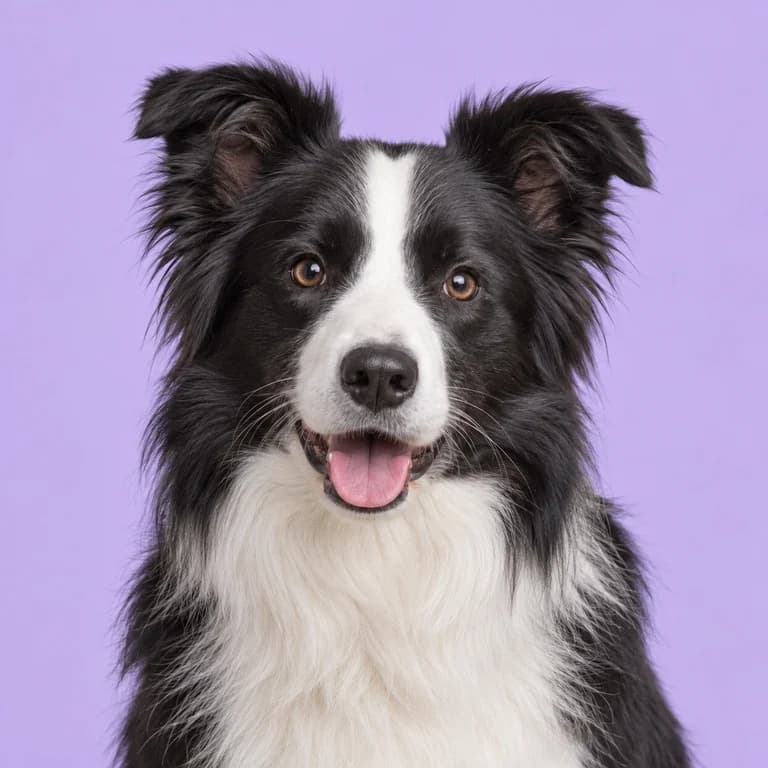
Border Collie
12 to 20 kg · 12 to 15 years
Possibly the most gifted working mind in dogs, and it needs a job every single day.