Sources for this article
Working group · United States (Alaska)
Alaskan Klee Kai
Also called AKK, Klee Kai, Miniature Husky
All the husky looks at a fraction of the size, with a far more cautious personality than most people expect.
The Alaskan Klee Kai was developed in Alaska from the 1970s to give owners a smaller companion with a husky's striking mask and coat. It comes in three sizes, is bright and energetic, and is noticeably more wary of strangers than its larger husky relatives.
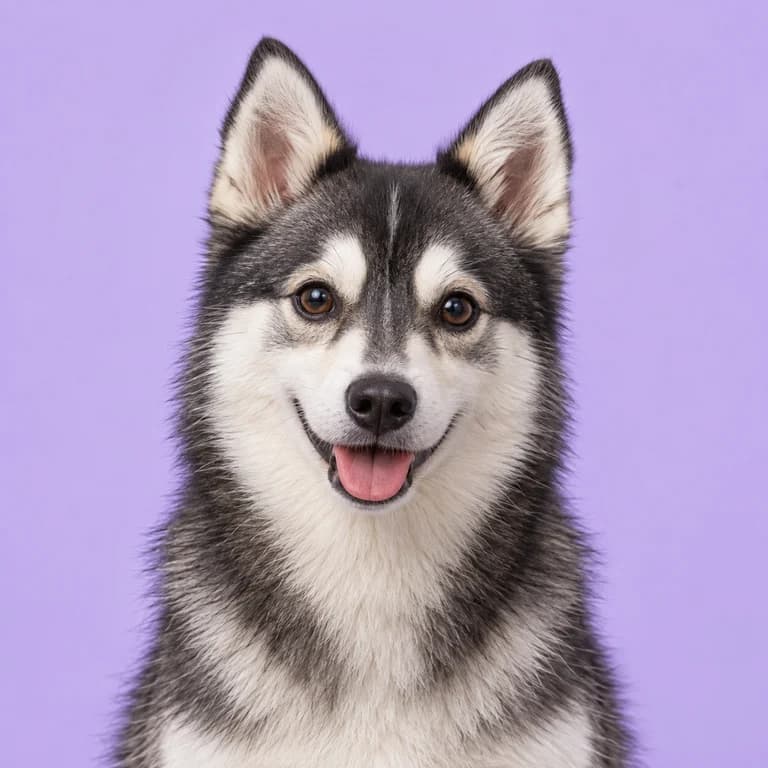
Original AI-generated breed illustration
Weight
4 to 10 kg
9 to 22 lb
Height
28 to 43 cm
at the shoulder
Life expectancy
13 to 16 yrs
Activity estimate
90 to 120 min
editorial daily planning range
Adult-size estimate
12 months
approximate model input
Life with a Alaskan Klee Kai
Small is the point of the Klee Kai. Its founder, Linda Spurlin, set out to create a dog with the look of an Alaskan or Siberian Husky in a size that suited homes where a 25 kg sled dog would not. The result weighs roughly 4 to 10 kg, comes in three recognized sizes and carries the mask, erect ears and curled tail of a northern breed.
Spurlin developed the breed over about two decades using Alaskan Husky and Siberian Husky lines, with Schipperke and American Eskimo Dog added to reduce size without introducing dwarfism. She kept the program private until 1988, and the breed was later recognized by the United Kennel Club. Numbers remain modest, and breeders often have waiting lists.
Temperament is where people are most often surprised. Klee Kai are affectionate and playful with their family, but many are reserved or nervous with strangers, which is almost the opposite of the typical Siberian Husky. That makes early socialization vital. They are also alert, vocal and energetic, with a strong prey drive toward small animals.
Their size makes them practical for apartments and travel, but they are not lapdogs. They need exercise and mental work, and many are skilled escape artists that can climb, dig or squeeze through surprisingly small gaps.
What stands out
Puppy growth
Klee Kai puppies grow quickly and reach adult height by about 8 to 10 months, filling out until around 12 months. Because the breed comes in three sizes, predicting final size is tricky; parent size is the best guide, and some puppies end up in a different size category from their parents.
Read the full puppy growth guideIllustrative model, not observed breed data or a healthy-weight standard. Use actual measurements and veterinary advice to assess growth.
A great match for
- active owners in smaller homes
- cool climates
- adults or families with calm, older children
- people who enjoy training and dog sports
Think twice if
- wariness or fear of strangers without extensive socialization
- heavy seasonal shedding
- vocal howling and talking
- strong prey drive toward small pets
- escape artist that climbs and digs
Personality and needs at a glance
Living together
Good with children
Good with other dogs
Open with strangers
Apartment friendly
Copes with alone time
Energy and character
Energy level
Playfulness
Easy to train
Barking
5 means very vocal
Care and climate
Grooming needs
Shedding
Drooling
Handles cold
Handles heat
How much an Alaskan Klee Kai eats
Illustrative calculations for neutered adults at midpoint breed weights, with food at 370 kcal per 100 g and 100 g per cup. These are not measured breed requirements. Use actual weight, the food label and veterinary body-condition advice.
| Dog | Weight | Calories | Dry food |
|---|---|---|---|
| Female, relaxed lifestyle | 7 kg | 400 kcal | 110 g (1 cups) |
| Female, typical pet | 7 kg | 460 kcal | 125 g (1.3 cups) |
| Male, typical pet | 8 kg | 510 kcal | 135 g (1.3 cups) |
| Male, very active | 8 kg | 630 kcal | 170 g (1.8 cups) |
Care guides for the Alaskan Klee Kai
Things owners are often surprised by
- 1Developed by Linda Spurlin in Wasilla, Alaska, starting in the 1970s, after she is said to have seen an unusually small husky-type dog
- 2Three sizes: toy up to 33 cm (13 in), miniature 33 to 38 cm (13 to 15 in) and standard 38 to 43 cm (15 to 17 in)
- 3Klee Kai is often translated as small dog in an Inuit language
- 4Recognized by the United Kennel Club in 1997; not every major kennel club recognizes the breed
- 5A contrasting facial mask is required in the breed standard and is one of its defining features
Alaskan Klee Kai questions
Is an Alaskan Klee Kai just a miniature Husky?
No. While it looks like a small husky, the Klee Kai is a distinct breed developed with Alaskan and Siberian Husky, Schipperke and American Eskimo Dog lines. Its temperament also differs: Klee Kai are much more wary of strangers and more attached to their families than the typical outgoing Siberian Husky.
Are Alaskan Klee Kai good apartment dogs?
They can be, thanks to their small size and adaptability, but they are energetic and vocal. Daily exercise, mental stimulation and training to limit howling are essential. Thin walls and a howling Klee Kai can cause problems with neighbors, so work on alone time and a quiet cue early.
Why is my Alaskan Klee Kai scared of strangers?
Wariness of strangers is a breed trait. Many Klee Kai are shy or reserved with new people, even with good socialization. Help your dog by letting it approach at its own pace, asking visitors to ignore it and toss treats, and avoiding forced interactions. Extensive, positive socialization from puppyhood makes a big difference.
Do Alaskan Klee Kai shed a lot?
Yes, more than their size suggests. They shed moderately all year and heavily twice a year when the undercoat blows, usually for two to three weeks each time. During a blow, daily brushing with an undercoat rake keeps the hair under control, and a lint roller by the door helps too. If you want a small dog that barely sheds, this is not the breed.
How big do Alaskan Klee Kai get?
It depends on the size variety. Toys stand up to 33 cm (13 in), miniatures 33 to 38 cm (13 to 15 in) and standards 38 to 43 cm (15 to 17 in). Weights range from about 4 to 10 kg (9 to 22 lb). Dogs over 43 cm are considered oversized under the breed standard.
Popular answers for owners
- Exercise and playHow do I use a wobble board or balance exercises for my dog's core strength?
- Exercise and playHow much exercise does an adult dog need each day?
- Puppy feeding and growthHow much should a Chihuahua puppy eat at 8 weeks?
- Puppy feeding and growthHow much should a 7 week old puppy eat?
- How much to feedHow do I weigh my dog accurately at home?
- Grooming and coatHow do I care for a Cocker Spaniel's leg feathering?
Breeds you might compare
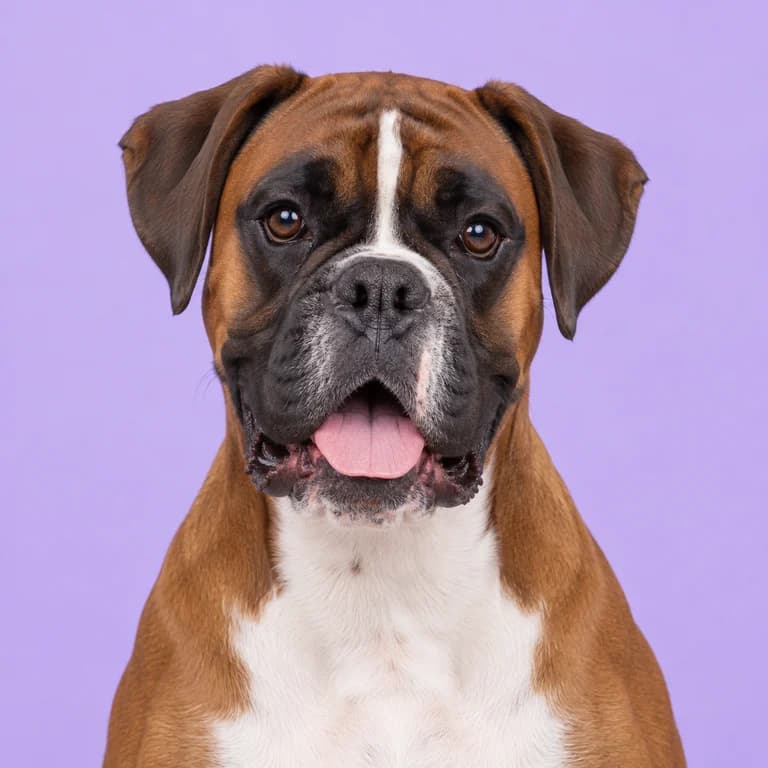
Working group
Boxer
25 to 36 kg · 10 to 12 years
A square, springy German guard dog that treats every morning like the start of a party.
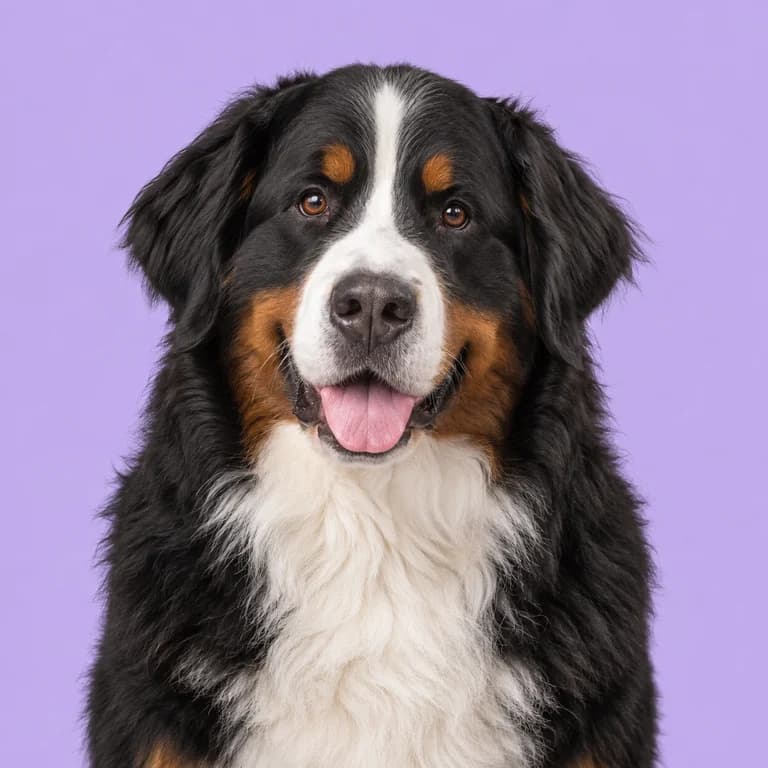
Working group
Bernese Mountain Dog
34 to 50 kg · 7 to 10 years
A gentle Swiss farm dog with a huge heart and a short average life that owners should understand before they fall in love.
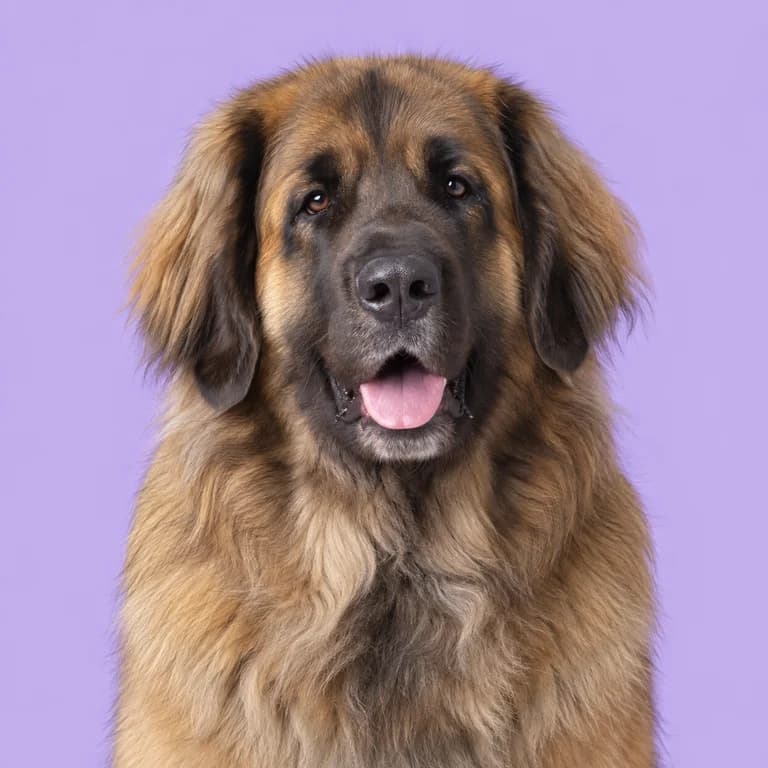
Working group
Leonberger
41 to 77 kg · 7 to 9 years
Named for a lion and built like a bear, the Leonberger fills any room, then settles quietly into it.
Hound group
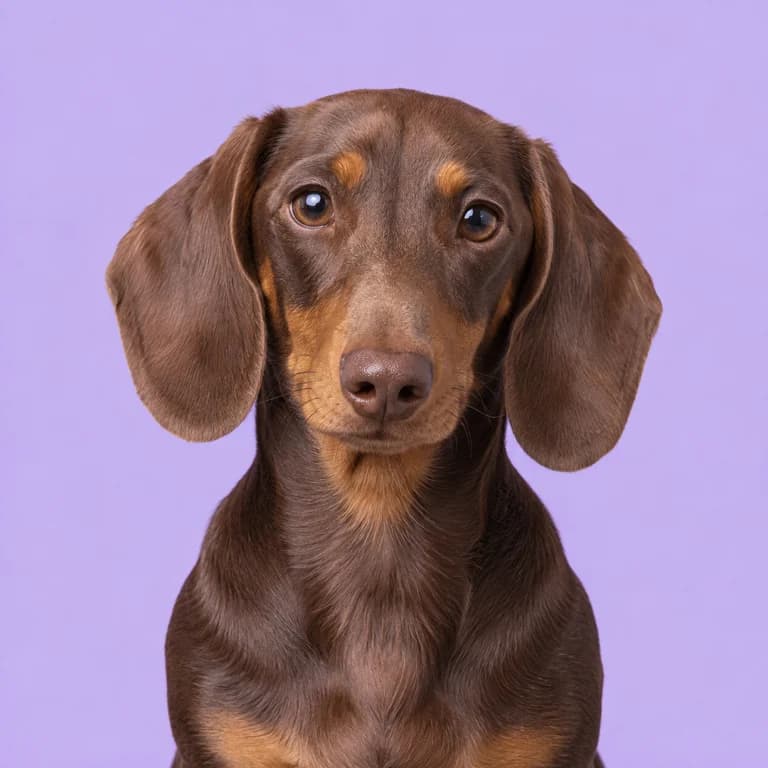
Dachshund
7 to 13 kg · 12 to 16 years
A badger hunter shrunk to lap size, with a long spine that shapes almost every care decision you make.
Non-sporting group
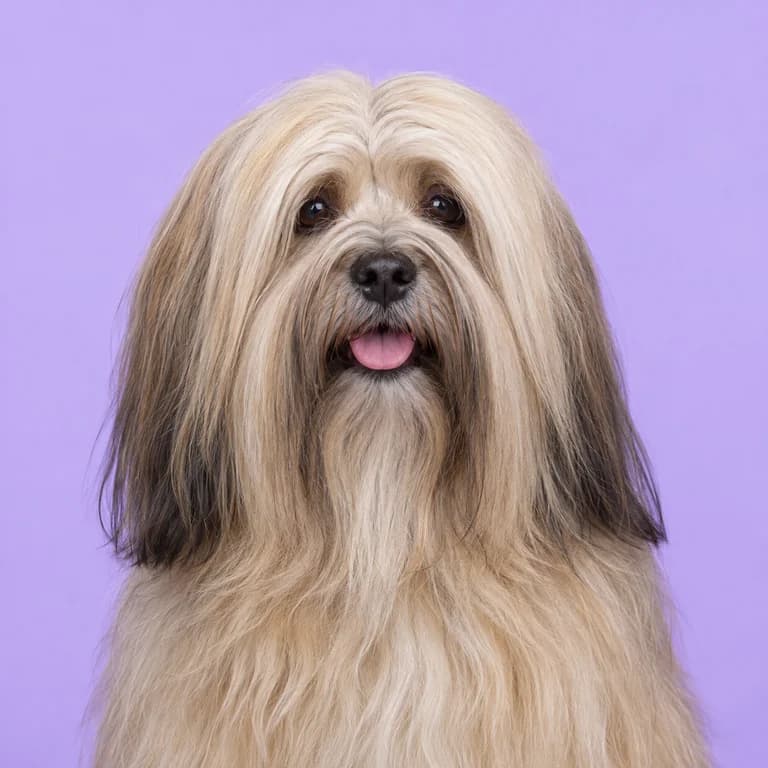
Lhasa Apso
5 to 8 kg · 12 to 16 years
A small Tibetan sentinel with a floor-length coat and a surprisingly serious sense of its own importance.
Non-sporting group
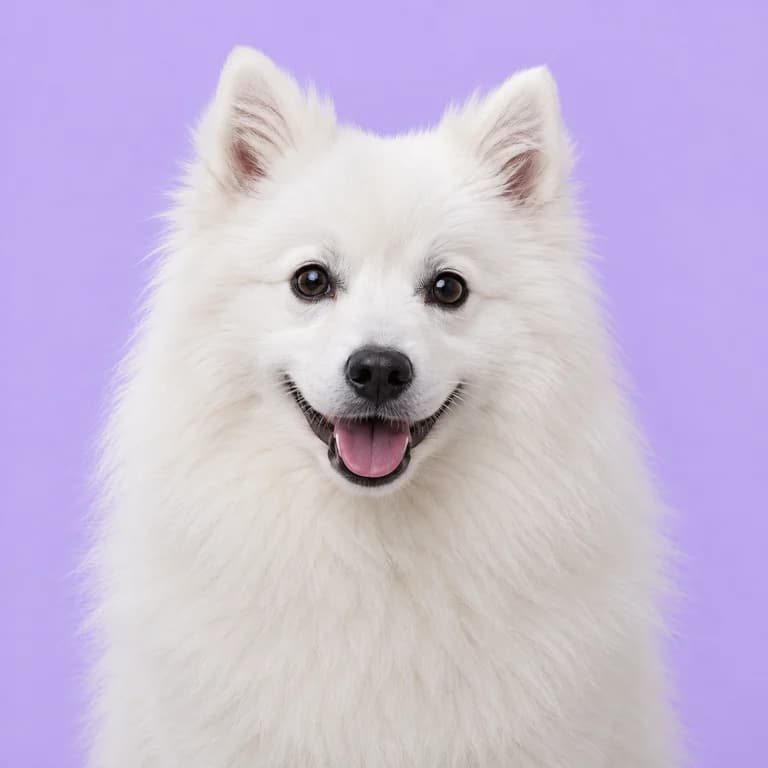
Japanese Spitz
5 to 10 kg · 12 to 16 years
A snow-white spitz with a cheerful, people-centered nature and a coat that sheds dirt better than you would expect.