Sources for this article
Hound group · Russia
Borzoi
Also called Russian Wolfhound, Russkaya Psovaya Borzaya
An aristocratic Russian sighthound once used to course wolves, now a quiet, graceful couch companion with a sprinter's heart.
Tall, silky and built for speed, the Borzoi was developed by the Russian nobility to hunt wolves, foxes and hares across open country. Calm and dignified at home, it can reach remarkable speed outdoors and has a strong chase instinct that shapes how it must be exercised and managed.
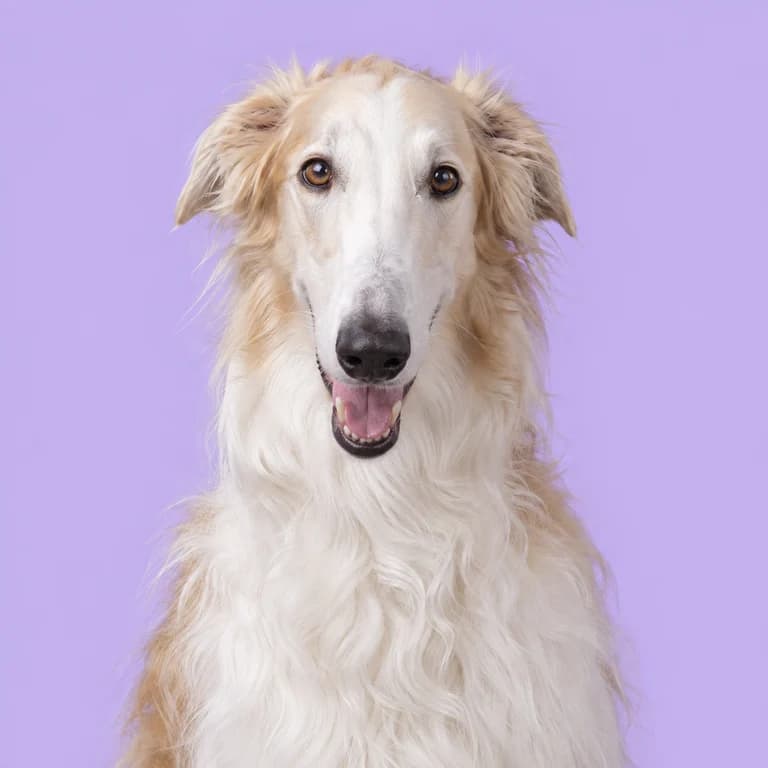
Original AI-generated breed illustration
Weight
27 to 48 kg
59 to 106 lb
Height
68 to 85 cm
at the shoulder
Life expectancy
10 to 12 yrs
Activity estimate
60 to 90 min
editorial daily planning range
Adult-size estimate
24 months
approximate model input
Life with a Borzoi
The Borzoi's story is tied to the Russian aristocracy. For several centuries, nobles staged great hunts across the steppe, releasing pairs or trios of these hounds once scent hounds had driven a wolf into the open. The sighthounds were expected to catch and hold the wolf until the mounted hunters arrived. The most celebrated kennel belonged to Grand Duke Nikolai Nikolaevich at Perchino, where breeding is said to have been meticulously recorded.
After the Russian Revolution of 1917, many of those kennels vanished, and the breed's survival owes a great deal to dogs already exported to Britain, Western Europe and North America. The name comes from borzyi, meaning swift, and English-speaking kennel clubs used the name Russian Wolfhound until the 1930s.
Today's Borzoi is gentle, quiet and dignified. It spends much of the day draped elegantly over the largest sofa available and is affectionate on its own terms rather than clingy. Many are reserved with strangers and dislike rough handling, which makes them a better match for calm, older children than for boisterous toddlers.
The hunting brain is still very much there. Anything small and fast can trigger a chase at speeds far beyond what any recall can override, which means secure fencing and careful off-lead choices for the dog's whole life.
A great match for
- calm households without small pets
- owners with access to a securely fenced area
- people interested in lure coursing
- adults or families with older children
Think twice if
- strong chase instinct and poor recall
- needs secure fencing for life
- bloat risk and sensitivity to some anesthetics
- independent and hard to motivate in training
Personality and needs at a glance
Living together
Good with children
Good with other dogs
Open with strangers
Apartment friendly
Copes with alone time
Energy and character
Energy level
Playfulness
Easy to train
Barking
5 means very vocal
Care and climate
Grooming needs
Shedding
Drooling
Handles cold
Handles heat
How much a Borzoi eats
Illustrative calculations for neutered adults at midpoint breed weights, with food at 370 kcal per 100 g and 100 g per cup. These are not measured breed requirements. Use actual weight, the food label and veterinary body-condition advice.
| Dog | Weight | Calories | Dry food |
|---|---|---|---|
| Female, relaxed lifestyle | 33 kg | 1350 kcal | 365 g (3.8 cups) |
| Female, typical pet | 33 kg | 1540 kcal | 415 g (4.3 cups) |
| Male, typical pet | 41 kg | 1810 kcal | 490 g (5 cups) |
| Male, very active | 41 kg | 2270 kcal | 615 g (6.3 cups) |
Care guides for the Borzoi
Things owners are often surprised by
- 1The name comes from the Russian word borzyi, meaning swift
- 2Called the Russian Wolfhound in English-speaking countries until the 1930s
- 3Top sprinting speeds are often said to approach 55 km/h (35 mph)
- 4Grand hunts at estates such as Perchino are said to have involved over 100 hounds
- 5Rarely barks and is often described as cat-like at home
Borzoi questions
Are Borzoi good apartment dogs?
Surprisingly often, yes. Adults are quiet, rarely bark and spend much of the day resting. The catch is room for such a tall dog to stretch out, and access to a safe area for sprinting several times a week. A Borzoi in an apartment needs an owner committed to providing real outlets outside.
Can Borzoi be trusted off lead?
Only in secure, fully fenced areas. The chase instinct is strong and fast-moving animals trigger it instantly. At top speed, a Borzoi covers ground far too quickly to respond to a recall, and road accidents are a real risk. Fenced fields, lure coursing clubs and long lines are the safe options.
Do Borzoi get along with cats?
Plenty of Borzois share a home happily with a cat they grew up alongside and treat it as family. That same dog may still chase unfamiliar cats or small animals outdoors. Introductions should be slow and closely supervised, and an adult Borzoi with no history of living with cats is a risky match.
Why is the Borzoi called the Russian Wolfhound?
Because Russian nobles used it to hunt wolves, often slipping two or three hounds together to catch and hold the quarry. English-speaking countries used the name Russian Wolfhound until the 1930s, when kennel clubs switched to Borzoi, from the Russian word for swift.
How fast can a Borzoi run?
Borzoi rank among the fastest dog breeds, with top speeds often said to approach 55 km/h (35 mph) over short distances. They accelerate rapidly and are built for sprinting rather than endurance, which is why short bursts in a safe area suit them better than long jogs beside a runner.
Popular answers for owners
- How much to feedHow much should I feed a 22kg dog?
- How much to feedHow much should I feed a 60kg dog?
- Puppy feeding and growthWhat are growth spurts in puppies and when do they happen?
- Grooming and coatWhat brush should I use for a double coat?
- Bowls and feeding gearCan plastic bowls cause chin acne in dogs?
- How much to feedHow much should I feed a medium sized dog?
Breeds you might compare
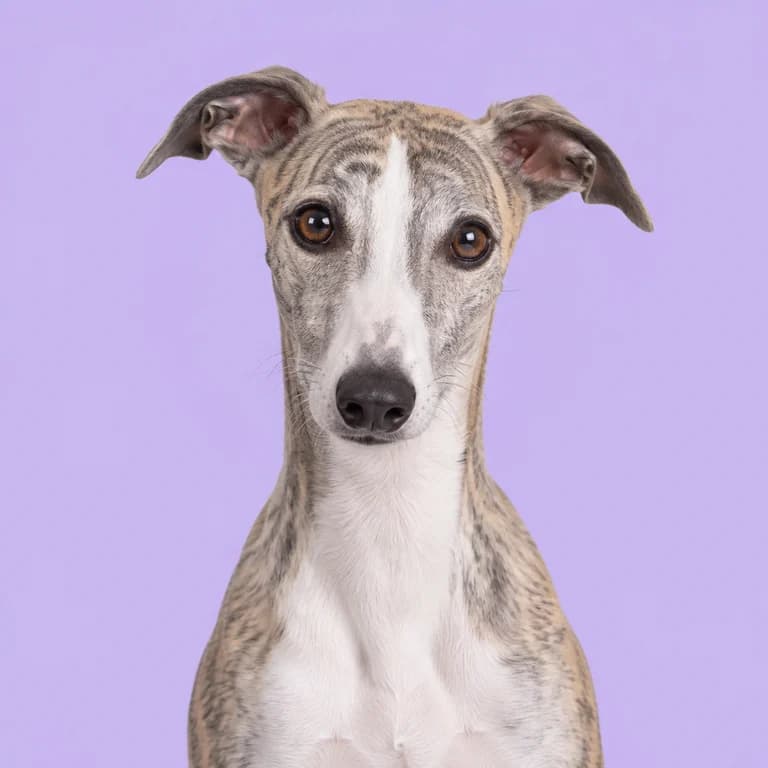
Hound group
Whippet
9 to 16 kg · 12 to 15 years
Built for 55 km/h sprints, yet happiest curled under a blanket for most of the day.
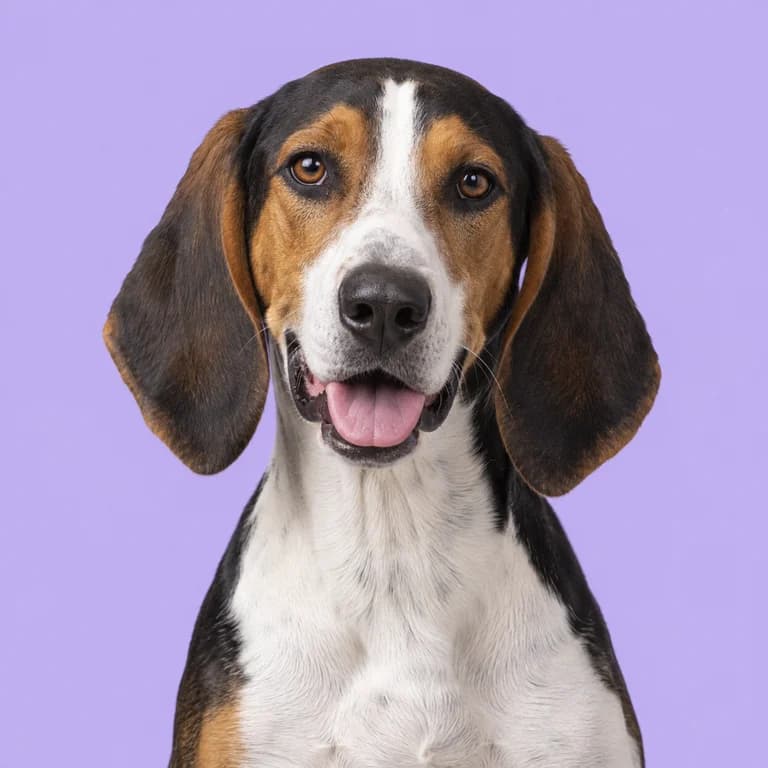
Hound group
Treeing Walker Coonhound
22 to 32 kg · 12 to 13 years
An American night-hunting hound with huge stamina, a voice that carries for miles and a friendly nature.
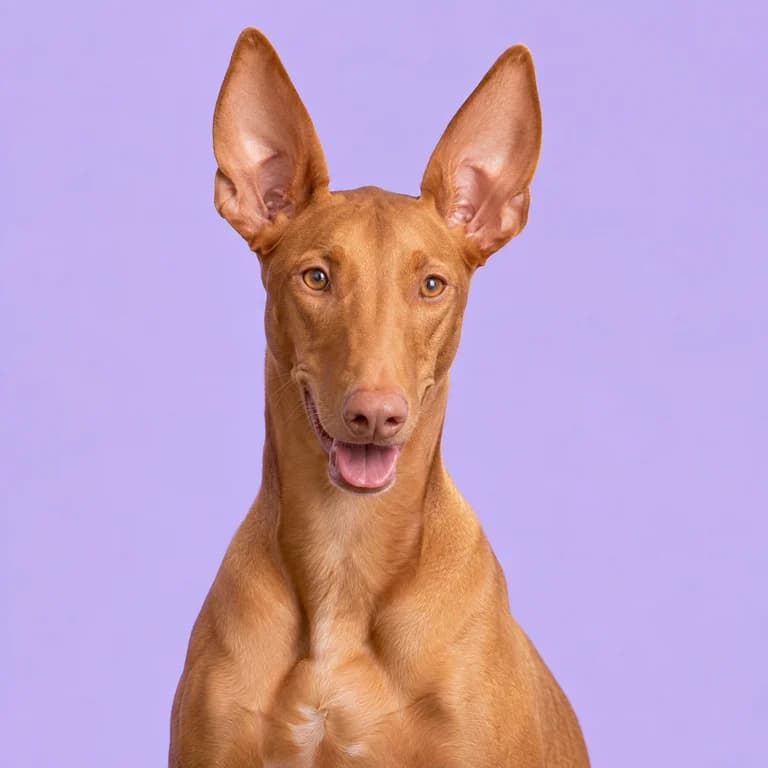
Hound group
Pharaoh Hound
18 to 25 kg · 12 to 14 years
Malta's national dog, a night-hunting rabbit hound whose ears and nose flush pink when it is happy.
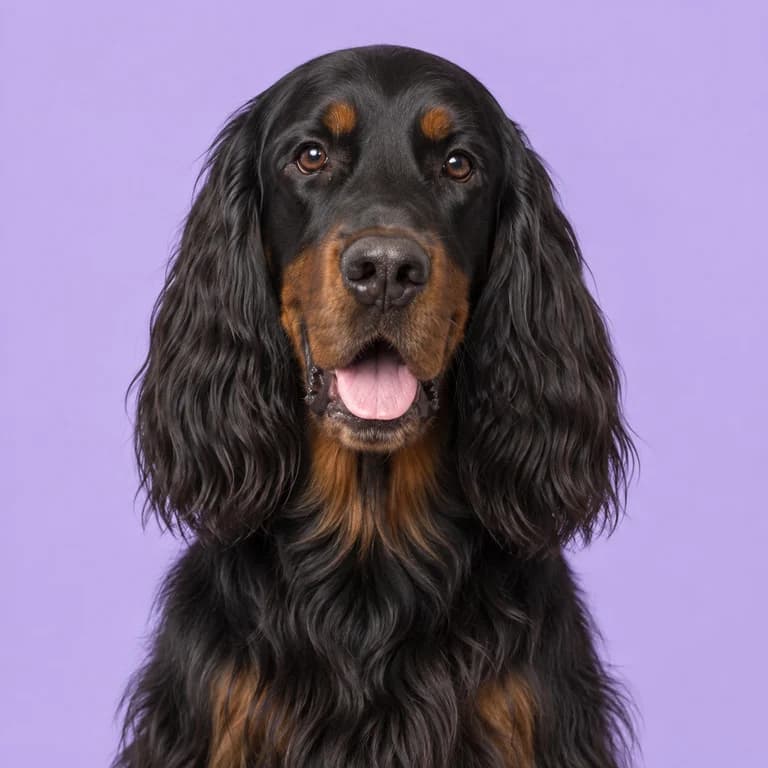
Sporting group
Gordon Setter
20 to 36 kg · 10 to 12 years
The heaviest and most thoughtful of the setters, shaped by a Scottish duke for long days on grouse moors.
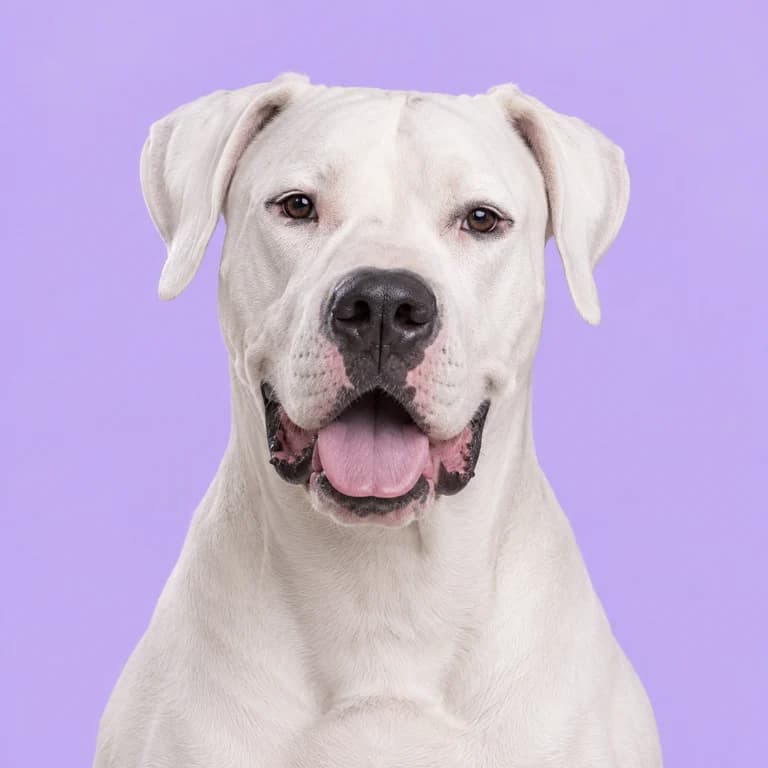
Working group
Dogo Argentino
35 to 45 kg · 10 to 12 years
A white Argentine hunting dog designed by two brothers to face boar and puma, now a devoted but demanding companion.
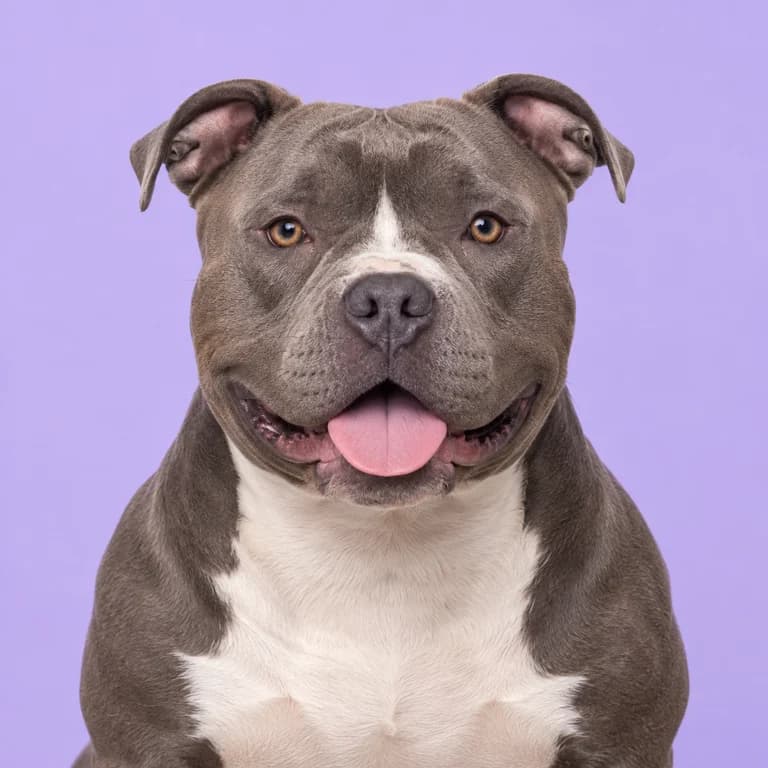
Non-sporting group
American Bully
20 to 36 kg · 10 to 12 years
A muscular American companion breed whose friendly nature is best served by moderate build and careful breeding choices.